2026 is well underway, and we’re already halfway through January. The holidays sped right by, didn’t they? I sincerely hope your Christmas and New Year were filled with joy, rest, and sweet memories.
And just like that—we’re right back to business. So let me ask you… are you back to “normal,” or are you working toward creating a new normal this year?
The good news? You don’t need to complicate setting new goals—or re-setting goals you didn’t quite reach. Sustainable wellness is built through simple, consistent habits.
Here are my top tips for setting wellness goals you can actually stick to—and reach!
1. Keep It Simple
Don’t overwhelm yourself by trying to change everything at once.
A. Pick ONE focus area Nutrition, exercise, or sleep—just one. A full lifestyle transformation can happen over time, but attempting to change everything all at once often leads to burnout. Start small and build.
B. Set a reasonable goal and timeline You know yourself best. Choose goals that are realistic and attainable. Small wins add up to lasting change.
C. Celebrate every victory The scale is only one measurement tool. Better sleep, more energy, improved mood, clothes fitting better—those all count. Every win matters!
2. Avoid the Diet Trap
Yes, clean up your nutrition—but it doesn’t need to be complicated or exhausting.
• Prioritize lean protein • Include complex carbohydrates (fiber & whole grains) • Add healthy fats (avocado, eggs, feta, nuts) • Plan your meals ahead of time and shop only for what you’ve planned
Simple structure beats extreme restriction every time.
3. Exercise Is Essential—And It Can Be Fun!
You do not need to spend an hour on the treadmill. In fact, you shouldn’t.
Cardio is important, but so is resistance training.
A. Find something you enjoy Try a fitness class, boot camp, yoga class, or local gym offering. Just start somewhere.
B. Build or join a workout community Accountability and encouragement go a long way.
C. Consider a personal trainer Learning proper form prevents injury, maximizes results, builds confidence, and creates accountability.
You already have everything you need to succeed—you just need to believe in yourself. I truly hope these tips help you start (or restart) your wellness journey with confidence.
If you feel unsure where to begin, need help creating a plan, or want accountability, I’m here for you. 📧 Email me at Fitteachermom@aol.com or through the Contact me tab on this site to get started.
The Christmas season always brings a beautiful mix of busy-ness, joy, and—of course—FOOD. But hear me on this: this is not the time to shove your goals onto the back burner or throw in the towel.
You can stay on track. You can maintain consistency. You can protect your health and still enjoy the season. And yes—you can do it while checking off that never-ending holiday to-do list.
With a little intention, a little balance, and a whole lot of grace, this can be a season where you feel strong, steady, and proud of how you showed up for yourself.
Here’s a Holiday Nutrition Strategy designed to help you stay energized, maintain muscle mass, and enjoy the season — while focusing on high protein, moderate complex carbs, and low healthy fats.
🎯 Overall Goal
Support muscle maintenance and hormone balance while navigating holiday meals and treats — staying nourished, not deprived.
🧠 1. Daily Macronutrient Targets (Guidelines)
These can be adjusted for your weight, goals, and training schedule, but a good starting ratio is:
Protein: 35–40%
Complex Carbohydrates: 35–40%
Healthy Fats: 20–25%
If you prefer to track by grams:
Protein: 1.0–1.2g per pound of bodyweight
Carbs: 1.0–1.5g per pound of bodyweight
Fats: 0.3–0.4g per pound of bodyweight
🍳 2. Meal Framework
Breakfast (High Protein Start)
Scrambled egg whites + 1–2 whole eggs
Oatmeal or cream of rice topped with cinnamon and berries
Optional: a small scoop of whey isolate mixed in oats for extra protein
Goal: 25–35g protein, 25–30g carbs, 5–10g fat
Mid-Morning Snack
Greek yogurt (plain, nonfat) + a few almonds or chia seeds
or Protein shake with a small banana
Goal: 20–30g protein, 20–25g carbs, 5g fat
Lunch (Balanced & Satisfying)
4–6 oz lean protein (chicken breast, turkey, fish, lean beef)
½–1 cup brown rice, quinoa, or sweet potato
Large serving of non-starchy veggies (broccoli, spinach, asparagus)
Goal: 30–40g protein, 30–40g carbs, 8–10g fat
Afternoon Snack (Holiday Energy Boost)
Protein shake or bar (choose one with <7g fat and <10g sugar)
or Cottage cheese + sliced fruit
Goal: 20–30g protein, 15–25g carbs, 3–5g fat
Dinner (Holiday Meal Smart Plate)
5–6 oz lean protein (turkey, salmon, lean beef)
½–1 cup complex carbs (roasted veggies, sweet potatoes, or a small serving of stuffing made with whole-grain bread)
Green beans, salad, or brussels sprouts
Limit creamy sauces, but enjoy a small drizzle of olive oil or a spoonful of gravy mindfully
Goal: 30–40g protein, 25–35g carbs, 10g fat
Evening (Optional)
Casein shake or small protein-rich snack (Greek yogurt, cottage cheese) if hungry
Herbal tea or warm cinnamon protein drink for dessert
Goal: 20–25g protein, low carb/fat
🧩 3. Holiday Strategy Tips
✅ Before Events
Eat a protein-rich mini-meal (e.g., shake + fruit) before you go. It helps control hunger and cravings.
Stay hydrated; dehydration often feels like hunger.
🍽️ During Holiday Meals
Start with protein and veggies first — they help stabilize blood sugar.
Choose one carb-based “treat” you really enjoy instead of sampling everything.
Use a smaller plate or fill half your plate with veggies and lean meat.
🌙 After Events
Resume normal eating the next day — don’t restrict or skip meals.
Add an extra walk or light workout to aid digestion and metabolism.
💪 4. Training-Day Adjustments
Add a bit more complex carbs (extra ½ cup oats or rice) pre- and post-workout.
Keep fats even lower around workouts to aid digestion and performance.
🌿 5. Healthy Low-Fat Fat Sources
Even though fats are lower here, quality matters:
Avocado (1–2 tbsp servings)
Olive oil or avocado oil (for cooking)
Fatty fish (salmon, trout) a few times per week
Nuts and seeds — small, measured portions
There IS a way to maintain a healthy balance this holiday season, and you can most certainly accomplish this!!! FTM Wellness wishes you all the Christmas joy!!
There are far more reasons to move your body daily than to avoid it! Whether your goal is to boost overall health, balance hormones, improve mental clarity, combat the effects of aging, or enhance your body composition, exercise is a fundamental key. Impact-Site-Verification: ddcb1beb-0e89-4187-805f-e86fd7e7d952
Numerous studies have shown that individuals who engage in regular physical activity—particularly 150 minutes per week of resistance training—experience significant improvements in health markers and a dramatic reduction in age-related complications.
Consistent movement isn’t just a habit; it’s a powerful investment in your long-term vitality.
Let’s break this down just a bit. . . an all purpose, working definition of exercise is:
Exercise – Engaging in regular, purposeful movement to build strength, improve endurance, and enhance mood.
Buckle up; here we go!
Physical exercise offers significant benefits for hormone balance and healthy aging. Here’s a breakdown of the key advantages:
1. Hormone Balance
a. Insulin Sensitivity
Exercise improves insulin sensitivity, helping the body regulate blood sugar more efficiently.
This reduces the risk of type 2 diabetes and metabolic syndrome.
b. Cortisol Regulation
Regular moderate exercise helps reduce chronic stress and stabilizes cortisol levels, the body’s primary stress hormone.
Too much cortisol can lead to fat gain, muscle loss, and impaired immune function.
c. Growth Hormone & Testosterone
Resistance training and high-intensity workouts boost growth hormone and testosterone levels, both of which decline with age.
These hormones support muscle mass, bone density, and metabolism.
d. Estrogen and Progesterone
In women, exercise may help balance estrogen and progesterone, reducing symptoms of PMS and perimenopause.
It may also lower the risk of hormone-sensitive cancers like breast cancer.
e. Endorphins and Serotonin
Physical activity increases endorphins and serotonin, enhancing mood, reducing depression and anxiety, and improving sleep.
2. Healthy Aging
a. Muscle Mass and Strength
Exercise, especially strength training, helps prevent sarcopenia (age-related muscle loss), maintaining mobility and independence.
b. Bone Health
Weight-bearing exercises increase bone density, reducing the risk of osteoporosis and fractures.
c. Brain Health
Physical activity enhances cognitive function, reduces the risk of dementia, and promotes neuroplasticity (the brain’s ability to adapt and grow).
Moderate, consistent exercise boosts the immune system, reducing inflammation and increasing resilience against infections.
f. Longevity
Regular exercisers typically enjoy longer lifespans and better quality of life, with fewer chronic diseases.
There are so many wonderful ways to incorporate exercise into your daily routine! In our area alone, we’re blessed with a variety of options—everything from large commercial gyms to smaller, privately-owned fitness centers. Whether you’re into group classes, free weights, machines, or cardio equipment like bikes, ellipticals, stair steppers, and treadmills, there’s something for everyone. Plus, many of these spaces offer built-in community and accountability—which can make all the difference!
Beyond traditional gyms, you’ll find yoga studios, boutique fitness centers, and independent personal trainers offering private sessions and specialized classes.
And don’t forget—FTM Wellness (that’s me!) is here for you, too! I offer personal training (both online and in-person), energizing boot camps, and rejuvenating yoga classes. I would love to chat about your goals and any obstacles you might be facing so we can find a sustainable, healthy solution that fits you. Message me through the “Contact Me” link here, or email me at: Fitteachermom@aol.com
Clean, nutritionally balanced meals should be the foundation of any sustainable lifestyle change. To restore optimal health, rebalance hormones, and improve body composition, it’s essential to fuel the body with high-quality macronutrients while eliminating overly processed, sugary foods.
Our bodies require both macronutrients—such as lean proteins, complex carbohydrates, and healthy fats—and micronutrients like vitamins and minerals to function at their best. Clean, balanced nutrition provides the essential building blocks for muscle development, sustained energy, cellular repair, and hormone regulation. When nutrition is lacking, the body often signals distress through a wide range of symptoms, from mild and nagging to more serious health concerns. The first and most impactful step toward improving any health issue is to evaluate and enhance our daily lifestyle choices—starting with nutrition.
Far too often, people who want to improve their health focus almost exclusively on losing body fat. This can lead to chasing “quick fixes” or falling into the trap of fad diets, without taking time to understand their real obstacles or long-term goals. The truth is, sustainable lifestyle change doesn’t happen overnight. Real, lasting improvements in health, energy, and even hormonal balance require commitment — not gimmicks. But here’s the good news: creating healthy, balanced meals and developing mindful eating habits isn’t nearly as hard as it seems. It’s not the change itself that’s so difficult — it’s getting comfortable with the idea of change. Once you start, momentum builds, and transformation follows.
Let’s start with the health and fitness benefits in lean sources of protein. They play a key role in a healthy diet. They supply essential amino acids and vital micronutrients with relatively low saturated fat. Major nutrition guidelines emphasize lean protein sources as part of a balanced, heart-healthy diet (heart.org.) Research shows that choosing lean proteins can enhance muscle building, promote fullness for weight control, improve blood lipids, aid blood sugar management, and boost overall diet quality.
* Muscle growth and repair: Lean proteins provide the building blocks (amino acids) needed to rebuild and grow muscle after exercise (mcpress.mayoclinic.org.) Resistance exercise combined with protein intake maximizes muscle protein synthesis (MPS) and repair (jissn.biomedcentral.com).
* Weight management & satiety: High-protein diets, especially those built around lean protein, enhance fullness and help control appetite (pmc.ncbi.nlm.nih.gov}. Protein-rich meals stimulate satiety hormones and have a higher thermic effect (calorie burn during digestion) compared to fat or carbs (pmc.ncbi.nlm.nih.gov).
* Heart health & cholesterol: Choosing lean proteins helps reduce intake of saturated fat and cholesterol, benefiting cardiovascular health. The American Heart Association notes that eating fish regularly (about 2 servings/week) is linked to lower cardiovascular risk, and it explicitly recommends lean or unprocessed meats and low-fat dairy in a heart-healthy eating plan (heart.orgheart.org). Plant-based proteins also aid heart health: beans, lentils and other legumes are cholesterol-free and rich in soluble fiber.
* Metabolic health & blood sugar: Lean proteins have a minimal direct impact on blood glucose levels and can improve metabolic health. Protein digestion requires insulin but does not spike blood sugar the way carbohydrates do. In fact, higher-protein diets have been linked to modest improvements in insulin sensitivity and glucose metabolism. In practical terms, including lean protein helps slow the absorption of carbohydrate foods and stabilize post-meal blood sugar. Nutrients in lean proteins also support metabolism – for example, fish and nuts supply magnesium and omega-3s that help control blood sugar and inflammation. Thus, incorporating lean protein at meals (along with fiber-rich vegetables or whole grains) is a strategy for better blood sugar control and metabolic health (pubmed.ncbi.nlm.nih.gov).
* Nutritional density & diet quality: Lean protein foods are nutrient-dense – they pack many essential nutrients per calorie. Meats, fish, legumes and dairy provide not only protein but also vitamins and minerals that are often underconsumed. Studies note that protein-containing whole foods have a high ratio of micronutrients to energy (pmc.ncbi.nlm.nih.gov). .. Conversely, choosing lean proteins in place of calorie-rich, nutrient-poor foods helps avoid “empty” calories from added fats and sugars. Dietary Guidelines highlight lean protein foods (such as skinless poultry, fish, lean meats, beans and low-fat dairy) as part of a healthy eating pattern to help meet nutrient needs without excess saturated fat or (.orgpmc.ncbi.nlm.nih.gov.)
You can see why lean protein is so important! Earlier “fad” diets were mentioned. I know many people, desperate to lose excess body fat, turned to the Keto diet. Carbohydrates are not the enemy, but the quality of the carbohydrates we consume makes all the difference. Let’s dive deeper into why the right kind of carbs — complex, unprocessed ones — are essential for optimal health and fat loss, and why the wrong kind can derail progress.
1. Carbs Fuel Our Brain and Body
Glucose, derived from carbs, is the brain’s primary fuel source.
Muscles also rely on glycogen (stored glucose) during exercise, especially moderate to intense activity.
Without sufficient carbs, people often feel foggy, tired, or irritable — common in extreme low-carb diets.
2. Complex Carbs Promote Fat Loss
Unlike refined carbs that spike insulin and trigger fat storage, complex carbs digest slowly, supporting better blood sugar control and reduced cravings.
The fiber in whole grains, vegetables, and legumes adds bulk, helping us feel fuller longer — reducing overeating.
3. Hormonal Balance and Metabolic Health
Healthy carbohydrate intake regulates insulin — a hormone crucial not just for blood sugar control but also for fat metabolism.
Very low-carb diets (like keto) can disrupt thyroid function and leptin levels, which are important for metabolic rate and hunger signaling.
4. Digestive Health and Detoxification
Complex carbs are rich in soluble and insoluble fiber, which:
Promotes regular elimination
Feeds beneficial gut bacteria (prebiotic effect)
Supports the body’s natural detox systems via liver and colon function
5. Nutrient Density
Whole, complex carbs come packed with essential nutrients:
B vitamins for energy production
Magnesium for muscle and nerve function
Iron and zinc for oxygen transport and immunity
The Problem with Processed Carbs ~ These are the foods that have earned “carbs” a bad reputation — not the nutrient-rich, slow-burning sources our bodies actually thrive on.
Whole-grain bread or pasta rather than white versions
Not convinced about getting those carbs in yet? Here is a little more information for you:
Benefits of Complex Carbohydrates
Sustained Energy Release
Complex carbs (like whole grains, legumes, vegetables) digest slowly, providing a steady source of energy and preventing blood sugar spikes and crashes.
Ideal for endurance and consistent physical performance.
Improved Digestive Health
Rich in dietary fiber, which promotes regular bowel movements, supports gut microbiota, and helps prevent constipation.
Enhanced Satiety and Weight Management
Fiber increases fullness, reducing overall calorie intake and aiding in weight control or fat loss.
Better Blood Sugar Control
Helps stabilize blood glucose levels, reducing the risk of type 2 diabetes and insulin resistance.
Nutrient-Rich
Often contain essential vitamins and minerals (e.g., B vitamins, magnesium, iron) important for energy metabolism and overall health.
Improved Heart Health
Fiber helps lower LDL (bad) cholesterol, reducing the risk of heart disease.
Support for Muscle Recovery and Growth
Replenishes glycogen stores post-exercise, supporting muscle recovery when paired with protein.
Fitness-Specific Impacts
Before Exercise: Provide long-lasting fuel, especially useful for long-duration or high-intensity workouts.
After Exercise: Aid in glycogen replenishment, especially when combined with protein.
For Athletes: Improve endurance and reduce fatigue over prolonged periods.
And now, it’s time to talk about healthy fats. After so many years of trying to avoid fatty foods and being focused on losing body fat, the phrase “healthy fats” sounds contradictory. You’re absolutely right — the idea of healthy fats can feel counterintuitive, especially after decades of “low-fat” diet trends. But not all fats are created equal. Healthy fats, like those found in avocados, nuts, seeds, olive oil, and fatty fish (like salmon), are essential for your body’s overall function. They help with:
Brain health (your brain is nearly 60% fat)
Hormone production
Nutrient absorption (like vitamins A, D, E, and K)
Heart health (certain fats can lower bad cholesterol)
The key is choosing the right types of fat — primarily monounsaturated and polyunsaturated fats, while limiting trans fats and excessive saturated fats.
Here are the reasons why:
1. Supports Heart Health
Monounsaturated and polyunsaturated fats can help reduce LDL (bad) cholesterol and increase HDL (good) cholesterol.
Omega-3 fatty acids (found in fatty fish like salmon and flaxseeds) reduce inflammation and lower the risk of heart disease.
2. Boosts Brain Function
Your brain needs fat to function properly. Omega-3s in particular are linked to improved memory, focus, and mood regulation.
Deficiency in healthy fats can lead to mental fatigue and mood swings.
3. Enhances Nutrient Absorption
Fat is required to absorb fat-soluble vitamins: A, D, E, and K.
Without fat in your meals, your body can’t fully utilize these essential nutrients, which support bone health, immunity, and skin.
4. Improves Fat Burning and Metabolism
Healthy fats help regulate insulin levels and reduce sugar cravings.
Including them in your diet helps your body become more efficient at using fat as fuel — especially important for endurance athletes and during low-carb phases.
5. Hormone Regulation
Fats are building blocks for hormones like testosterone and estrogen.
Fat digests more slowly than carbs, helping you feel fuller longer.
This can reduce overall calorie intake and help with weight management.
7. Reduces Inflammation
Omega-3 fatty acids have powerful anti-inflammatory effects, which aid recovery and reduce joint pain.
Chronic inflammation is linked to conditions like arthritis, heart disease, and obesity — so reducing it is key for long-term fitness.
Why Clean, Balanced Meals Matter for Your Health
Nourishing your body with clean, nutritionally balanced meals is essential for your overall health and wellness. While it can feel overwhelming with all the information out there, understanding the basics is a powerful first step. We’ve explored macronutrients—protein, carbohydrates, and fats—but there’s even more to consider.
Micronutrients—including vitamins, minerals, and other essential compounds—play a critical role in hormone balance, immune function, and energy levels. They’re just as vital to your well-being as the big three macronutrients.
That’s where Coach Lisa with FTM Wellness comes in. As both a Certified Personal Trainer and a Certified Hormone Health Coach, she’s uniquely equipped to help you navigate your wellness journey.
🌱 Ready to make a lasting change? Schedule a free consultation with Coach Lisa to talk about your health goals and create a sustainable plan for a healthier, stronger you.
And just like that, we are into December – official Christmas season, busiest time of the year, and the last month of 2024. Are you feeling holly and jolly or stressed and exhausted?
It just might come as a surprise if I told you that what you really need in your life is exercise and healthy foods. I’m sure you’re thinking – seriously? ONE MORE THING?! Well, with love and sincerity, YES! Here’s the hidden thing about exercise. . . it’s MORE beneficial emotionally and mentally than it is physically. I promise! Any time you move your body – dancing, lifting, running, stretching, walking – your brain releases chemicals called dopamine and endorphins. These make you feel happy and energized! When I say exercise, I don’t mean you have to dedicate hours each day and slave away at a gym. All you have to do is plug in 20 to 30 minutes! Maybe once you’re good and awake, you get in a little pilates or yoga, get some steps in on a treadmill or pedal on a stationary bike, do some pushups and situps, or even dance around your room as you get ready. Since it’s the Christmas season, plug in some Christmas music and rock around your Christmas tree! Any exercise gives your body the very best outlet to release stored stress! You’ll feel better, your mood will be happier, and you’ll find that you have just a little more energy.
And then there’s the other tricky thing: healthy foods. Tis the season for parties, cookies, baking, eating out and on the run. . . I completely understand! Just keep in mind that sugar increases inflammation, decreases your immune system, and leads to major energy crashes. Be intentional and strategic about your meals this season. Keep prepping healthy meals and take those with you when you can. Make sure you prioritize getting in lean protein with each meal. It IS possible, I promise!!! Order grilled chicken and seafood over fried, and lean cuts of steak. Order baked potatoes, veggies of the day or salads with vinaigrette dressing when available side substitutions. Getting in healthy nutrition goes a long way in keeping you fueled up appropriately for marathon days that include working, shopping, transporting children to and from practices and school events, and those Christmas gatherings and parties. YES, by all means, enjoy the parties and treats! If you’ve balanced your meals with healthy choices, these treats won’t be terrible. I’m willing to bet that the vast majority of holiday gatherings will have a few healthy options with veggie trays, sandwiches with protein sources, and maybe less sugary dips. Even the occasional festive drink is fine. All of these party things in moderation will keep you humming along.
With the colder weather setting in just in time for all of the holiday things, our immune systems can become compromised. Be sure you’re taking your vitamins, especially Vitamins C and D, drinking plenty of water, and minimize your sugar intake as much as possible! Make getting quality sleep a priority. Keeping your diet balanced with healthy choices and keeping your body moving with some form of exercise will go a very long way toward keeping you healthier.
Enjoy your holidays! Make precious, wonderful memories with your friends and families!! Christmas time is absolutely magical, and only lasts for a minute. So soak it all in. . . January is right around the corner, bringing in a whole new year. In your few moments of down time, reflect on all you’ve accomplished in 2024 and what you would like to achieve in 2025. Investing in that healthy balance right now will insure smooth sailing for you and your new 2025 goals!!
As always, I’m here to help! Please feel free to email or message me if you would like to chat about your goals and how best to achieve them!
We all love dreaming about making a great transformation, don’t we? Did you start on a transformation journey back in January? Have you been following along with the Transform series here? Once you get rolling, whether you see change and growth in your health & bloodwork numbers, grades in college courses, endurance and strength improvements in workouts, better sleep, fitting into smaller clothes sizes – you ARE transforming!
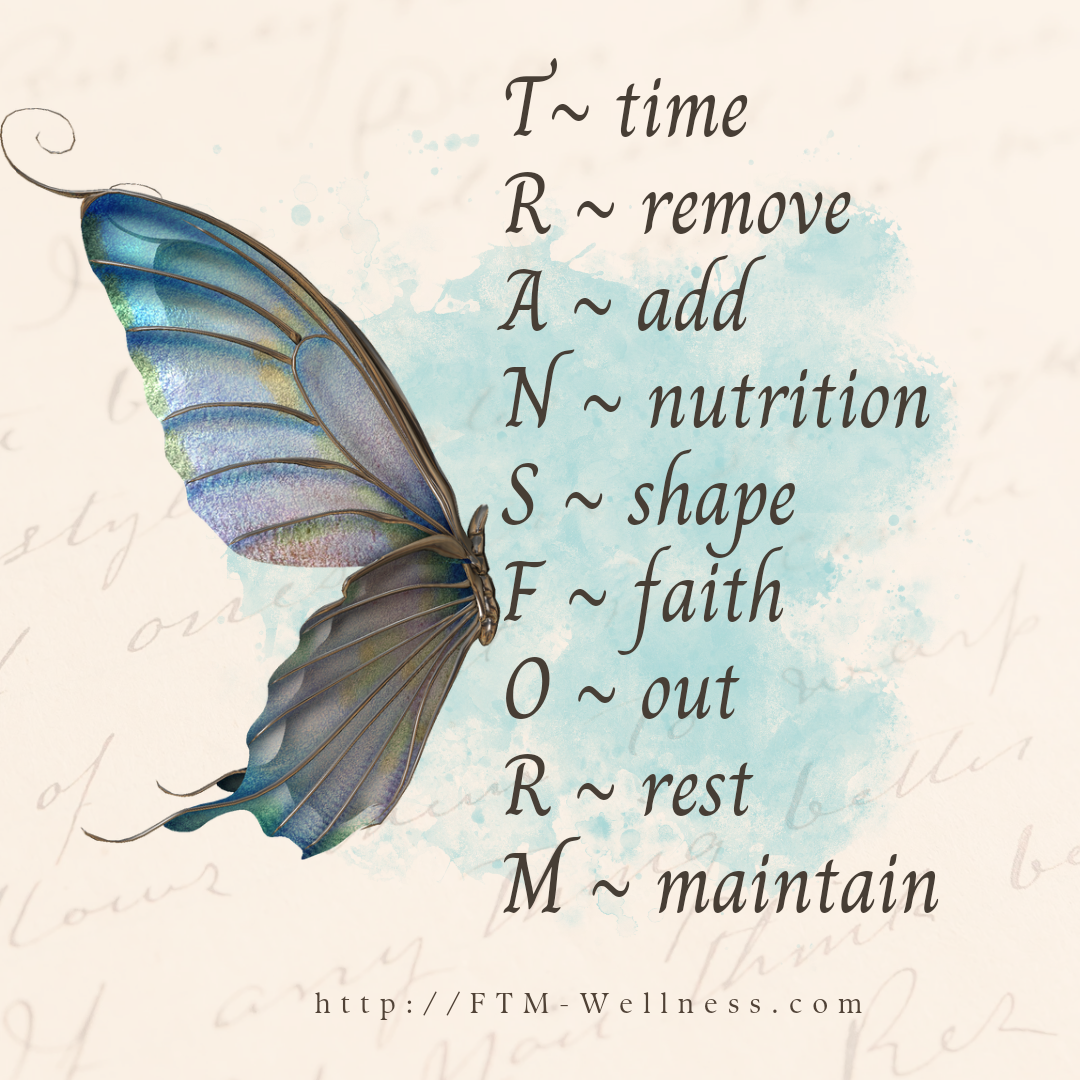
Here are the steps we’ve discussed so far:
T – Time; true transformation takes time. Trust the process and make the best use of the time you have.
R – Remove; remove all negative thoughts, unhealthy foods, and time wasting activities that prevent you from being your most productive
A – Add; Add in more water, healthier foods, more rest, more workouts, lift heavier weights, run/walk a little farther.
N – Nutrition; Fuel your body for these workouts, better sleep, and burning body fat by being intentional with your food choices!
S – Shape; Building muscle improves your shape. Eating healthier meals, making the most of your workouts, being consistent, sticking to morning and evening routines shape your habits!
F – Faith; our bodies were Divinely designed! God has gifted each of us with gifts, talents, and purpose. Improving and maintaining our health and fitness levels ensure we are FIT to serve!
O – out; get out of your comfort zone! Challenge yourself, and you’ll be amazed at what you can accomplish. If you don’t change anything, you can count on staying the same.
And now we’ve moving our focus to~
R – REST; remember the caterpillar works really hard making that cocoon but then he rests. Staying active and keeping up with your workouts is definitely important. Just don’t overlook the importance of rest! Your body and your mind need to shut down, recover and rest in order to become healthier and stronger. Keep in mind that God Himself created the world in 6 days, then He rested. He’s set the standard for us.
When we think about transforming, we typically think of all the work we have to do, right? The workouts. The meal prep. Switching unhealthy habits for healthy ones. We get so caught up in looking at the scale, and making sure we’re doing all the things that we all tend to overlook one of the most important puzzle pieces. REST!
One of the healthy habits we talked about adding was self care. If you have created an evening and/or morning routine, I really hope that you included some self care and down time for yourself. These lead to more productive rest and more sound sleep.
First things first – get that bloodwork done. Get the mammogram. Get the check up.
Then schedule the “body work” ~ routine chiropractic adjustments, neuromuscular massages, and yes, even pedicures. Get those nails done. Get your hair done. Sit outside in the sun. Read the book. Dive into a Bible study. Take a long, relaxing soak in a hot bath. Go to lunch or dinner with a friend or relative; it’s a great idea to make that a routine thing! Healthy relationships are like medicine!
You’re working your cardiovascular system and your muscles with the workouts, and you’re working every other system with daily life at work and with family. Give yourself time to rest! I guarantee that overtraining and failing to get adequate rest will sabotage your progress, AND your health. Take care of YOU!! Rest is most definitely as important as getting your workouts in and eating healthy meals!
And yes, of course, sleep is most definitely a huge part of getting rest. Our bodies NEED good, quality sleep, and there are SO many crucial benefits. It’s important to keep in mind the very real harm lack of quality sleep does to our overall health and wellness, even above and beyond our fitness journey. In order to truly be successful in any weight-loss, muscle-building, health improvement plan, we all need to follow this formula: Clean nutrition + Exercise + Rest/Self Care = Success
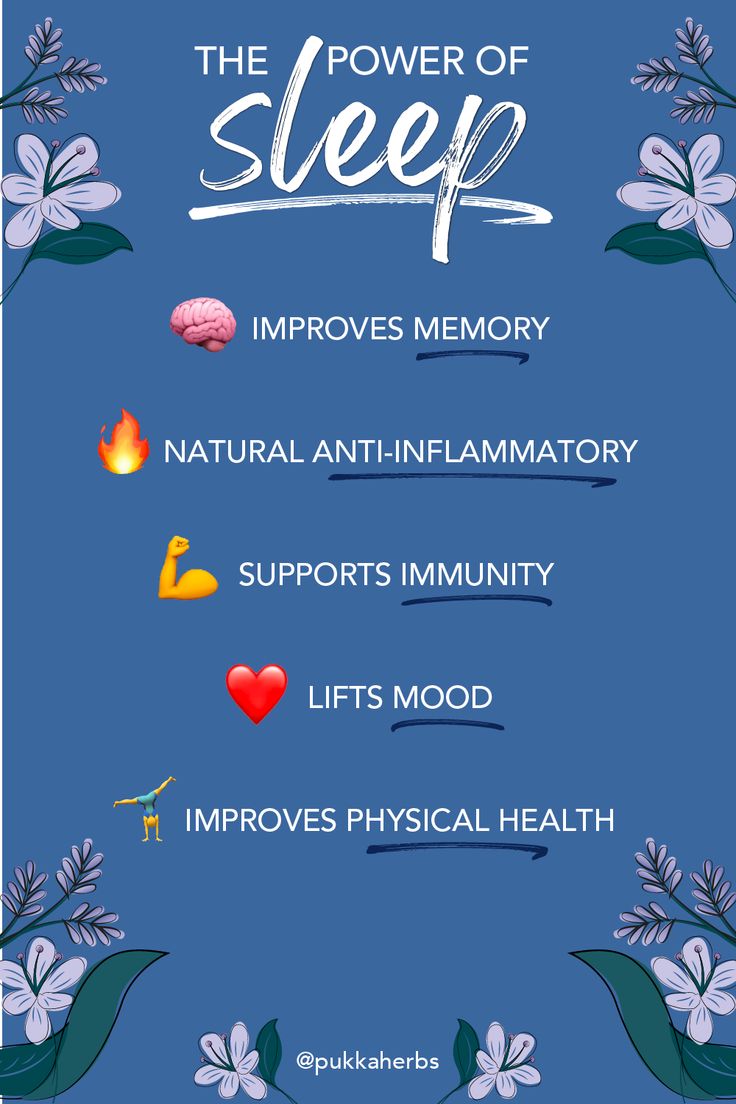
Here are just a few of the benefits you reap with seven to nine hours of quality sleep per night:
Our brains process and store information from the day while our bodies are “shut down.” This process is crucial for long-term memory storage
As we sleep, our brains release growth hormones and other chemicals that aid in repairing organs, muscles, and cells.
Quality rest allow the immune cells to work harder, which in turn aids our cells in fighting germs.
Quality sleep strengthens our hearts
Quality sleep increases exercise stamina and strength
Proper rest aids our bodies in not only losing body fat, but can also help to prevent weight gain
Quality sleep aids in decreasing inflammation
Aids in reducing stress levels
We have almost completed the breakdown to true TRANSFORM-ation success! All of these things will truly help improve you overall health and wellness, maintain a comfortable, healthy body weight, and boost your confidence and mood as you crush your very own transformation journey. As always, if you feel that a little accountability, guidance, and/or a balanced plan from a personal trainer or fitness coach is the missing piece for you, I am here for you! Please feel free to reach out to me through this site, or to email me at Fitteachermom@aol.com for more information. I genuinely would love to discuss your goals and obstacles with you!















 FTM Wellness