Author Archives: Fit Teacher Mom

Unknown's avatar

About Fit Teacher Mom

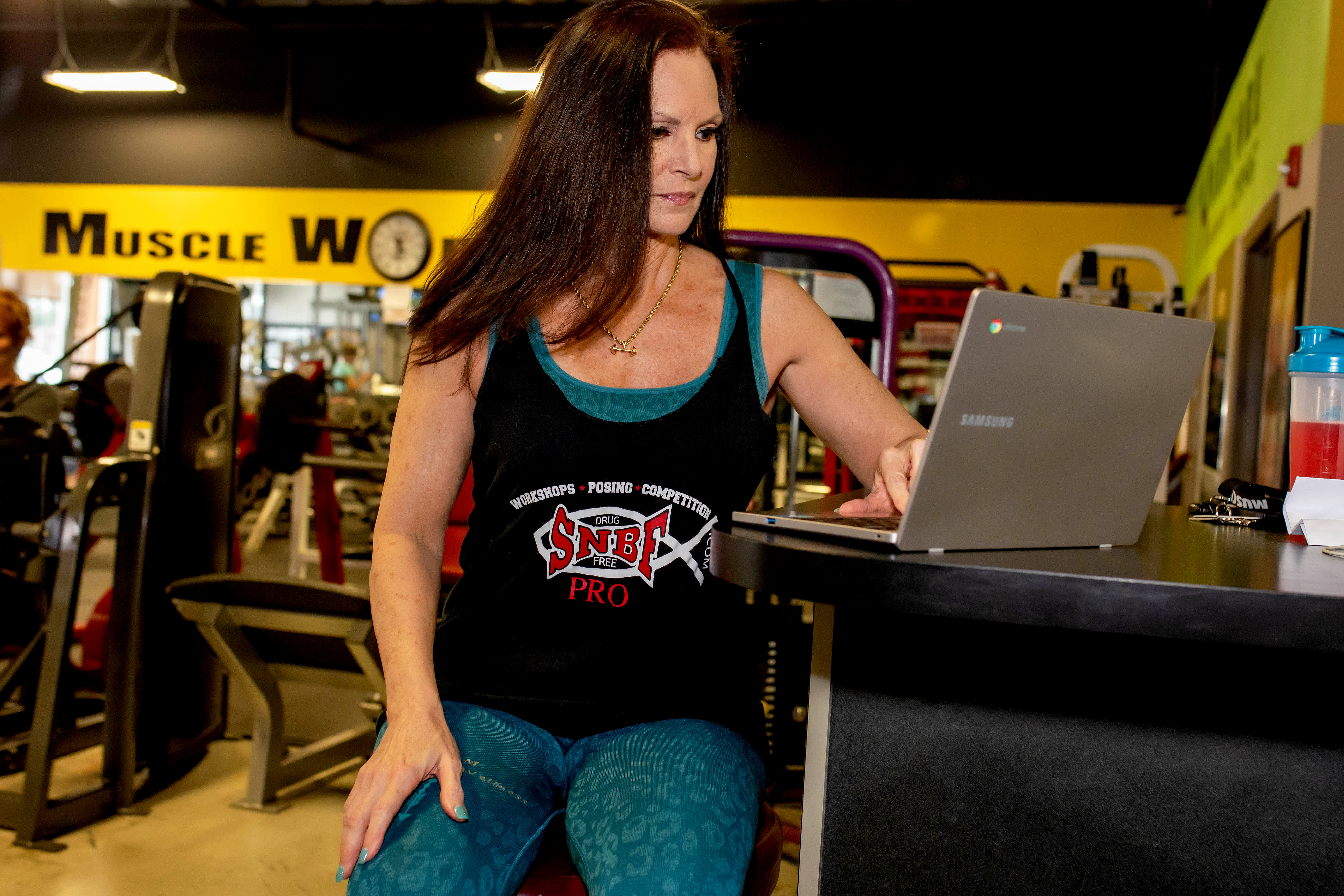
Lisa Hayes Cox is an ANBF/SNBF Pro Bodybuilder, Certified Personal Trainer, Yoga, & Zumba instructor who is passionate about helping others improve their health and wellness

Don’t Wait! Act Now!

Life can certainly throw some surprises at us!  We’ve all been caught off guard by health issues, family crises, home and vehicle repair needs, etc.  Such a WIDE range of things!  Most of us have our heating and air systems serviced to keep things running as smoothly as possible, and we keep our vehicles serviced (oil changes, tune ups) to keep them running as smoothly as possible to prolong the life of our cars.  In keeping with this proactive thinking, why not be proactive with your health and overall wellness?!   A lot of you may already have healthy habits in place.  If you don’t, what are you waiting for?!  The Covid pandemic took the world by surprise, and certainly put our health and wellness front and center.  If your health and wellness is already a priority, you have a little less to worry about.
Making your health a priority is NOT being selfish; in fact, it’s an investment in your loved ones.  Why wait until some illness or injury occurs to re-act?  Much like keeping your cars maintained, being proactive with your personal health is a very wise choice!  There will always be things out of our control; however, there are things we can do to prolong a healthy lifestyle!  These are:

  • Maintaining a healthy weight
    • Avoid fad, trendy diets, and embrace a healthy lifestyle!
    • Cut out processed sugars, enriched breads, and sodas
  • Decrease the amount of dairy you consume
  • Increase movement!  Dance, walk, run, lift weights, stretch, etc.  
  • Instilling “anti-aging” habits
    • Include a quality multivitamin in your daily routine
  • Add a quality probiotic, and Omega 3’s into your daily routine
  • Make getting enough rest a priority
  • Avoid tobacco or vaping products
  • Limit the amount of alcoholic beverages you consume
  • Use sunscreen, and apply a quality quality lotion after each shower
  • Improving and strengthening your immune system
    • Remember the quality multivitamin?  Make sure you’re getting enough Vitamins B, C, and D!
  • Quality sleep is important here, as well. 
  • Avoid sugar!  There are various forms of sugar hidden in most of our foods (including spaghetti sauce and alcoholic beverages).  If you cannot cut sugar from your diet, at least limit it.  Sugar literally suppresses your immune system.
  • Include at least three (3) servings of green vegetables into your diet daily!  
  • Improving and strengthening your mobility
    • Include some form of resistance training at least three times each week
  • Include quality stretching.  I highly recommend weekly yoga classes!
  • Be aware of and intentional about your posture!  Keep your back straight, and your shoulders back and down; whenever you feel yourself slouching, roll the shoulders back and down!
  • Move often throughout the day, even if you have a mostly sedentary job.  Standing up, walking around your office, doing arm circles, bodyweight squats, etc. will be helpful!
  • Maintaining a healthy hydration level
    • Make a new habit of drinking at least 72 ounces of water each day
  • Any time you feel hungry, drink an 8-ounce serving of water
  • If breaking a soda habit sounds impossible, start easy.  Replace one soda or sweet tea drink a day with water.  Add lemon or lime if you’d like.
  • Get a fancy or pretty cup that you love!  Use a straw.  If it encourages you to carry it with you and drink water – it’s almost a necessity!

Putting healthy habits into place will keep all of your systems (central nervous system, respiratory, cardiovascular, etc.) operating at full capacity, and keep YOU operating at full capacity as well.  
Here are just a few examples of how being proactive can serve you SO much better than being reactive.  
  1. Nutrition:  Reactive nutrition looks like grocery shopping and meal prepping on the go; running into the store and snagging things on sale, putting things in the buggy based on cravings, emotions, and “on a whim.”  Proactive nutrition looks like menus have been planned out, a proper grocery list was made, and maybe even ordered online to pick up (via InstaCart, etc) outside the store without additional emotional or unplanned purchases.  Cook and eat according to your plan and what’s in your own home!

  1. Exercise:  Reactive workout plans are the ones where workouts rarely happen.  Once you get out of work, you realize you either don’t have your gym bag or forgot tennis shoes, ear pods, workout clothes, etc.  You don’t have a plan, or any accountability, so you go on home planning on another day.  Proactive workout plans are the ones that happen each and every day necessary because the gym bag was packed the night before or stays packed with charging cords, extra shoes, sports bras, socks, ponytail holders, etc.  There most likely is a workout partner, personal trainer, or fitness group that is expecting you to show up AND expecting YOU to hold them accountable as well.
  1. Weight Management:  Reactive weight management most likely resembles a yo yo; weight fluctuates more than 15 pounds every few months, and no real changes have been sustainable.  Reactive weight management basically reacts to weight gained by severely restricting calories (including necessary nutrients) and attempting to adhere to a fad or trendy diet only to return to old habits and gain weight back, plus some.  Proactive weight management combines clean, healthy, whole foods daily, and consistently maintains this for life.  Proactive weight management includes a consistent exercise program in addition to taking enough calories from meals made up of lean proteins, complex carbohydrates, green vegetables, and healthy fats.
  1. Immune System:  Reactive immune systems are typically weak, and, well, reactive:  prone to catching any and every bug, and commonly more prone to chronic health issues such as diabetes, heart disease, arthritis issues, etc.  Reactive immune systems are also prone to be on various medications, both over the counter and prescriptions (which cause various side effects and other health issues).  Proactive immune systems are typically stronger and resistant to most common bugs. Even if someone who is proactive with her immune system catches a cold or virus, it isn’t as severe and is short-lived.  Someone who is proactive with their immune system typically is free of most prescription medications, and does not suffer from the most common chronic health issues.  Even arthritis symptoms are easily manageable without prescriptions through exercise and clean nutrition. 
  1. Anti Aging:  Reactive aging creeps in – slow weight gain throughout the midsection, stiffness in the joints, difficulty in getting up after sitting for long periods, difficulty getting up from the floor or a low seat, dry skin, low energy levels and frequent fatigue.  Proactive aging is ANTI aging!  It consists of eating a clean, healthy diet, staying sufficiently hydrated, staying active, maintaining a consistent exercise routine, getting enough sleep, maintaining a healthy weight, less achy joints, more fresh air, and less screen time!

Wouldn’t you prefer to be proactive and invest in your longevity? Being reactive can also drain your energy and time dealing with health and weight management issues that, quite frankly, could be avoided completely with a proactive mindset and proactive habits!  Decide today, for yourself and for your loved ones, to be proactive about the things you can.  Does all of this leave you feeling overwhelmed?  You don’t have to be!!  Pick just one area to start with.  Make a checklist for yourself, in this one area, of the things you can put into place this week.  Start with small steps – the things you can manage this week.  Once you get a few new habits in place, you’ll feel much better and more confident.  Then build from there!

If you really want to make some serious lifestyle changes, but don’t know where to start, a good personal trainer can be the best investment in yourself.  I would love to help you!  There is no reason why you can’t be healthy and live your best life – at any age.  Please feel free to reach out to me if I can help you!  Email me at Fitteachermom@aol.com, or contact me through the link on this web site.

Here’s to healthier habits and a proactive mindset!!!

Eight Reasons Why I Love Yoga ~ And Why I Think You Will, Too

How do I love yoga?  Let me count the ways!  I know that’s such a cheesy opening. . . but it’s honestly SO true!  Yoga has tremendous benefits ~ ones you feel instantly and from the inside out.  Yes – even after your very first class.  

You do not have to be at any certain fitness level to practice yoga.  The beauty of yoga is that it is FOR YOU – where you are right now.  Your practice changes, grows, and improves as your body and fitness level change.  Some true, long-time yoga practitioners are definitely advanced in their physical fitness ability, flexibility, and ability to get into and maintain challenging postures.  But their capabilities were not automatically present at their first class.  It’s called “practice” for a reason!  In any physical fitness activity, there’s always room for growth and skill development.  Yoga is no different.  

  • Your yoga is just that – all yours!  Every time I get on my mat, whether I’m teaching a class or taking one, that time is all mine:  learning more about what my body needs, what I’m capable of, and mostly recovering from daily and/or weekly stresses (emotional, mental, and physical). Today’s yoga session may be completely different than tomorrow’s, depending on which muscle groups are sore or tight and how stressful the week has been. 
  • Yoga is “time friendly.”  Thankfully, there is no minimum or maximum amount of time required!  A good yoga session can last from 10 minutes up to 90 minutes.  The decision is completely up to you.
  • Had a few hard workouts that left your muscles feeling sore and tight?  Yoga sessions can target those areas!  Let your yoga instructor know if your lower back or hip flexors feel tight or if your shoulders and upper back have been bothering you.  A good yoga session can definitely help relieve that tightness and aid in recovery.  Actually, weekly yoga sessions can greatly improve your recovery and help maximize your workouts.
  • Yoga is one of the best ways to relieve stress!  Settling onto a yoga mat, concentrating on your breathing, and stretching tense muscles will calm your heart rate and release a great deal of tension and stress.
  • Recovery yoga before bed will greatly improve the quality of your sleep.  Tense muscles are stretched, stress is relieved, circulation is improved, and your body is relaxed.
  • With each yoga session, balance, flexibility, and mobility improve.  Especially as we age, these help us maintain our independence so we can continue to lead an active, healthy lifestyle.  Each time you perform a difficult pose, your body improves!  Those tight muscles and tissues DO remember and respond.  Even repeating a pose later in the same session will be improved. 
  • In addition to the obvious muscle stretching, yoga also incorporates resistance training as we use our own body weight to hold stretches and in moving in and out of poses.  Not only are you improving your balance and flexibility, but you’re also gaining strength and endurance!
  • No two yoga sessions have to be the same!  Remember, it is for you!  Each instructor has their own style, and each app or video is different.  If you’re plugging yoga in at home, you can play music or nature sounds.  Your room can be brightly lit or have low light.  You can incorporate aromatherapy with candles or oils.  I love that one day my class utilizes low light and the sounds of ocean waves, while another class is more about fellowship and communicating while we stretch.  A yoga practice can be more flowing in and out of poses, or lingering in stretches for longer periods of time.  Each yoga session can meet your needs at that time!

If you haven’t tried yoga before, please do yourself a favor and give it a try.  I promise you won’t be disappointed!  Many gyms offer yoga classes if you don’t have a yoga studio near you.  The Down Dog app is one of my favorite go to’s for my own practice at home when I don’t want to plan my own practice.  If you’re local to me, please check the Yoga tab on this web site for class opportunities!  

As always, please feel free to contact me if I can help you with your healthy and wellness goals!

What’s The Deal With Inflammation?!

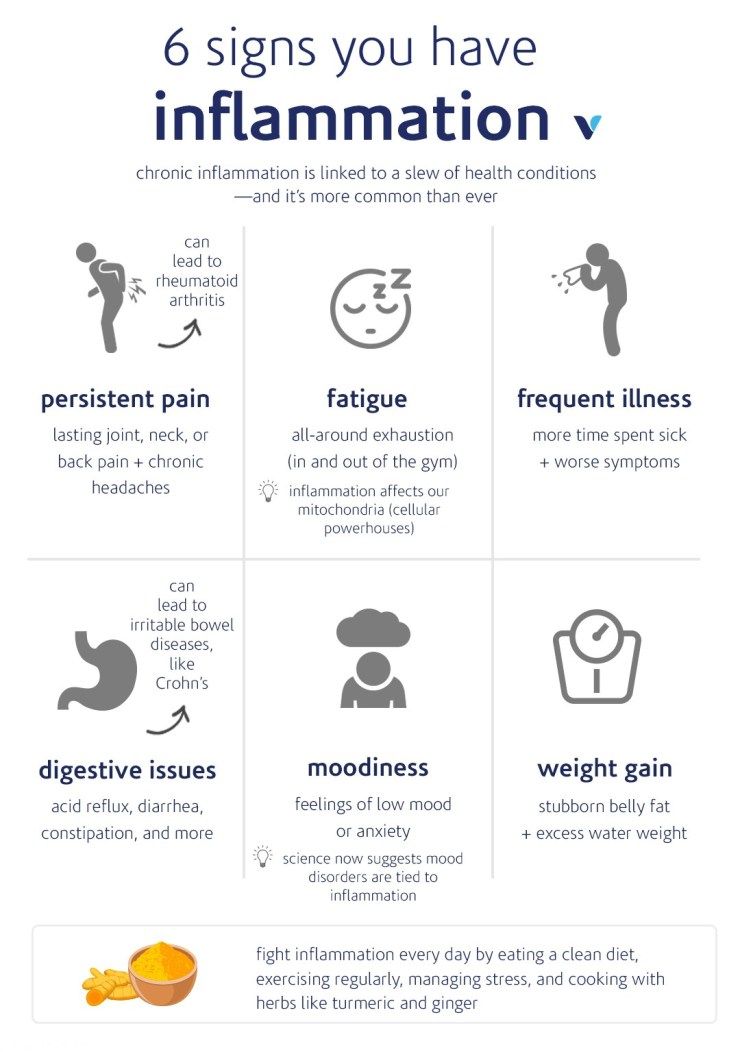
Recognizing symptoms of inflammation and managing it is crucial to your overall wellness journey.  There are so many common, chronic symptoms we all experience from fatigue, headaches, and even congestion/runny nose that may actually be a symptom of inflammation rather than allergies or a cold.   Most often we associate inflammation with an injury or arthritis, but it can warn us about other health issues.  If your body has excess inflammation, it’s trying to signal you that something is off in your system.

After researching this more in depth (from WebMD.com, Healthline.com, Medical News Today and Harvard Health), I’ve learned that there are two types of inflammation:  Acute and Chronic.

Acute Inflammation is what actually happens at the onset of an injury, such as a sprained ankle or wrist, that actually helps us heal.  The swelling, and oftentimes heat, are our bodies reaction to an injury; these symptoms are fighting the injury and signal us to rest that area as the swelling goes away.

Chronic Inflammation is serious, and if this isn’t treated, it can start a domino effect in our bodies of other issues.  Here are a few signs of chronic inflammation:

  • You’re tired all of the time. Can you believe that too little or too much sleep can lead to inflammatory reactions in your body?  Irregular sleep patterns can cause cells in your body to respond as if you’re dealing with an illness.
  • You have aches and pains that cannot be attributed to an injury.  If you experience pain at either end of the range of motion, you could be dealing with inflammation or arthritis.  Either should be checked out with your doctor, just to be safe and to keep you on the right track.
  • You’re experiencing digestive problems.  If you’re dealing with ongoing excessive gas or diarrhea, this could be caused by inflammation in your gastrointestinal tract.  Chronic digestive issues should never be ignored!  This could be inflammation from food allergies, Crohn’s Disease, Diverticulitis, etc.  These definitely need to be checked by your doctor.
  • Your lymph nodes are swollen. These are located in your neck, armpits, and groin area.  Swelling in your lymph nodes is a definite signal that something is wrong with your immune system.  A viral or bacterial infection will cause these to swell, but as the infection heals, the swelling decreases.  If your lymph nodes stay swollen, this should be checked with your physician as well to determine if there is something more serious going on.
  • You have a stuffy or runny nose.  The obvious sign for allergies is inflammation in our nasal passages.  At the onset, we believe it’s all due to seasonal allergies or a common cold.  However, since inflammation is the body’s way of fighting a foreign substance and protecting itself, a stuffy nose that persists could be a sign of something else. 
  • You’re experiencing skin irritation or break outs. Internal inflammation can sometimes make itself known by breaking out on our skin.  If you’re experiencing a new rash, dry skin, eczema, etc., it could be a sign of internal inflammation.  If it becomes a chronic issue, having a doctor check is always a good idea.
  • You’re having problems with focus or are noticing “brain fog.”  Inflammation can definitely affect us mentally.  We become a little more forgetful, have trouble focusing, lose track of what you’re saying during a conversation.  If we treat internal inflammation, mental clarity improves.  Our nutrition plays a huge part in this!  Fast foods, processed foods, convenience, and restaurant foods can lead to nutritional deficiencies.  Our brains, and entire body, operate at optimal levels when we are fueled appropriately!

Chronic inflammation, untreated for an extended period of time, can lead to any number of health concerns.  These include:

  • Diabetes
  • cardiovascular disease
  • Arthritis and other joint diseases
  • Allergies
  • Chronic obstructive pulmonary disease (COPD)
  • Psoriasis
  • Rheumatoid arthritis

So, what can we do?  Can we avoid chronic inflammation?  The answer is YES!  At the very least we can minimize our risk.  Here are a few factors that typically lead to this type of inflammation:

  • Older age
  • Obesity
  • A diet that is rich in UNhealthy fats and added sugars
  • Smoking
  • Low hormone levels
  • Stress
  • Sleep problems

You likely already know that I’m headed straight to the nutrition and exercise fix, right?  Because proper self care is ESSENTIAL for our health and wellness right now, as well as our long-term health, wellness, mobility, and longevity.   Wouldn’t you prefer a better quality of life as you age?!  

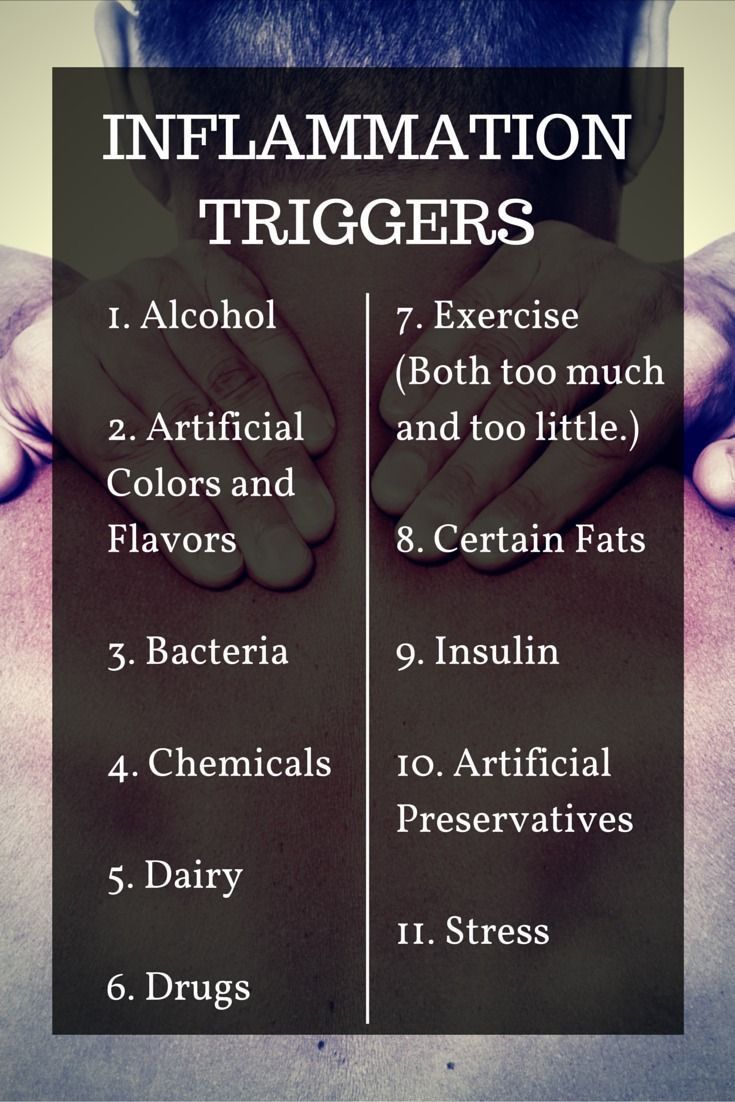
So let’s look at nutrition.  First, there are so, so many foods that can not only lead to inflammation, but actually cause it.  These are:

  • Processed, refined carbohydrates (white bread, donuts, etc.)
  • Fried foods (french fries, tater tots, etc.)
  • Sodas and all sugar-sweetened drinks.  This includes Gatorade!!!
  • Red meat that is fatty (always choose the leanest possible) and processed meats (sausage, hot dogs, bacon, etc.)
  • Margarine, shortening, and lard

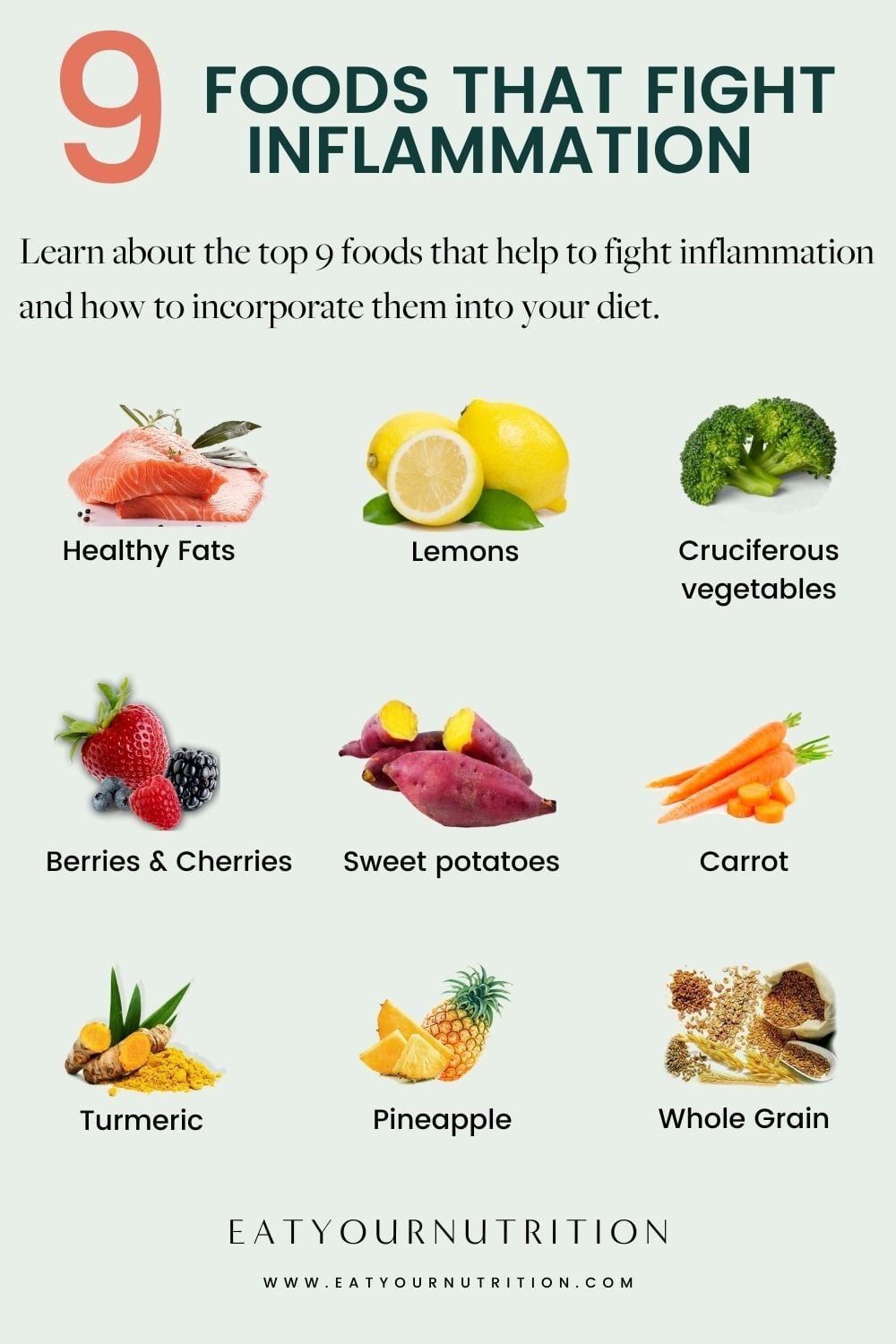
Now onto the good stuff!  Please DO NOT PANIC!  You will not be giving up flavor or enjoying your foods, I promise.  In fact, you will likely be pleasantly surprised by how good you feel without the “crap” foods listed above in your system.  Here are some examples of ANTI-inflammatory foods:

  • Tomatoes
  • Olive oil
  • Green leafy vegetables
  • Nuts like walnuts and almonds
  • Salmon and tuna
  • Strawberries, blueberries, cherries, and oranges
  • Coffee (Yup!  Without the sugary creamers and sugar)

Not only will these foods help decrease any inflammation in your body, a diet rich in these can also help prevent inflammation!  This can also help control your blood sugar levels, decrease body fat, and increase your energy.  

Movement and getting in an adequate amount of exercise can also tremendously decrease inflammation.  If working out only reduces stress for you, you’re still ahead of the game!  We all know there are more benefits than that.

The bottom line here is to cut back or eliminate the foods that are unhealthy and cause inflammation.  Eat a diet full of the anti-inflammatory foods, and get moving.  You will feel so, so much better!   If, of course, you are dealing with any of the signs above of chronic inflammation, go ahead and see your doctor.  If there is a problem, you can be on your way to resolving it.  If not, you’ll have peace of mind and a direction (healthy nutrition and exercise) to go.

As always, if you want or need help with nutrition and/or a workout plan, please feel free to contact me at Fitteachermom@aol.com, or through the Contact Me tab on this web site!

Time Is On Your Side

This has to be a joke, right?!  None of us ever seem to have enough time!  In fact, the most common reason I hear from clients and friends for not eating right or working out is “I just don’t have the time.”  So, here’s the thing – you/I make the time for things that are important.  The things that are priorities for us or our families are the things that take precedence in our schedules as well.

Even though fitness and healthy eating take time and effort, and seem to be more selfish pursuits, the truth is that your health and wellness ARE essential!  When moms and dads are sick, managing our households becomes much harder.  We can’t prevent all illnesses, but placing an emphasis on your nutrition and fitness level will certainly minimize chronic illnesses and maximize your overall health.  Just imagine fewer doctors appointments!!  That will certainly free time in your already hectic schedules, right?  
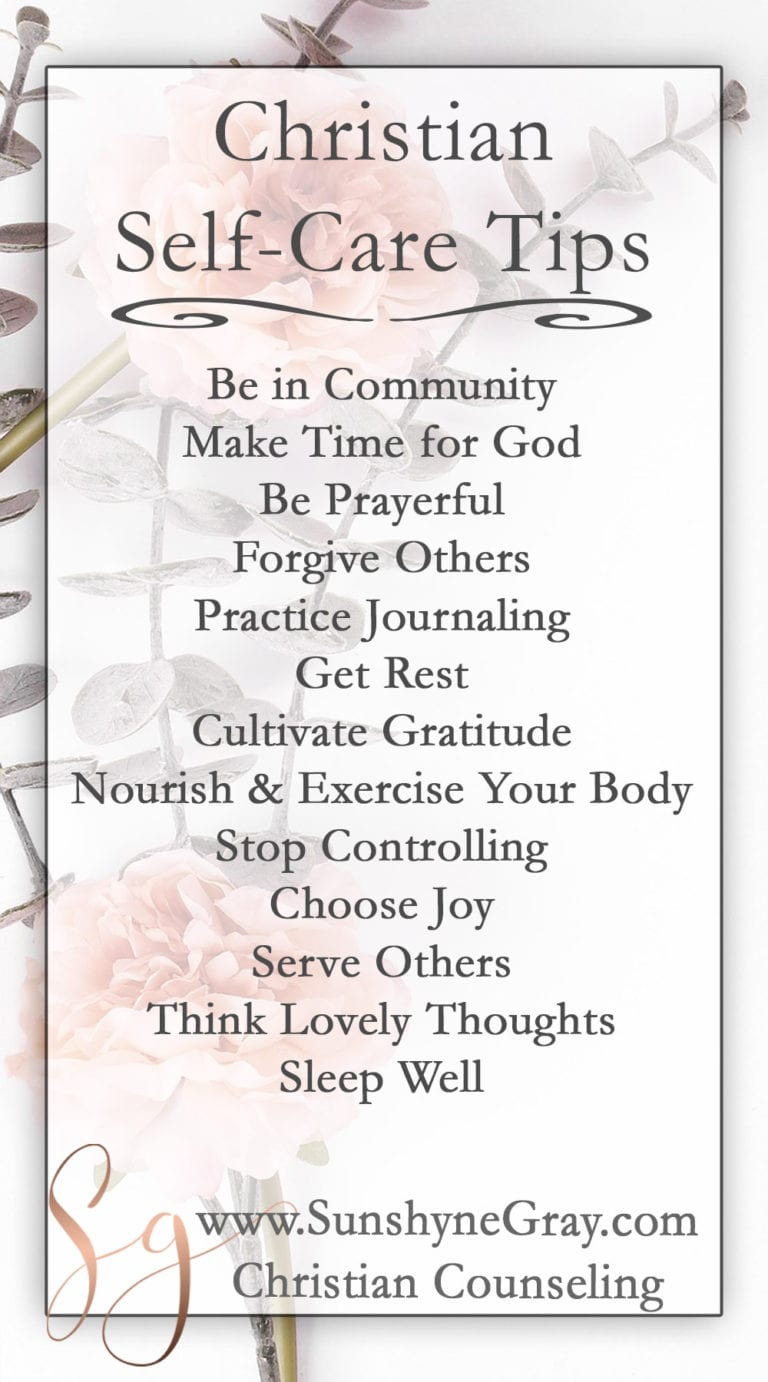
I want to review a few basic principles from earlier blogs about the advantages of healthy eating and working out, as well as some disadvantages from unhealthy eating and not getting weekly exercise.

Advantages:

  1.  Healthy eating provides clean nutrition – think of that as fuel for your body.  Taking in the appropriate amounts of calories, protein, carbohydrates, and healthy fats keeps your body and ALL of it’s systems (cardiovascular, digestive, respiratory, etc.) operating at optimal levels.
  1. Taking in clean nutrition boosts your immune system!  Naturally, this helps your body fight off any germs and illnesses you encounter.  

  1. A healthy diet minimizes complications from chronic illnesses such as heart disease, diabetes, arthritis, and even allergies.
  1. Getting in three (3) to four (4) days of exercise every week maintains a healthy weight and can aid in losing excess body fat.
  1. Some form of daily exercise will help manage stress, burn off frustration, and help with our mental health.  
  1. Exercise can aid in clearing “brain fog” and give a different perspective on stressful situations/decisions.
  1. Exercise keeps your joints and soft tissues operating at their best.  Think of the “use it or lose it” theory.  Sitting still for long periods of time freezes your joints and they become stiff.  Movement does just the opposite.
  1. Getting exercise allows us to maintain and improve our balance, flexibility, mobility, and strength

Disadvantages:

  1.  Eating a diet that consists of primarily fast foods and processed foods can lead to any number of digestive issues, and in complicating chronic health conditions.
  1. A diet that consists of either too little or too many calories, protein, carbs, and the wrong kinds of fats can actually cause many health issues, as well as causing the body to store unhealthy body fat around your organs (visceral) as well as under your skin.
  1. An unhealthy diet in addition to already carrying too much body fat is harmful to your organs, joints, and connective tissues.  This can also weaken your bones.
  1. Eating a diet that is full of processed foods and high in sugar actually suppresses your immune system, making you a target for every illness and virus.
  1. Avoiding exercise is harmful to your joints.  Remember that we are Divinely designed!!  Each bone, joint, ligament, tissue, and organ has a purpose, and these all work together.  I know from personal experience that if you neglect one muscle group, another takes over, causing imbalanced and improper work on your joints.  If your core is weak, your lower back will become overworked and begin to give out.  If your hamstrings are weak, your knees will have more “pull” from the front of the leg, causing improper work dynamics which in turn will cause pain and possible injury.

Ok – now you see just why a healthy lifestyle is so crucial to your overall wellness, longevity, and healthy aging.  However, you still have the issue of finding time.  This is where priorities and time management come in!  

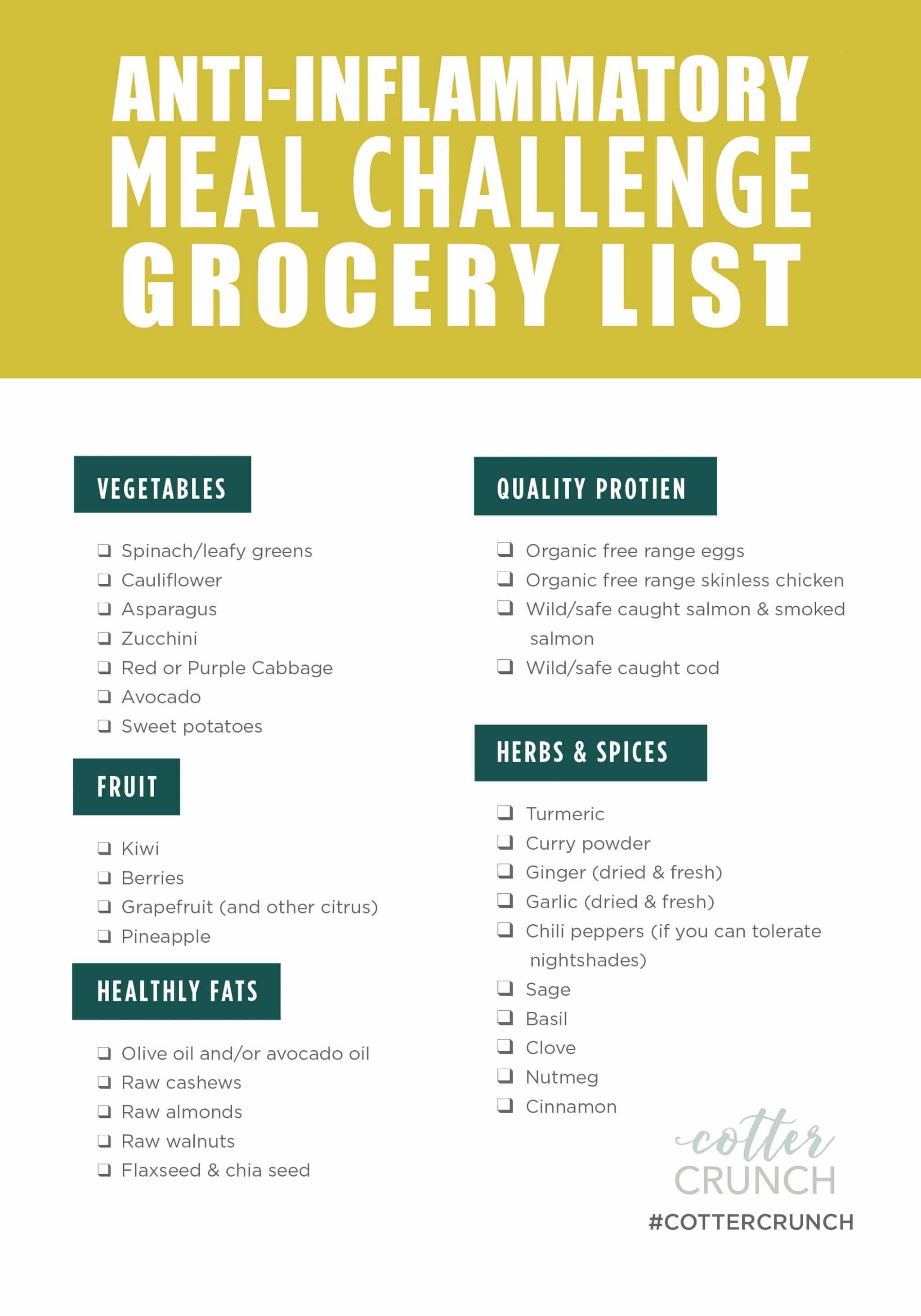
We’ll tackle nutrition and meal replacement first.  Journaling might be a helpful option, or at least a notepad and a pen!  First, make note of how many you will feed each day.  Will you need to prepare all meals and snacks for your spouse and children?  Just you?  (I have made MANY meals that have been tweaked to allow for my competition prep, as well as meals my husband and sons will eat.)  The next step will be to prepare a weekly menu for each meal – breakfast, lunch, supper, and snacks.  Is this accounting for everyone’s particular likes and dislikes, allergies, etc.?   Now you’re ready to put this into a grocery list; include ALL items needed to cook (seasonings, herbs, extra virgin olive oil) as well as all ingredients.  

Helpful Tips:

  • Look at Pinterest or Google for clean recipes for your favorite dishes
  • Purchase the containers in the produce section that have fresh vegetables already chopped – huge time saver!
  • Order your groceries online to pick up.  This saves you time going inside the store, waiting in a line to pay for your groceries, AND allows you to purchase ONLY the items needed for your menu!

Now just pick a couple of days to prepare a few meals in advance.  Don’t forget about what a time saver a crock pot is!  Pinterest is really helpful here, too.  Once the meals are prepared, divide by servings, and put into individual containers to keep in the refrigerator.  Then you just grab and go.  Even back at home at the end of a busy day, knowing you have dinner all ready to heat up is such a relief.  If you are out and about for sports practices and games – knowing you have a meal already prepared will save you time AND money going through a drive-through for fast food.  Just heat your meals and relax at home while you eat.

Up next – workouts!  I promise this isn’t as daunting as you might think.  Look at your calendar, and take your daily schedule into consideration.   If you have a gym membership – use it!  Pack your gym bag before you go to bed at night; even put it in your car if that helps!  Make sure you have workout clothes, socks, the right shoes, your head phones, etc. already in the bag in the evening.  Just like your meals – you grab and go on your way out in the morning (unless it’s already in your car).  Just carve out 30 to 45 minutes at least 3 days each week to stop by the gym on your way home.  Depending on your work schedule, maybe going to the gym first and then onto work is better for you.  You’ll only need to get up a little earlier; I promise it’s more than worth it!  If you’re like me, you spend nearly that much time piddling on household tasks in the morning anyway.  Make a plan, and stick with it!  Don’t let yourself get sidetracked.  

If you aren’t a gym member, do NOT let that stop you!!!  If you feel that you would be more consistent with the accountability of a gym environment – then research the gyms local to you.  Most will offer a week-long guest pass.  Just try it out.  If joining a gym just isn’t for you, then plug in at-home workouts for yourself.  Either first thing in the morning before you get ready for the day, or immediately after work.  Depending on your dinner menu, you will likely have 20 to 30 minutes while supper is cooking!  

The final step for getting workouts in is making a plan for each week.  Go ahead and schedule your workouts.  Yes – write them down!  If you want to lift weights, plan which days you will work which muscle groups.  Have a plan for each muscle group for when you walk into the gym or pull out any home equipment.  If you prefer a variety – make sure you schedule a day for an outdoor walk, a yoga class, dance fitness, running or walking with friends.   Look for gaps in your schedule; for example, if your child has a sports practice that lasts an hour, use that hour to jog or walk (through in some jumping jacks, plank, squats, walking lunges).  

Make your health and wellness a priority!  Self care is never selfish; your family is depending on you!  It can certainly seem overwhelming, but just take it one step at a time.  Start with nutrition.  Make a plan, and stick with it.  Be consistent, and you will have developed a healthy habit!   Then add in some form of exercise.  Mix it up, invite friends; have fun with it!  

A personal trainer can certainly be a huge benefit in creating a workable plan for you, aiding in time management, proper nutrition, and planning effective workouts.  A consultation isn’t a commitment.  If you’re weighing hiring a trainer, get references and consult with one or more to make the most informed decision.  I would love to help you!   Please click on my Contact Me link or email at: Fitteachermom@aol.com.  Mention this blog for a free consultation!!

Low Back Pain? Check Your Hip Flexors!

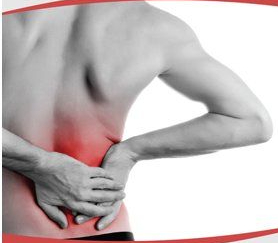
All of us have experienced low back pain at some point in our lives, and it is surely aggravating!  Even though you might be able to pinpoint what activity caused it, you could be missing a very important underlying factor!  Tight hip flexors can really throw a proverbial monkey wrench into things.  

Foam rolling and stretching your lower back is always helpful, but don’t neglect those hip flexors!  It’s always a great idea to stretch your hips and hip flexors – just to be proactive.  You already know that I’m going to recommend yoga. . . honestly, you cannot go wrong!  Whether you’re looking for recovery, stress relief, pain relief, improved balance, improved flexibility, improved mobility, improved strength, or ALL of the above, yoga is the answer!   But back to how hip flexors affect your lower back. . .

Quite often lately, I’ve noticed that stretching my hip flexors always makes my lower back feel better and improves my flexibility tremendously.  So I researched the connection between hip flexors and low back pain.  I’ve read over so many articles on web sites such as Livelovefruit.com, Netafit.com, Integrehab.com, ISSAonline.com, and Spineuniverse.com.  The overwhelming results are that tight hip flexors are most likely responsible for a large percentage of lower back pain!

First let’s pinpoint exactly what hip flexors are:

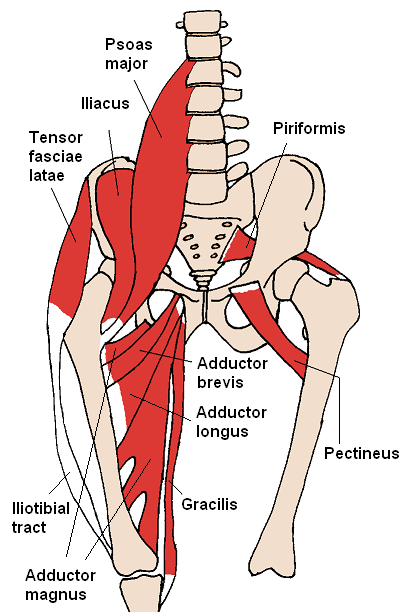
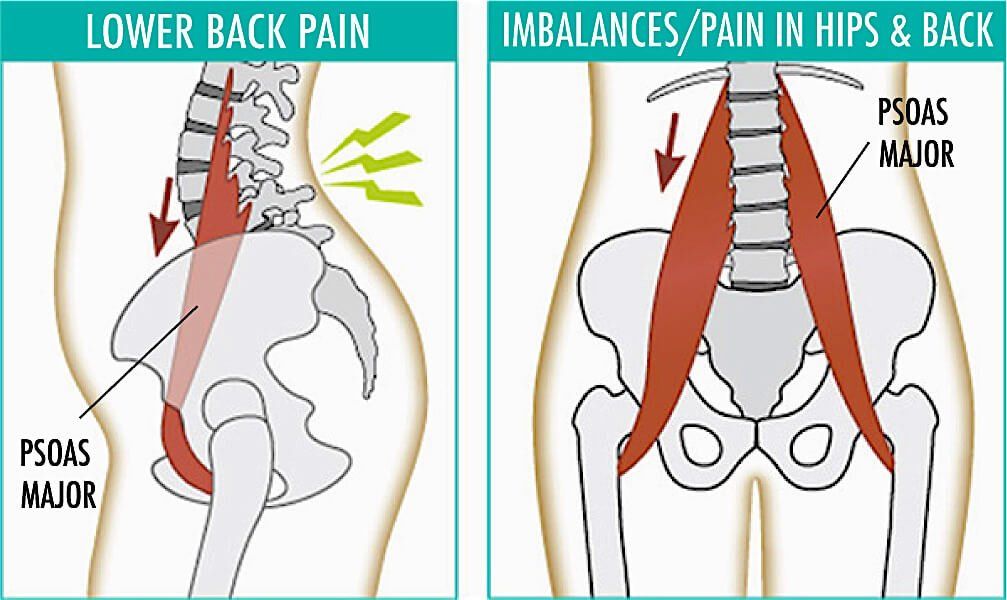
  • Iliopsoas muscle is actually two muscles working together to stabilize the lower back – the psoas (my personal nemesis) and the Iliacus.  The psoas is SO hard to stretch because it runs from the lumbar spine (mid back) into and through the pelvis to attach to the thigh bone (femur).  The iliacus muscle attaches the pelvis to the thigh bone; its purpose is to rotate the thigh.
  • Rectus femoris muscle attaches the pelvis to the knee and the quadriceps muscle, which is used in squatting and lunging.
  • Sartorius muscle goes from the pelvis to the knee and flexes the knee and leg.
  • Pectineus muscle, more commonly known as the groin muscle, is used in hip flexion, thigh rotation, and adduction.

All of these hip flexor muscles work together to stabilize the spine, and to allow us to have hip flexion.  Now let’s examine some signs that your hip flexors are tight.  

  • The most obvious sign is these muscles just feel tight, even when you try to stretch them. 
  • You experience a tightness or pain in your lower back, especially when you stand up.  (This one is me!)
  • You have poor posture and have a hard time standing up straight.
  • You have neck tightness and pain.  (Yes!  Hip flexors affect our entire back!
  • You experience pain in the glutes.

To sum all this up, tight hips can negatively affect our whole body, especially our lower back.  To alleviate low back pain, you can’t go wrong with foam rolling, icing, and/or stretching.  However, if you fail to address the underlying problem, the problem and the pain will persist.  

Tight hip flexor muscles will shorten, which pulls on the lumbar spine of your lower back causing the muscles of your lower back to tighten and cause pain.  That dreaded psoas (remember, my personal nemesis?) is attached straight to the vertebrae of the lower spine.  It’s really hard to stretch because of its location, and once it tightens and shortens, it can cause some serious pain.  For me personally, it’s always the right side and reminds me of experiencing a kidney stone!  It can become really painful.

Specifically quoted from spineuniverse.com:  “From the perspective of a doctor of physical therapy, Tony Matoska, PT, DPT, CMPT, Clinic Manager for Athletico Muskego, WI and Wisconsin Spine Specialty Program Regional Coordinator for Athletico, notes that “tight hips and hamstrings are more likely to affect your lower back than your middle or upper back (thoracic spine).”

In addition to muscle tightness in the hips, Matoska notes that stiff hip joints can lead to lower back pain. “A lack of rotational motion and ability to flex or extend your hip forwards or backwards can affect your walking, running, swinging, and twisting motions and increase mechanical strain on your lower back.”

So now that we see the connection between hip flexors and low back pain, what do we do about it?  Stretching is incredibly important!  Before you begin any workout – dancing, lifting, running, swimming – stretch!  Take the time to stretch; it’s more than worth it!  Strengthening the hip flexors is also incredibly important.   Include lunges, lying leg raises, kettlebell swings, hanging leg raises, glute bridges, and Bulgarian split squats to strengthen those muscles.

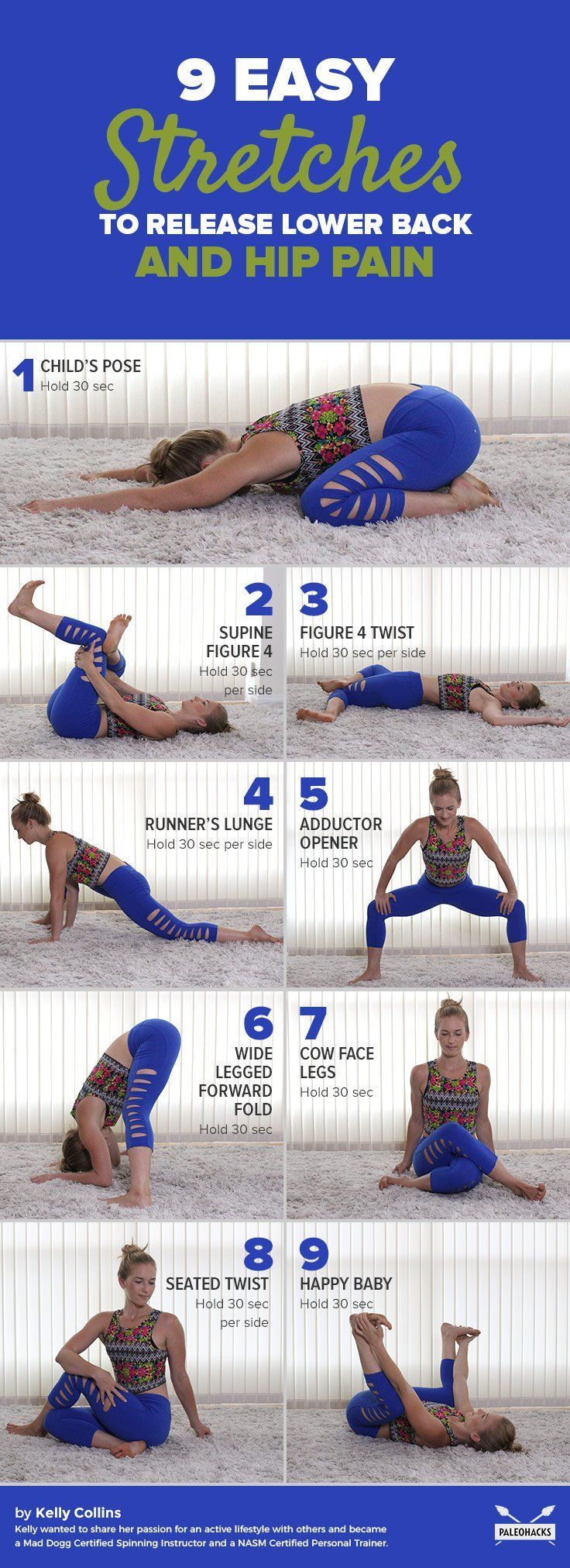
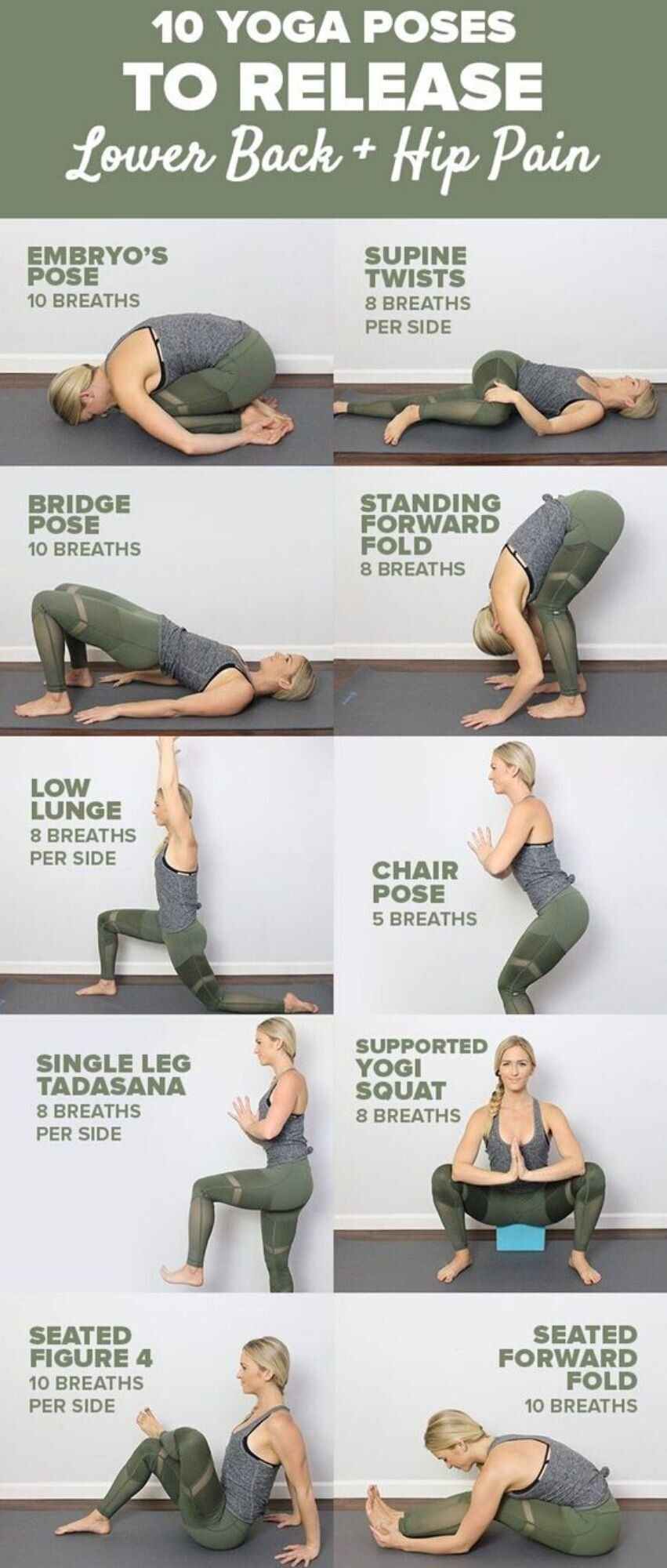
And, of course, YOGA!  There are SO many yoga stretches to stretch and strengthen your hip flexors and lower back – in the same session!  You can easily fit 10 to 15 minutes of yoga when you wake up in the morning and before you go to bed at night.  (Yes, you can.  Make the time; it’s that important!)  Include child’s pose, forward folds (standing and seated), butterfly pose, pigeon, sleeping pigeon, lizard, seated and supine twists, just to name a few.  Please check out the Yoga section on this web site if you’re local to me for class locations and times!  If you’re not local, please find a local yoga studio or gym that offers yoga classes.  You’ll be SO glad you did!

Start taking proactive care of your hip flexor muscles to improve your overall posture and relieve, if not prevent, low back pain! 

It’s Wellness Audit Time!

How are you feeling?  Seriously, how are you really feeling? Have you ever taken a wellness audit?  Memorial Day weekend is officially ushering in Summer.  Are you ready?  Do you feel ready to truly enjoy this summer, to make the most of it?  Let’s make sure by auditing your overall wellness – take inventory of YOUR overall health and fitness level today.   We will also look at potential solutions for any areas that can be improved.  

Physical wellness basically includes a variety of health behaviors and habits such as adequate exercise, proper nutrition, self care, and avoiding harmful habits (consuming excessive alcohol, smoking or vaping, and/or drug abuse).  As you read through this blog, intentionally and mindfully assess your personal health.  Honestly determine where you are, and where you want to be regarding your overall health and fitness.  

According to many sources, (www.theartoffitnessandlife.com, www.grcc.edu, https://www.rwu.edu) there are seven (7) areas or “pillars” of wellness:

1. Mental

2. Physical

3. Social

4. Financial

5. Spiritual

6. Environmental

7. Vocational

This blog will focus more on the physical, mental, emotional, social, and spiritual areas.  So let’s dive right into this audit!  Unless you want to share your answers with someone, no one will know your answers.  So, for your own best benefit, be brutally honest as you assess yourself in all of these areas!

PHYSICAL

How are you truly feeling?  

  • Have you had a complete physical checkup to know your numbers?  We’re talking blood pressure, cholesterol, thyroid, hormone levels, etc.
  • How is your ability to perform basic physical activities such as:
    • Walking up and down stairs
    • Getting up from seated or from sitting in the floor
  • How is your energy level to perform basic activities such as cooking meals and household chores?
  • Do you find that you frequently:
    • Get headaches
    • Notice that your clothes getting uncomfortably tight
    • Feel bloated
    • Suffer from digestive issues
    • experience excessive water retention 
    • Feel lethargic, with little to no energy
    • Feel more aches and pains throughout your body, specifically in your joints

MENTAL:

How are you processing daily circumstances?  Are  you having more bad days or good days?  Honestly evaluate the following:

  • Do you feel cranky and moody often?
  • Overall, do daily irritations like traffic and encountering difficult situations tend to ruin your day or roll off your back?
  • How do you handle stress and stressful situations?  Do you have stress management techniques or tools in place?
  • When facing a problem, do you tend to give up or find solutions?
  • Have you set any personal goals?

EMOTIONAL:

  • Do you find, overall, that you tend to look for the bad or the good in each day?  
  • Is your mindset overwhelmingly positive or negative?
  • What are the things you most look forward to?
  • When you look in the mirror, are you content with who and/or what you see?
  • Do you have family and/or friends who encourage and support you or drain you?
  • How is the quality of your sleep?

SOCIAL:

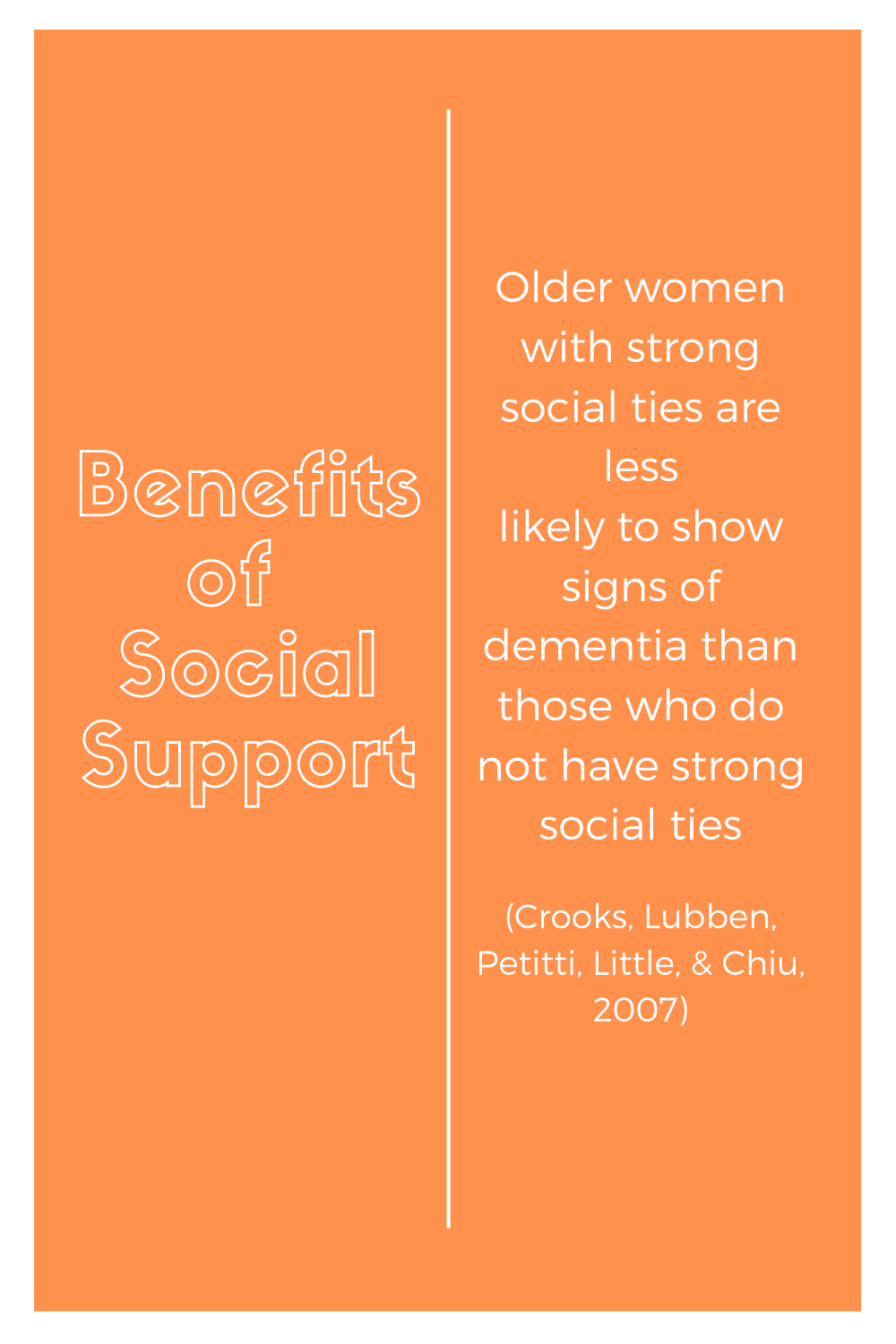
Believe it or not, this is honestly a crucial area!  Assess who is truly in your innermost circle, and who is in your “outer” circle.

  • Do those closest to you energize you and bring you peace, or do you find that they drain you mentally and emotionally?
  • Do you have family and/or friends who are honest with you as well as supportive, rather than critical?
  • Do you have a support circle who helps you find solutions? 
  • Do you feel safe being honest in return with those in your circle?  

SPIRITUAL:

While this area may not seem important enough to be in the top 5, I can assure you from my personal experience that it truly is!  If you know me, you already know that I absolutely and unashamedly love Jesus.  He is my Savior, my Heavenly Father,  Redeemer, best friend, healer, comforter, conscience, etc.  Without faith in someone bigger than myself, I would feel lost.  My strength literally comes from Him.  I know that He is in control, and that in order to get the very most and best out of my life, I need to be anchored in Him and in His Word.  Being part of an active, Bible-believing church family feeds my heart, mind, and soul.  It gives me an opportunity to be fed spiritually and an opportunity to serve others.  All of these things are so very important!  So, let’s assess a few spiritual health areas:

  • Are you plugged into a faith-based community?
  • Are you feeding your faith?  This can include worship and/or prayer services, small groups, Bible studies, and Bible study groups.
  • Are you serving in some capacity?  Are you giving of yourself – not just money, but your talent and your time?
  • Are you practicing counting your blessings as much, if not more, than your problems?

Take a few minutes to honestly assess yourself in all of these areas.  I would encourage you to make notes.  You know I love the idea of journaling.  If you aren’t already journaling, start one today.  Make any notes you have about this wellness audit.  Writing these things down can help you in SO many ways!  Maybe you’re finding that you’re a little better off than you originally thought!  That’s a very encouraging thing to have written – to see it in print, not just thinking it.  If you find that you have more areas to improve than you thought, writing them down gives you a “ground zero” to start with!  Write any ideas you have to improve, then make a plan to get started.

For the physical topic, list the things that you are most concerned about.  How can you improve these things?  First of all, if something is a challenge to you – you need to do more of it!  For example, if walking up any set of stairs is a struggle for you – then you decide today that you are going to take every set of stairs you see!  Yes, it will be hard at first – you’ll definitely be out of breath, and it might take you longer to get there than taking an elevator.  But after a couple of weeks, you’ll find that it’s easier!  If getting up and down is difficult for you – make a plan to put exercises into practice daily that will make that easier for you.  (Mix in squats, lunges, crunches, plank.) Here’s the thing – every single one of us is aging.  As our bodies age, fitness abilities, flexibility, and mobility will disappear if we don’t use them.  However, no matter how old you are, it’s never too late to improve!  We will all need to maintain balance, flexibility, and mobility as we age to remain active and independent.  You have nothing to lose (except your excuses) and everything to gain!

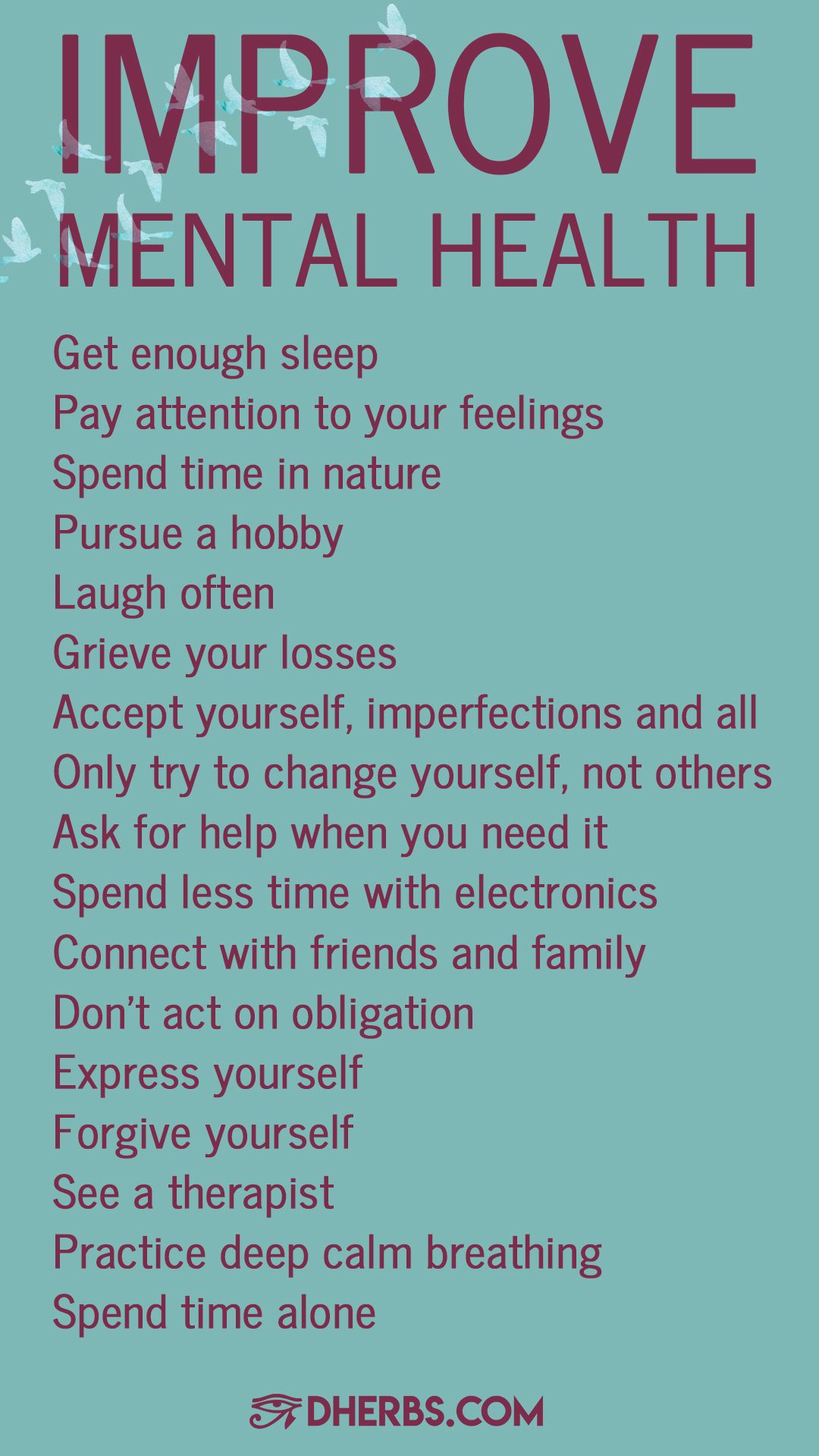
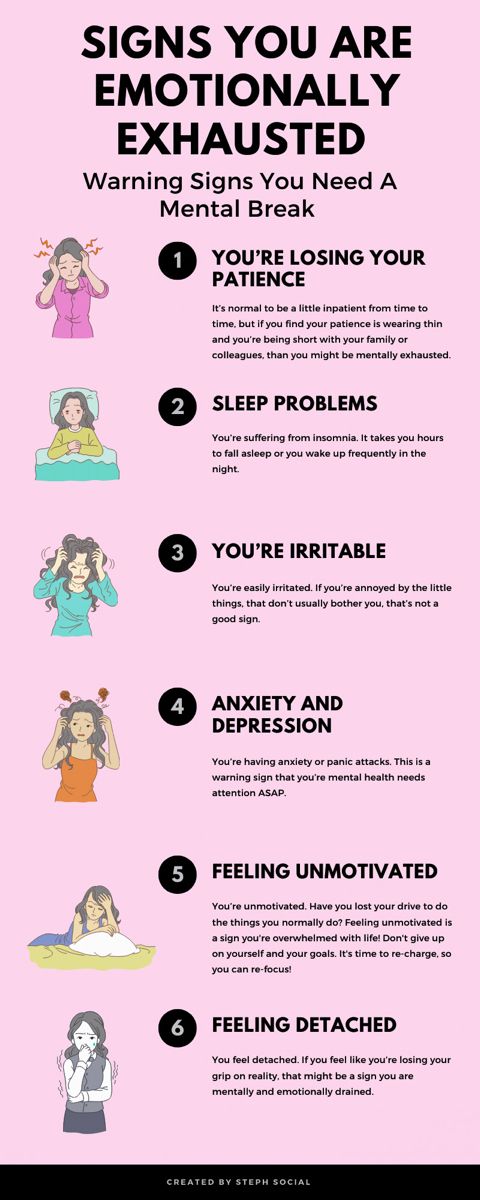
How do you feel about your mental and emotional audits?  These are choices, my friends.  The spiritual and social areas directly feed into these as well.  Time with Jesus and a strong faith make you more mentally and emotionally stable and strong.  A strong support group will do the same, and can certainly be found in a faith-based community like a church home or Bible study group.  And of course, when you are physically active and have an exercise program and healthy nutrition, your mood and stress level are positively affected!  Get out your calendar and write down times each day that you will move – get outside for a walk, take an exercise class, plug in an at-home exercise program.  Write down a day that you will grocery shop, and a day that you will prepare your meals in advance.  Plan your meals, then make your grocery list and DO NOT deviate from that list!

Look at what you can improve rather than focus on what needs improvement!   Set new goals (small, easy to achieve and big) and make a plan for yourself to reach them.  As you implement steps, you’ll find that you are more encouraged and determined to succeed which pushes you to continue.  Once you reach a small goal, you’ll find that you feel much more confident and motivated to crush other goals!

A personal trainer or wellness coach can certainly help you break these things down and make a new plan that is 100% doable.  I can promise you that it is more than worth the investment.  I would love to help you be the very best you can be!  Please feel free to contact me to talk about your wellness audit and goals!

A Mother’s Legacy

Happy Mother’s Day to all of my mommy friends, and to all of our mothers!  Hopefully we all have precious childhood memories of our own mothers.  I know that not all of us have had ideal childhoods, but you’ve pushed through to make wonderful lives on your own.  Whether our strengths were instilled because of our childhood or in spite of it, we are now leading and teaching our own children.

Regardless of age, our children are always watching us.  Our daughters and sons learn as much from watching how we handle every situation as they do from things we intentionally teach them.   We all have our own priorities on the things we are intentional about – manners, alphabet, numbers, shapes, colors, doing chores, etc.  But what are we teaching them unintentionally?  What are our habits?  What do our children see as our priorities?  Are these things the legacies we want to instill in our children?

If you make your health a priority by eating clean, whole foods and getting workouts in, your children are far more likely to do the same.  It’s nearly impossible to expect your children to eat fruits and vegetables if you don’t.  If you’re eating fast food and junk food, it will be much harder to get them to eat healthy foods at home.  Even though fast foods may be easier when our children are little, it’s definitely a hard habit to break as they grow older!  

As they grow, our children are always watching and adapt their behaviors and choices to what they learn from us.  Being a mommy is such a huge responsibility – and an unspeakable joy!  Being mindful of what we do and what we say at all times is overwhelming. . . do my boys see me pray?  Do they see me reading my Bible?  Do they hear me speak respectfully to cashiers, servers, doctors, nurses, etc.?  Do my words and my actions match?  

Not one of us is perfect!  Give yourself some grace, sweet mama.  I’m certain your little, or not-so-little anymore treasures know that they are loved.  Teach them about Jesus!  I believe that taking responsibility for our mistakes and allowing them to see that we are actually human teaches them amazing lessons as well.

Just keep loving those babies, give yourself some grace, and make sure you take time for yourself!  None of us can pour from an empty cup, and letting your family see that you’re investing in your mental and physical health is so important.  That in itself is teaching something valuable to them!

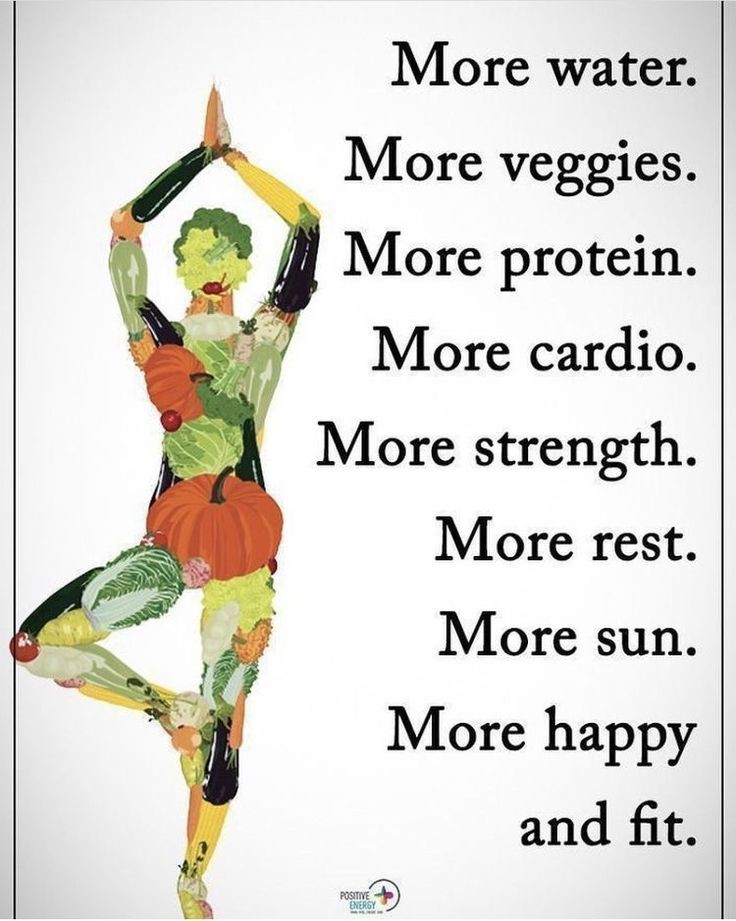
Take care of yourself – drink lots of water, eat clean fruits and vegetables, get fresh air, sunshine, some exercise, and rest.  And Happy Mother’s Day to you!

May Day!

Welcome to May!  We finally made it to warmer, sunnier days – and soooo much closer to summer!  As a teacher and a mom, I can attest to how busy and straight up chaotic May can be.  We have spring sports, banquets, testing, teacher appreciation, Mother’s Day, and ALL of the end of the school year things.  The end of the school year is even more hectic than the Christmas season!  Hang in there Mom – we’ve got this!

As our lists of places to be and things to do grows, please don’t let that distract you from your goals!  We may have to be more creative at getting our workouts in, or much more intentional about how and when we meal prep.   Just do not put your own health on a back burner.

Let’s look at some options that might help us get through this busy season with our goals being crushed along the way!  

1. Nutrition is our top priority.  Even if you get in all of your workouts, but you aren’t fueling your body well, you’re really just wasting your time and energy.  

  • Make a grocery list.  Shop only from this list, and don’t let cravings get in the way.  Maybe even order online and pick up your groceries to maximize your time and minimize your time browsing the aisles in the store.
  • Pick your least busy day or days to prepare your meals ahead of time.  Separate portions out for meals, and pack them away in your refrigerator.  It will be super easy to grab a meal and go!
  • Utilize protein shakes and protein bars when you’re going to be out and about.  Make wraps (instead of sandwiches with bread) that can be eaten on the go without the need for reheating.  Even a snack of apples and peanut butter will stave off hunger and prevent that trip through a fast food drive through.

2. Busy schedule?  Then go ahead and review your calendar and schedule your workouts for the week.  I mean actually write it in or enter it on your phone’s calendar.

  • Do you need to get up earlier?  Maybe watch a little less television?  (Or maybe watch while you’re working out at home) Set yourself up for success by carving out time just for you – just 20 to 30 minutes each day will add up!
  • Pack your gym bag the night before and go ahead and put it in the car!  Leave yourself no excuses.  
  • This includes charging your headphones and putting them in your purse or gym bag the night before as well.  
  • Maybe it’s helpful to just leave a pair of socks, sports bra, and leggings or shorts in your bag – just in case.
  • Working out at home? Set your alarm for 45 minutes before you normally would to give yourself enough time to get a workout in before jumping in the shower.  Have to run the kids to school first?  Go ahead and be dressed to workout when you take them so you can get started as soon as you get home – before tackling that to-do list.
  • At the very least, get outside for a walk in the sunshine!  The fresh air and natural Vitamin D will be a wonderful boost, energizing activity, and stress reducer for you.  Have a dog who needs to go out?  Instead of just letting him or her out in the yard, put that leash on and go for a walk!  At least walk laps around your yard while your pup sniffs and explores.

3. Start a to-do list!  Keep pen and paper handy, or use a notes app on your phone.  Each time you remember something that has to be done or something new comes up, go ahead and add it.  It sounds like more work, but I promise it helps tremendously to see the tasks ahead of you.  Maybe multiple  things can be handled in one trip.  Maybe you can coordinate all of your computer and communications oriented tasks together.  I absolutely love being able to check things off as I go!  That relieves stress just to see tasks taken care of.

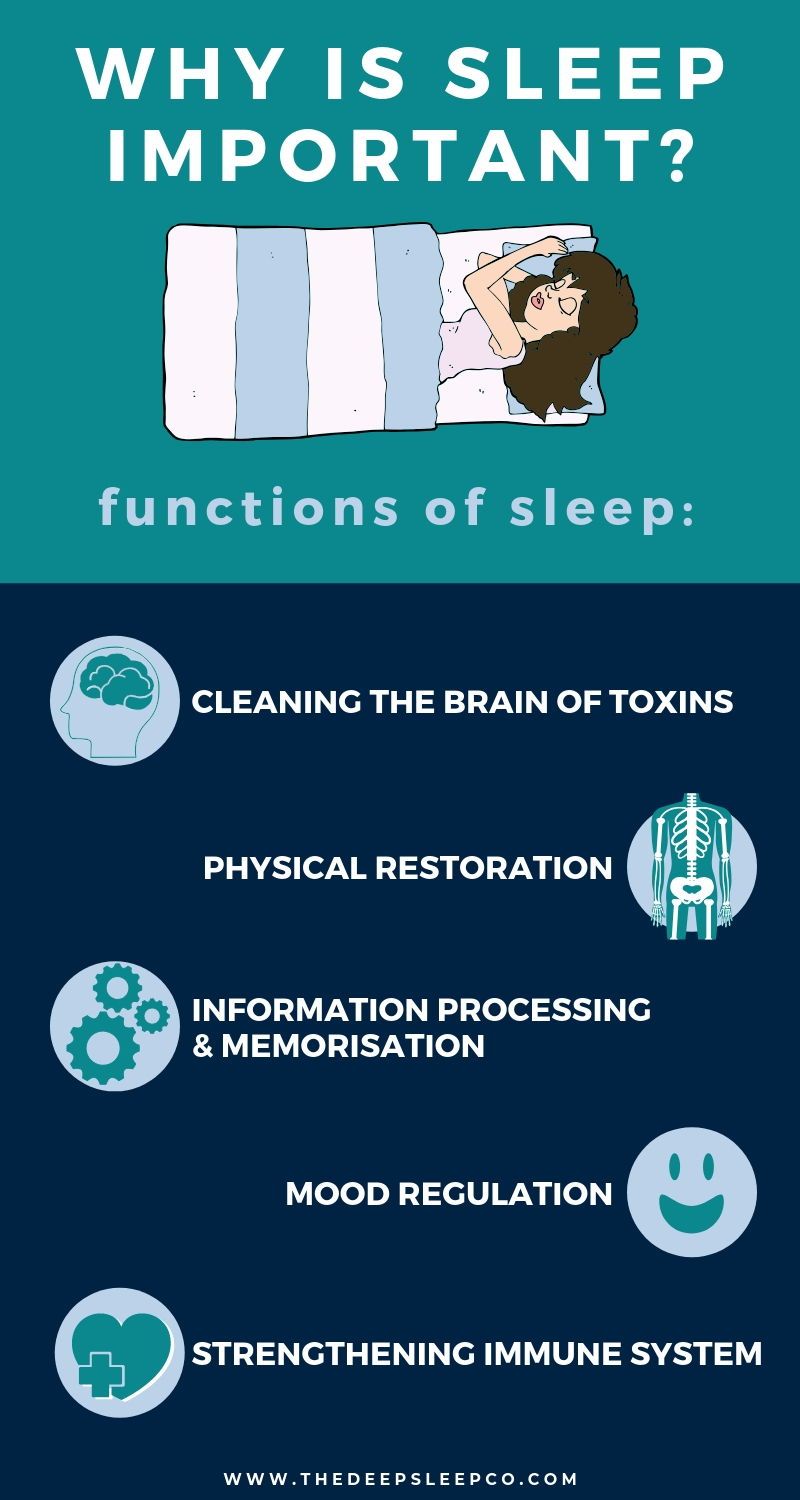
4. Keep your bedtime routine!  Even with more things needing to be done, add these last-minute thoughts to your to-do list, and leave yourself time to wind down.  You’ll be able to function much better, and your brain will be less foggy with a good night’s sleep.  

  • Feeling too stressed to sleep?  Maybe use a sound machine or sound app on your phone. I use a sound machine to play ocean waves at night, and it is most definitely relaxing!
  • Save a few minutes before bed to practice a little restorative yoga!  Practice the deep breathing, and get in some relaxing stretches to help your body and mind relax.
  • Turn off the tv and set your phone down about 30 minutes before turning in.  Maybe read a book or drink some Calm tea.

5. Drink. Your. Water.  Even though you might feel the need to load up on coffee and/or sodas to keep your energy up, water is your best bet!  Coffee, teas, and sodas will leave you dehydrated.  By all means, enjoy a cup or two of coffee!!!  I mix my coffee in with my protein and collagen each morning.  It’s filling, and so easy to take with me as I start my day.   But, make sure you drink plenty of water every day.  As the temperatures go up, our bodies will need extra water.  


May is wonderful, and summer is close!  I realize first hand that this means we have a lot on our plates, my friends.  We can certainly handle it all like champions, AND maintain our own personal fitness/wellness journeys.  I know we can do it!  Please feel free to read over all of the options on this site for boot camps, yoga classes, and personal training with me.  And please email me at Fitteachermom@aol.com, or reach out to me through my Contact Me link on this site if you would like to chat about your goals or how I can help you reach them!  I would love to help you reveal all the wonderful things you are capable of!

Amazing Antioxidants

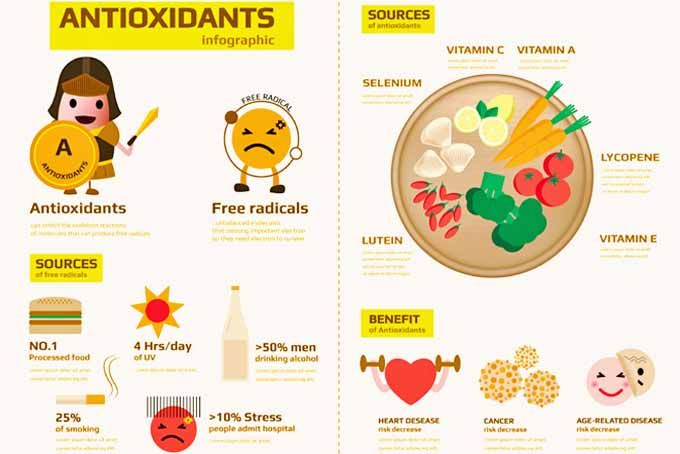
The prefix ‘anti’ means against, in opposition to, or corrective in nature. In this case, the ‘anti’ in antioxidant describes the effect these chemicals have against oxidants.  

Oxidants, usually referred to as ‘free radicals’ are produced as a natural by-product of the millions of biochemical processes undertaken by the body every minute. The same life-giving oxygen that supports all the functions of the body creates these harmful by-products which cause cell damage, usually to DNA, fats and proteins.  

Free radicals also enter the body through external influences such as exposure to the sun, pesticides and other kinds of environmental pollution. In addition, their levels are increased by mental and physical stress, the consumption of alcoholic beverages, unhealthy foods, and cigarette smoke. 

In much the same way as oxidation causes rust on cars, oxidation inside the body causes a breakdown of cells. If the amount of free radical oxidation in the body is allowed to rise to an unhealthy level, it can result in extensive damage to cellular components and can accelerate the aging process.  

More importantly, it may contribute to a wide range of degenerative illnesses and reduce the body’s ability to deal with other problems, including cardiovascular malfunction, eye disease, and cancer. 

Additionally, it may result in a compromised immune system, leading to immunological disorders and a lessening of the body’s ability to heal wounds and overcome infections. Some studies indicate possible links to arthritis and similar chronic conditions.  

Antioxidants counter these effects by binding with free radicals before they can cause damage. They then convert them into non-damaging biochemical substances, assisting enormously with the reparation of cellular damage.  

Certain antioxidant enzymes are produced within the body. The most well known of these are catalase, superoxide dismutase and glutathione: 

Catalase converts hydrogen peroxide into water and oxygen.  

Superoxide dismutase breaks antioxidants down into hydrogen peroxide. 

Glutathione is a detoxifying agent, changing the form of toxins so that they are easily eliminated by the body.  

This is a lot of science and proof that we need these vitamins and minerals daily for optimum health and wellness. And yes – carbs are where the antioxidants are! Yet another reason to include the “smart” carbs into your daily nutrition.

Other antioxidants can be consumed through the diet. Some of the better known include the antioxidant vitamins beta-carotene, vitamin B6, vitamin C and vitamin E.  

Minerals such as selenium, zinc, glutathione and co-enzyme Q10 may also have antioxidant properties, and so may flavonoids such as cranberry, some amino acids, plus organic extracts from milk thistle and the tree known as ginkgo biloba.  

A diet rich in fresh fruits and vegetables provides a large supply of these antioxidants, to help eliminate damaging free radicals. The highest concentrations are found in fruits and leafy green vegetables, such as carrots, orange and red peppers, spinach and tomatoes.  

Cooking can destroy some antioxidants and interfere with the body’s ability to absorb them, so eating raw vegetables and fruit, and including sprouts in the diet can help. Steaming vegetables as opposed to frying, microwaving or boiling is also a good idea. 

Antioxidants are best taken in combination, since single antioxidants, such as vitamin E, need other vitamins in order to work as an effective antioxidant. Food and natural supplements may therefore provide the most bioavailable source of antioxidants. Natural products from the rainforests of the world are some of the best sources of natural antioxidants ever found. Fruits like the acai berry are amazing in the health world because of the wide range and high number of antioxidants they contain, making them a perfect source of antioxidants. It’s no wonder that the acai berry has been dubbed one of the top 10 “superfoods” in the world.

EAT ALL THE COLORS!

Antioxidants are all the rage today.  And, justifiably so.  Remember, antioxidants help neutralize free radicals which cause cell damage, which ultimately can lead to diseases of the heart and cancer.  It seems everywhere you go it’s blueberry this and blueberry that.  You have your choice of wild blueberry juice, blueberry-pomegranate juice, blueberry-cranberry juice and so on and so on.  

Now, don’t get me wrong.  I love blueberries.  But, in our rush to embrace the latest antioxidant food craze (blueberries, cranberries, pomegranates) we’re ignoring some very high-antioxidant foods that are probably sitting ignored in our cupboards.

“What?”  You ask, “What could possibly be higher in antioxidants than my beloved wild blueberry?”  Well, how about the small red bean?  That’s right, I said “bean.”  The small red bean actually has more antioxidants per serving size than the wild blueberry.  And the red kidney bean and pinto bean have more antioxidants per serving size than a serving of cultivated blueberries.  

What other foods are high in antioxidants?  For starters, there are artichoke hearts, blackberries, prunes, pecans, spinach, kale, russet potatoes and plums.  And, no, that’s not a mistake.  Russet potatoes are on the list of foods high in antioxidants.  

The truth is, there are many common foods high in antioxidants and you should not just restrict yourself to one particular food source.  Why?  Well, have you ever heard the expression, “eat your colors?”  That refers to the fact that foods are in different color “families” containing different types of antioxidants which have different benefits.  For example, the yellow-orange color family of peaches and nectarines help our immune systems.  The purple-red color family of foods (pomegranates, plums, berries) helps reduce inflammation.  It’s important to eat foods from all color groups to reap the full benefits of antioxidants.

The good news is that you can eat healthy foods high in antioxidants (by eating them raw, cooking them, or juicing them yourself) without having to pay a high price for the “flavor of the month” antioxidant juices being peddled in the supermarkets.  

So, give your blueberries some company at the dinner table.  Invite some beans, spinach, potatoes and artichoke hearts and enjoy your antioxidants!

Faith & Fitness

Never forget that investing in your health and wellness is not selfish, and can actually be an investment in your loved ones.  Love is not only a feeling, it’s also very much a verb.  Making healthy choices nutritionally and physically are actions you can take to insure you will be healthy and able to take care of your loved ones.   On this holiest of weekends, remember that our bodies are His temple.  After the resurrection and ascension, Jesus sent the Holy Spirit to be with us, and He lives in our hearts.  What we do with our bodies and what we put into our bodies – we do to His Temple.  

By making healthy choices, we protect and strengthen our immune systems, our mobility, our stamina – our overall wellness.  Being our healthiest enables us to take care of our families and friends!  Are you fit to serve?  On His last day with the disciples, Jesus served them; He washed their feet, fed them, and prayed for them.  We can follow His example in the simplest of ways in our communities. 

  • Practice random acts of kindness to strangers!  Just hold the door for someone to enter or exit after you.  Let another driver turn out of a store into the gap in front of you.  Give your smile to someone who seems grumpy.  Offer to return someone’s buggy to the store as you walk in.  Compliment another person; if you think to yourself that someone has pretty hair or a beautiful smile – TELL THEM! 
  • Take a turn to serve in your church service!  Even if it means getting out of your comfort zone.  Greet visitors.  Hold babies.  You can make another person’s visit, and possibly their worship experience better!  Allow someone who always serves to sit and truly worship!  You just might realize that you’re blessed above and beyond what you expected.
  • In the gym!!  Encourage someone you see that is a new member or seems to be struggling.  If someone inspires or motivates you – tell them!  Re-rack weights that someone else leaves laying around (yes it’s annoying!  But maybe it helps someone coming after you who might not be as strong as you, AND it sets a great example!)
  • Make your families’ favorite meal randomly.  Have a movie night with your family without needing an occasion.  Leave encouraging or loving notes hidden around the house for your family to find.

For ourselves, we can set such a strong example for our families and friends!  Easter is very much a sweet season, and treats abound.  Moderation is key!  We all know that alcohol consumption is dangerous and should be at a minimum.  Did you ever consider that sugar is every bit as intoxicating and addictive as any alcoholic beverage or drug?   Just take cupcakes and/or donuts into any classroom for the children, then sit back and watch their behaviors change.  The same holds true for adults.  Remember the earlier blog about sugar?  It hides in SO many foods and drinks!  Even spaghetti sauces and other canned products.     Taking in too much sugar consistently is so toxic to our bodies and detrimental to our health and wellness.  It increases inflammation in our guts and in our joints, causes brain fog, increases blood sugars, increases body fat, suppresses our immune systems, and contributes to cardiovascular problems and diabetes.

The Old Testament gives us plenty of reminders of what God intended for us.  The Garden of Eden was all perfect, natural fruits and vegetables and animal proteins.   Even Daniel and his cousins ate vegetables rather than the richer foods offered and were rewarded for it!    Choose your nutrition wisely, and look for clean, natural foods over enriched, processed foods.  Shop around the outside of the grocery store, selecting fresh produce over canned.  Frozen from fresh without preservatives is a great option.  Always check the ingredients list – the fewer ingredients, the better!  If you’re buying frozen green beans, all you want is green beans, not a lot of ingredients that you can’t pronounce!  

Easter is only one weekend – celebrating THE MOST INCREDIBLE event in a believer’s life.  Celebrate what Jesus has done, every single day.  Enjoy your family and friends.  Enjoy an occasional treat, for sure.  Just don’t fall back into that sugar and processed foods hole, and don’t ever stay there.  I promise you that you will feel better if you’re getting clean, healthy, whole foods into your body.  Food is fuel, remember?  If you don’t believe me, then prove me wrong.  Cut out the fast foods, processed foods and junk foods.  Eat healthy for one week.  Most people honestly have no idea how good our bodies are designed to feel!  Remember – God designed our bodies.  He created us with a purpose!  We need to be healthy enough to fulfill that purpose!

Happy Easter!