Amazing Antioxidants

The prefix ‘anti’ means against, in opposition to, or corrective in nature. In this case, the ‘anti’ in antioxidant describes the effect these chemicals have against oxidants.  

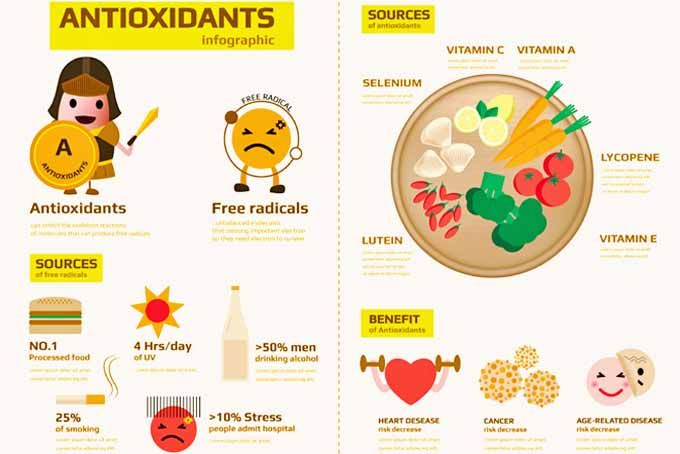
Oxidants, usually referred to as ‘free radicals’ are produced as a natural by-product of the millions of biochemical processes undertaken by the body every minute. The same life-giving oxygen that supports all the functions of the body creates these harmful by-products which cause cell damage, usually to DNA, fats and proteins.  

Free radicals also enter the body through external influences such as exposure to the sun, pesticides and other kinds of environmental pollution. In addition, their levels are increased by mental and physical stress, the consumption of alcoholic beverages, unhealthy foods, and cigarette smoke. 

In much the same way as oxidation causes rust on cars, oxidation inside the body causes a breakdown of cells. If the amount of free radical oxidation in the body is allowed to rise to an unhealthy level, it can result in extensive damage to cellular components and can accelerate the aging process.  

More importantly, it may contribute to a wide range of degenerative illnesses and reduce the body’s ability to deal with other problems, including cardiovascular malfunction, eye disease, and cancer. 

Additionally, it may result in a compromised immune system, leading to immunological disorders and a lessening of the body’s ability to heal wounds and overcome infections. Some studies indicate possible links to arthritis and similar chronic conditions.  

Antioxidants counter these effects by binding with free radicals before they can cause damage. They then convert them into non-damaging biochemical substances, assisting enormously with the reparation of cellular damage.  

Certain antioxidant enzymes are produced within the body. The most well known of these are catalase, superoxide dismutase and glutathione: 

Catalase converts hydrogen peroxide into water and oxygen.  

Superoxide dismutase breaks antioxidants down into hydrogen peroxide. 

Glutathione is a detoxifying agent, changing the form of toxins so that they are easily eliminated by the body.  

This is a lot of science and proof that we need these vitamins and minerals daily for optimum health and wellness. And yes – carbs are where the antioxidants are! Yet another reason to include the “smart” carbs into your daily nutrition.

Other antioxidants can be consumed through the diet. Some of the better known include the antioxidant vitamins beta-carotene, vitamin B6, vitamin C and vitamin E.  

Minerals such as selenium, zinc, glutathione and co-enzyme Q10 may also have antioxidant properties, and so may flavonoids such as cranberry, some amino acids, plus organic extracts from milk thistle and the tree known as ginkgo biloba.  

A diet rich in fresh fruits and vegetables provides a large supply of these antioxidants, to help eliminate damaging free radicals. The highest concentrations are found in fruits and leafy green vegetables, such as carrots, orange and red peppers, spinach and tomatoes.  

Cooking can destroy some antioxidants and interfere with the body’s ability to absorb them, so eating raw vegetables and fruit, and including sprouts in the diet can help. Steaming vegetables as opposed to frying, microwaving or boiling is also a good idea. 

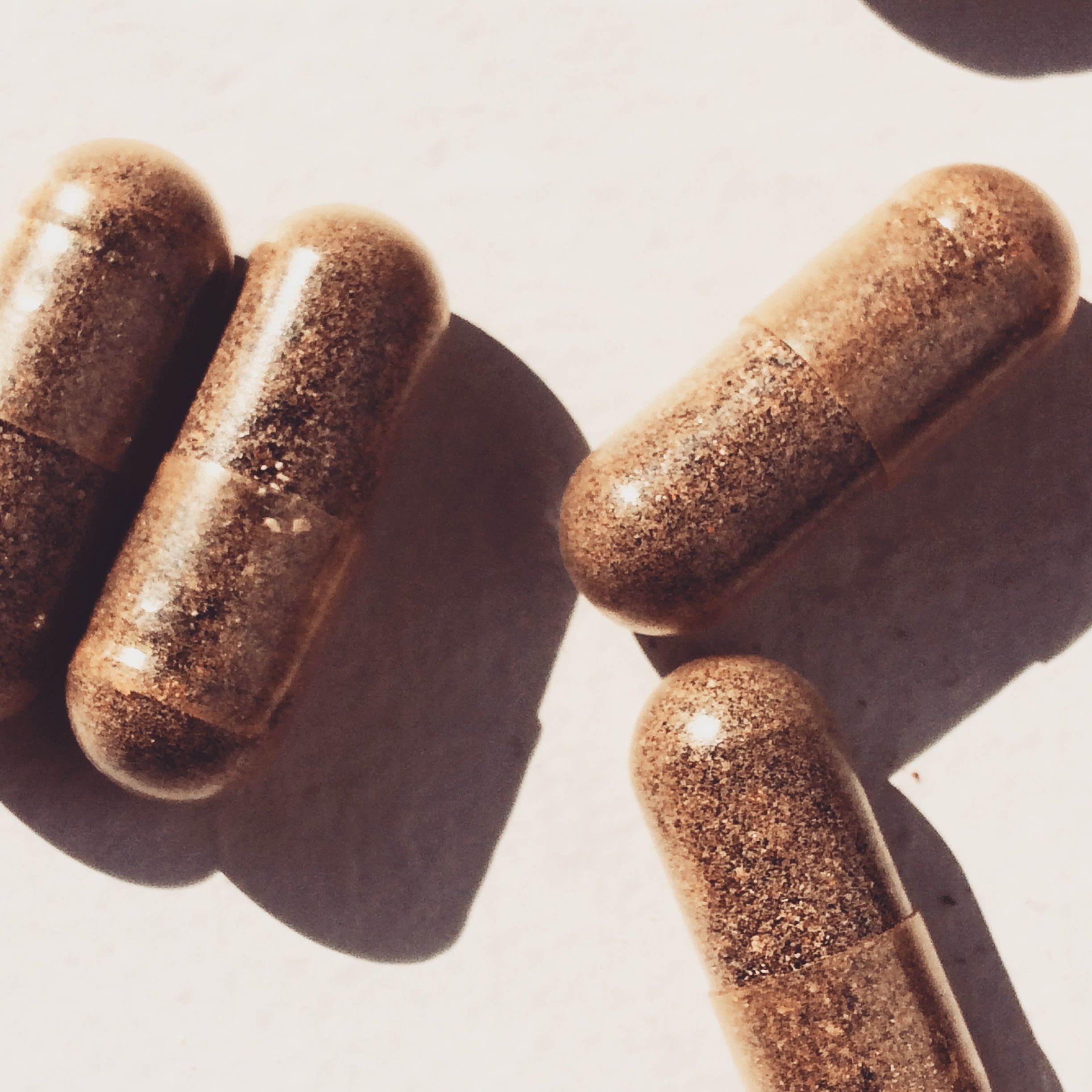
Antioxidants are best taken in combination, since single antioxidants, such as vitamin E, need other vitamins in order to work as an effective antioxidant. Food and natural supplements may therefore provide the most bioavailable source of antioxidants. Natural products from the rainforests of the world are some of the best sources of natural antioxidants ever found. Fruits like the acai berry are amazing in the health world because of the wide range and high number of antioxidants they contain, making them a perfect source of antioxidants. It’s no wonder that the acai berry has been dubbed one of the top 10 “superfoods” in the world.
EAT ALL THE COLORS!

Antioxidants are all the rage today.  And, justifiably so.  Remember, antioxidants help neutralize free radicals which cause cell damage, which ultimately can lead to diseases of the heart and cancer.  It seems everywhere you go it’s blueberry this and blueberry that.  You have your choice of wild blueberry juice, blueberry-pomegranate juice, blueberry-cranberry juice and so on and so on.  

Now, don’t get me wrong.  I love blueberries.  But, in our rush to embrace the latest antioxidant food craze (blueberries, cranberries, pomegranates) we’re ignoring some very high-antioxidant foods that are probably sitting ignored in our cupboards.

“What?”  You ask, “What could possibly be higher in antioxidants than my beloved wild blueberry?”  Well, how about the small red bean?  That’s right, I said “bean.”  The small red bean actually has more antioxidants per serving size than the wild blueberry.  And the red kidney bean and pinto bean have more antioxidants per serving size than a serving of cultivated blueberries.  

What other foods are high in antioxidants?  For starters, there are artichoke hearts, blackberries, prunes, pecans, spinach, kale, russet potatoes and plums.  And, no, that’s not a mistake.  Russet potatoes are on the list of foods high in antioxidants.  

The truth is, there are many common foods high in antioxidants and you should not just restrict yourself to one particular food source.  Why?  Well, have you ever heard the expression, “eat your colors?”  That refers to the fact that foods are in different color “families” containing different types of antioxidants which have different benefits.  For example, the yellow-orange color family of peaches and nectarines help our immune systems.  The purple-red color family of foods (pomegranates, plums, berries) helps reduce inflammation.  It’s important to eat foods from all color groups to reap the full benefits of antioxidants.

The good news is that you can eat healthy foods high in antioxidants (by eating them raw, cooking them, or juicing them yourself) without having to pay a high price for the “flavor of the month” antioxidant juices being peddled in the supermarkets.  

So, give your blueberries some company at the dinner table.  Invite some beans, spinach, potatoes and artichoke hearts and enjoy your antioxidants!

Faith & Fitness

Never forget that investing in your health and wellness is not selfish, and can actually be an investment in your loved ones.  Love is not only a feeling, it’s also very much a verb.  Making healthy choices nutritionally and physically are actions you can take to insure you will be healthy and able to take care of your loved ones.   On this holiest of weekends, remember that our bodies are His temple.  After the resurrection and ascension, Jesus sent the Holy Spirit to be with us, and He lives in our hearts.  What we do with our bodies and what we put into our bodies – we do to His Temple.  

By making healthy choices, we protect and strengthen our immune systems, our mobility, our stamina – our overall wellness.  Being our healthiest enables us to take care of our families and friends!  Are you fit to serve?  On His last day with the disciples, Jesus served them; He washed their feet, fed them, and prayed for them.  We can follow His example in the simplest of ways in our communities. 

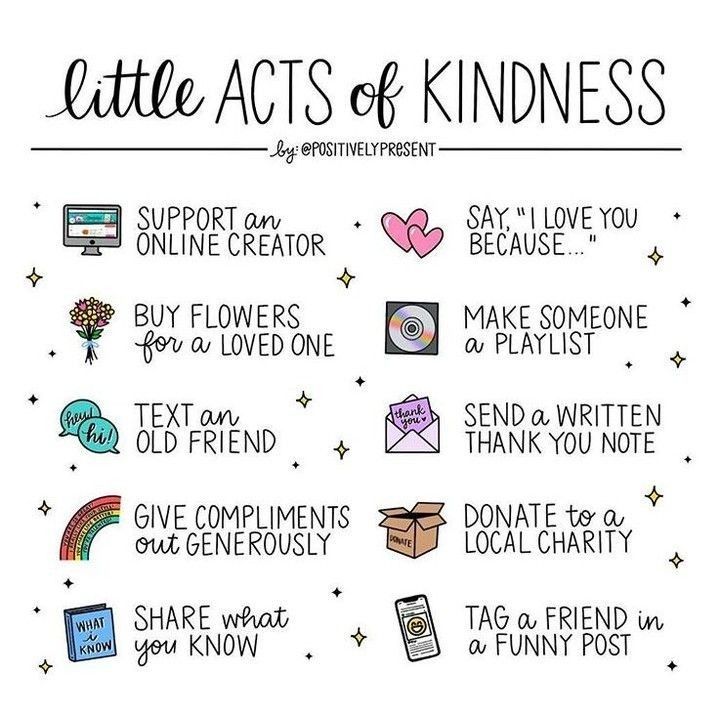
  • Practice random acts of kindness to strangers!  Just hold the door for someone to enter or exit after you.  Let another driver turn out of a store into the gap in front of you.  Give your smile to someone who seems grumpy.  Offer to return someone’s buggy to the store as you walk in.  Compliment another person; if you think to yourself that someone has pretty hair or a beautiful smile – TELL THEM! 
  • Take a turn to serve in your church service!  Even if it means getting out of your comfort zone.  Greet visitors.  Hold babies.  You can make another person’s visit, and possibly their worship experience better!  Allow someone who always serves to sit and truly worship!  You just might realize that you’re blessed above and beyond what you expected.
  • In the gym!!  Encourage someone you see that is a new member or seems to be struggling.  If someone inspires or motivates you – tell them!  Re-rack weights that someone else leaves laying around (yes it’s annoying!  But maybe it helps someone coming after you who might not be as strong as you, AND it sets a great example!)
  • Make your families’ favorite meal randomly.  Have a movie night with your family without needing an occasion.  Leave encouraging or loving notes hidden around the house for your family to find.

For ourselves, we can set such a strong example for our families and friends!  Easter is very much a sweet season, and treats abound.  Moderation is key!  We all know that alcohol consumption is dangerous and should be at a minimum.  Did you ever consider that sugar is every bit as intoxicating and addictive as any alcoholic beverage or drug?   Just take cupcakes and/or donuts into any classroom for the children, then sit back and watch their behaviors change.  The same holds true for adults.  Remember the earlier blog about sugar?  It hides in SO many foods and drinks!  Even spaghetti sauces and other canned products.     Taking in too much sugar consistently is so toxic to our bodies and detrimental to our health and wellness.  It increases inflammation in our guts and in our joints, causes brain fog, increases blood sugars, increases body fat, suppresses our immune systems, and contributes to cardiovascular problems and diabetes.

The Old Testament gives us plenty of reminders of what God intended for us.  The Garden of Eden was all perfect, natural fruits and vegetables and animal proteins.   Even Daniel and his cousins ate vegetables rather than the richer foods offered and were rewarded for it!    Choose your nutrition wisely, and look for clean, natural foods over enriched, processed foods.  Shop around the outside of the grocery store, selecting fresh produce over canned.  Frozen from fresh without preservatives is a great option.  Always check the ingredients list – the fewer ingredients, the better!  If you’re buying frozen green beans, all you want is green beans, not a lot of ingredients that you can’t pronounce!  

Easter is only one weekend – celebrating THE MOST INCREDIBLE event in a believer’s life.  Celebrate what Jesus has done, every single day.  Enjoy your family and friends.  Enjoy an occasional treat, for sure.  Just don’t fall back into that sugar and processed foods hole, and don’t ever stay there.  I promise you that you will feel better if you’re getting clean, healthy, whole foods into your body.  Food is fuel, remember?  If you don’t believe me, then prove me wrong.  Cut out the fast foods, processed foods and junk foods.  Eat healthy for one week.  Most people honestly have no idea how good our bodies are designed to feel!  Remember – God designed our bodies.  He created us with a purpose!  We need to be healthy enough to fulfill that purpose!

Happy Easter!  

Navigating the World of Supplements, Part Two

There are SO many herbs and supplements to aid in boosting immunity, aid in digestive health, and boosting overall wellness.  

Digging into part two!  Let’s look at four more supplements. . . Flax seed, Glucosamine, Vitamin B12, and Collagen. Read below for more about each one!

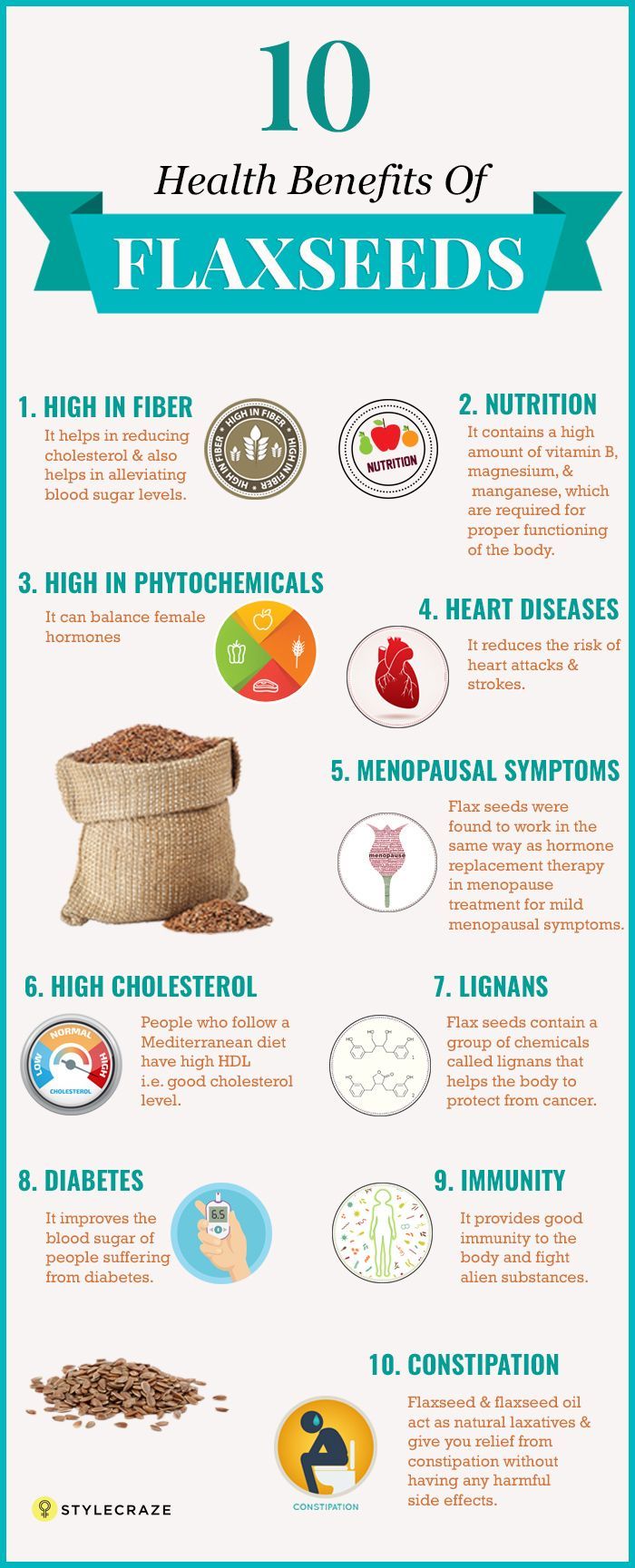
  1.  Flaxseed and flax oil:  I’ve done a blog earlier all about flaxseed and the multiple benefits.  I researched several resources – WebMD, Cleveland Clinic, HealthLine, BetterMe, and Women’s Health to find that they all agree on the top benefits.  These are:
  • Omega 3 essential fatty acids:  These are the “good” fats that have been proven to improve heart health.
  • Prevent cancer:  Many recent studies show that flaxseed may have protective effects against certain cancer cells.  The plant omega 3 fatty acid found in flaxseed inhibited tumor growth in some studies.
  • Lignans:  These have both antioxidant and estrogen properties.
  • Helps prevent Cardiovascular disease:  The plant omega 3 fatty acids are at work again!  Flaxseed also has anti-inflammatory properties that aid in normalizing the heart beat.  Newer research shows that flaxseed also can aid in lowering blood pressure AND cholesterol.  There have also been studies showing that diets which include flaxseed omega 3’s aid in preventing the hardening of arteries!
  • Helps decrease inflammation:  Two components in flaxseed, ALA and lignans, may help reduce the inflammation that accompanies certain illnesses. 
  • Helps decrease hot flashes:  Many studies have proven that the addition of flaxseed decreases not only the occurrence of hot flashes, but also the severity.  I can attest to this personally.  I am post menopausal, but recently I felt “under siege” with hot flashes.  My personal research and discussions with dieticians and nutritional experts convinced me to add flaxseed into my daily diet.  It may take up to two weeks to feel the full result, but it definitely works!  Initially I added 2 tablespoons of ground flaxseed into my protein coffee.  I’m now using flaxseed oil.  I have seen a definite decline in how often the hot flashes occur, as well as in how severe and how long they last.  I definitely recommend the use of flaxseed – if for no other reason than help with these!
  • Boosts immunity:  Flaxseeds are a great source of magnesium, which is a mineral essential for the proper function of our nervous system.  It also helps regulate our blood sugar levels, and can reduce symptoms of anxiety, depression and even migraine headaches.  If you’re experiencing any of the following, you may have a magnesium deficiency – diabetes, cardiovascular disease, osteoporosis, insomnia, and migraines.  Try adding in some flaxeed!
  • Promotes weight loss:  Due to the high fiber content of flaxseed, it can help improve your gut health and help you feel fuller when you eat.  This also helps prevent constipation and keep your digestive system working properly.

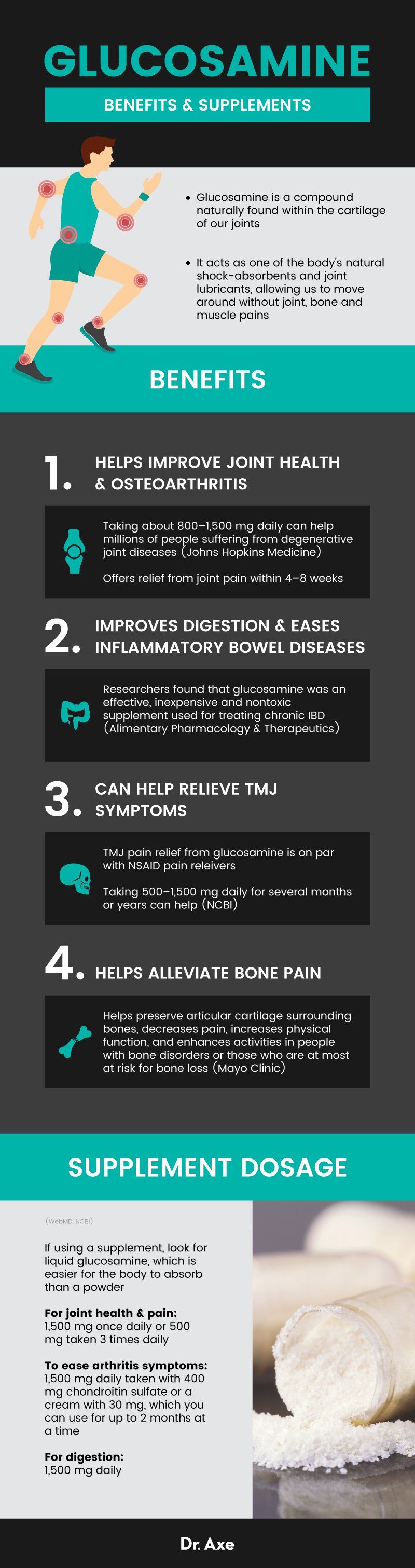
2. Glucosamine:  I’m sure everyone has at least heard a little about glucosamine, so lets’s look at why it’s one of my favorites (based on more research from WebMD, Mayo Clinic and Healthline.com)! It is produced naturally in your body and found mostly in cartilage and helps create the proteins and fats that repair our cartilage when it’s damaged.  Taking glucosamine supplements offers many benefits (particularly in our joints)!  

  • Glucosamine can reduce inflammation.  Studies have proven that regular use of glucosamine and chondroitin lowers levels of inflammation.  Regularly taking this supplement can also help lower your risk of a number of chronic conditions.
  • It may improve bone health.  Some studies have shown, specifically, that it may lower the risk of osteopororis in post menopausal women.

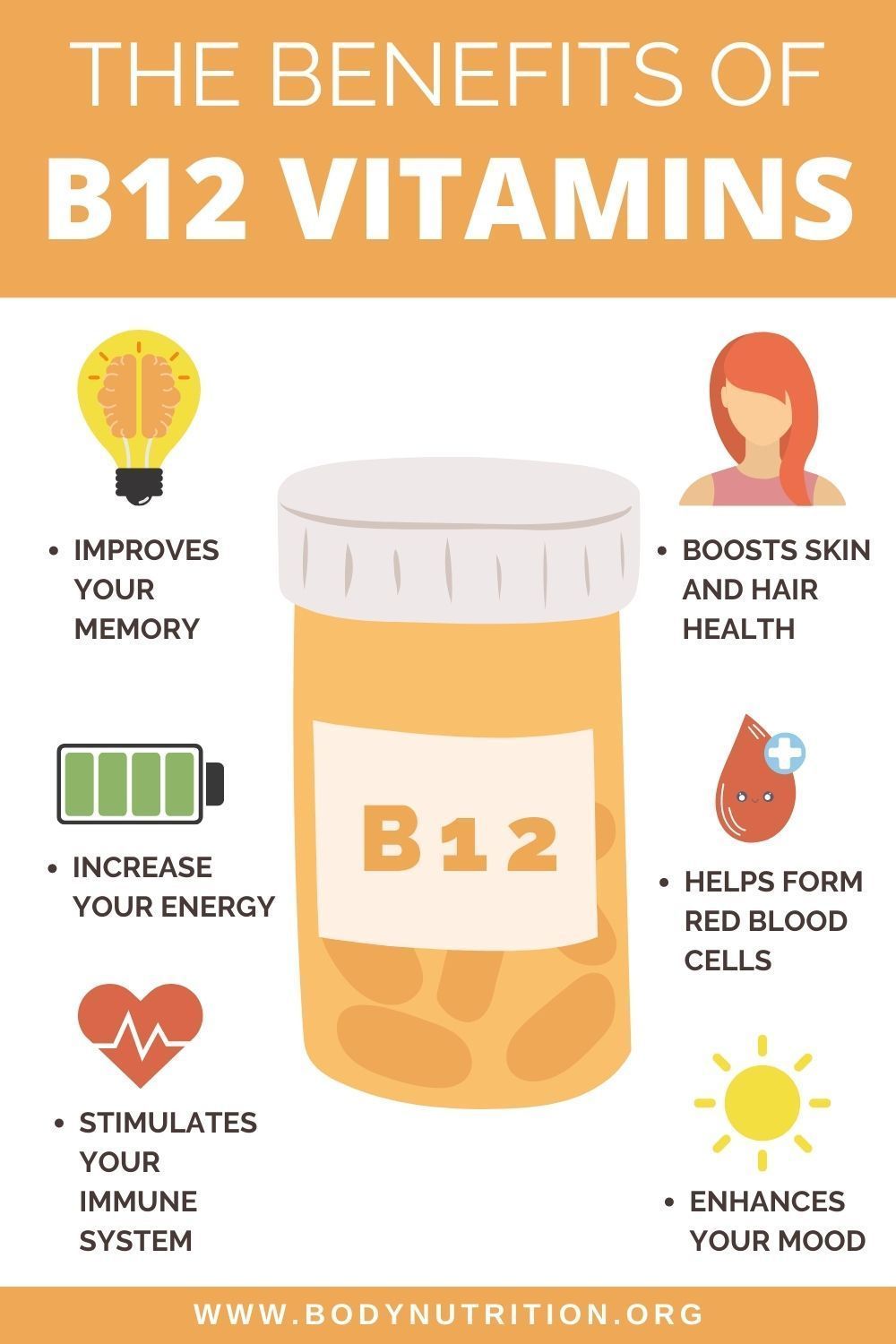
3. Vitamin B12:  This vitamin is essential for our bodies, but our bodies do not produce it naturally.  B12 has many roles in our bodies, such as supporting the normal functioning of nerve cells and is needed for the formation of red blood cells.  Researching Healthline.com I found that Vitamin B12 provides many benefits!

  • Boosts energy;
  • Improves memory;
  • Aids in preventing heart disease;
  • Prevents fatigue and weakness;
  • Aids in preventing birth defects;
  • Supports bone health and may help prevent osteoporosis;
  • Aids in reducing risk of macular degeneration;
  • Aids in improving mood and in preventing symptoms of depression;
  • May benefit your brain by preventing loss of neurons (early studies show that B12 may prevent brain atrophy, and that B12 with Omega 3’s slowed mental decline);
  • Supports healthy hair, skin, and nails;

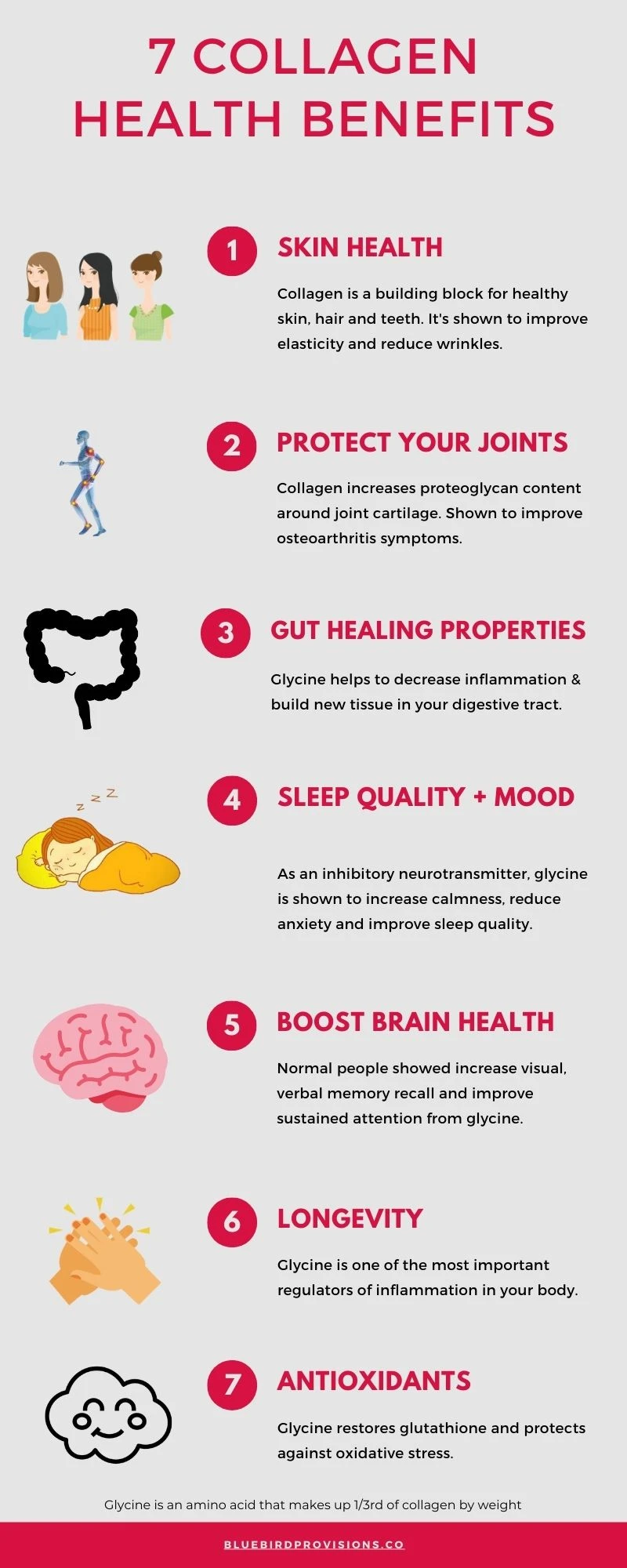
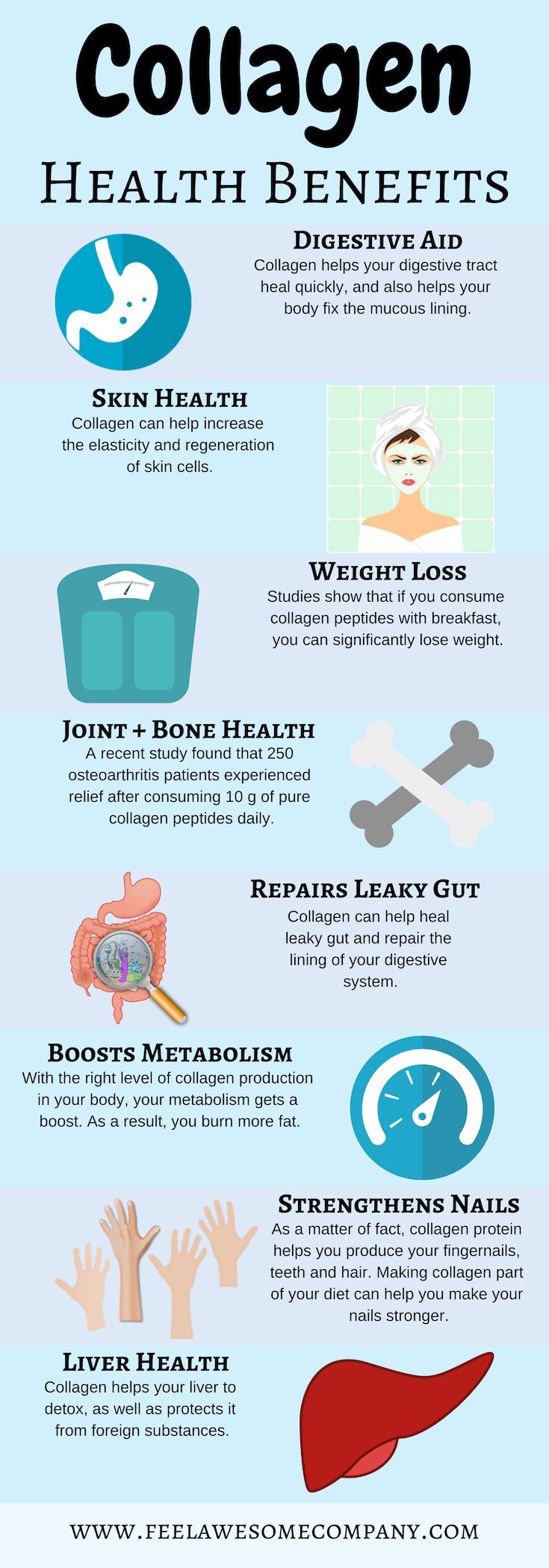
4. Collagen:  For starters, collagen is a form of protein, and it is one of the most common protein in our bodies.  It has many functions that include providing our skin with structure and strengthening our bones.

The benefits of taking collagen supplements are:

  • Improve skin health – it strengthens skin, aids in elasticity and hydration;
  • May relieve joint pain;
  • May prevent bone loss;
  • Can boost muscle mass;
  • Can promote heart health;
  • Increase strength of hair and nails;

There are SO many supplements available to us with SO many benefits! It can definitely be overwhelming. Read over these benefits and see if any, or maybe all, of these supplements will be helpful to you.  I personally use Flax oil and collagen daily in my protein shakes or coffee first thing every morning.  I also take extra Vitamin B12 in my favorite drink, Spark.  Glucosamine is one that I’ll be adding daily to help protect my joints as I age and continue to train hard.  
If you feel that getting assistance with your nutrition or workouts will help you reach your goals, please reach out to me.  I would love to help you!!
Navigating Supplements (Part 1)

There is SO much buzz on every media outlet about supplements.  Honestly, the most important thing to know is that supplements should, well supplement your existing nutrition.  No supplement should take the place of real food; your body needs the nutrients from natural, real foods.  

Which supplements are the most important?  How do I know which ones I should take?  Believe me, it can definitely be overwhelming!  And there is no one set answer for every person.  Adding supplements to your plan will depend solely on YOU – your goals, current health condition, current fitness level, etc.  Let’s look at a few basic supplements that everyone should consider adding, according to the Mayo Clinic and Harvard Health, just to name a few!   

1. Multi Vitamins:  Obviously these are most important for everyone to insure that we are making the most of our nutrition and getting all the vitamins and minerals needed.  It can get complicated due to so many brands and variations of vitamins out there.  Be sure to look at reviews and to select the formula best suited for your personal needs (age, energy level, nutritional needs).

Remember that the main purpose of a vitamin is to fill in any nutritional gaps.  There are several reasons to take a multivitamin every day:  

* They promote healthy aging;

* They are good for your heart; 

* They reduce cancer risk;

* They boost your immune system;

* They support eye health;

* They support healthier hair, nails, and skin

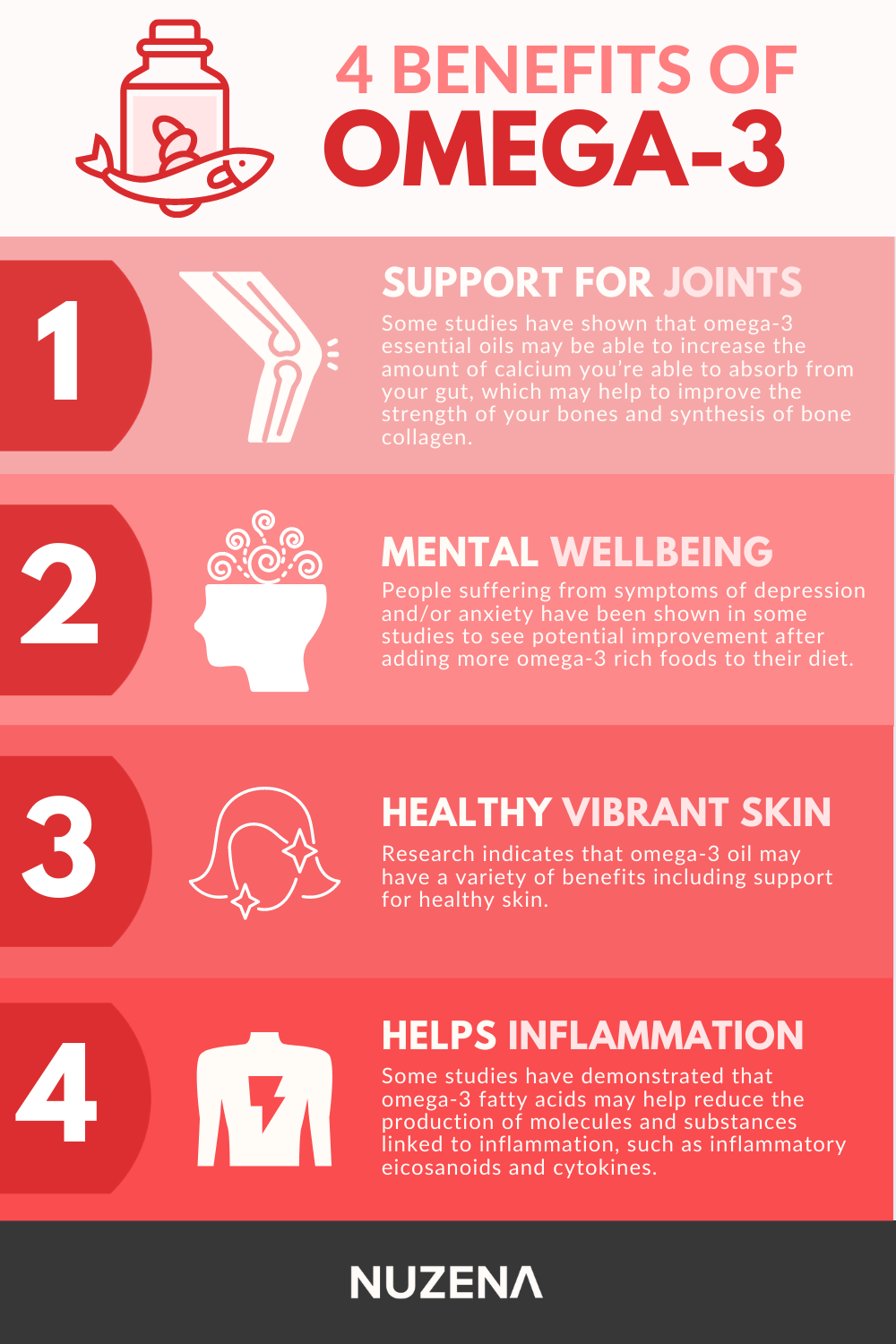
2. Omega 3 Fish oils:  You’re likely asking what’s all the fuss about Omega 3 fish oils? What do they do for my body?

Well, here you go!  Omega 3 fish oils are a substance that can be found in the bodies of fish. However, eating fresh fish is no longer recommended. The mercury levels that are prevalent in almost all fresh fish these days can be very detrimental to your health. However, companies have manufactured fish oil that is mercury free by processing the oils that naturally occur in the fish. Omega 3 is a type of fat that is essential for human health. Omega 3 contains two fatty acids that benefit the human body greatly, which are known as DHA and EPA. 

These fatty acids have been linked to helping prevent heart disease, cancer, and many other diseases. DHA is also required by the human brain. Low levels of DHA in the brain have been linked to depression, schizophrenia, memory loss, and an increased chance of being stricken with Alzheimer’s disease. Therefore, the regular and repeated consumption of Omega 3 fish oils can greatly help affect the quality of your life for the better. 

The American Heart Association recommends the use of fish oils to help your hearts performance as long as you keep your dosage under 3 grams per day, suggesting an amount roughly between 0.5 to 1.8 grams per day. Clinical trials conducted have shown that Omega 3 fish oils can reduce cardiovascular events including heart attacks, strokes, and even death.

 Also, research has shown that fish oils can help decrease the risk of arrhythmias, decrease triglyceride levels, decrease the growth rate of atherosclerotic plaque, and even slightly lower blood pressure! With all these facts, there is no doubt that the regular and responsible use of Omega 3 fish oils from supplements can be of great benefit to your health.

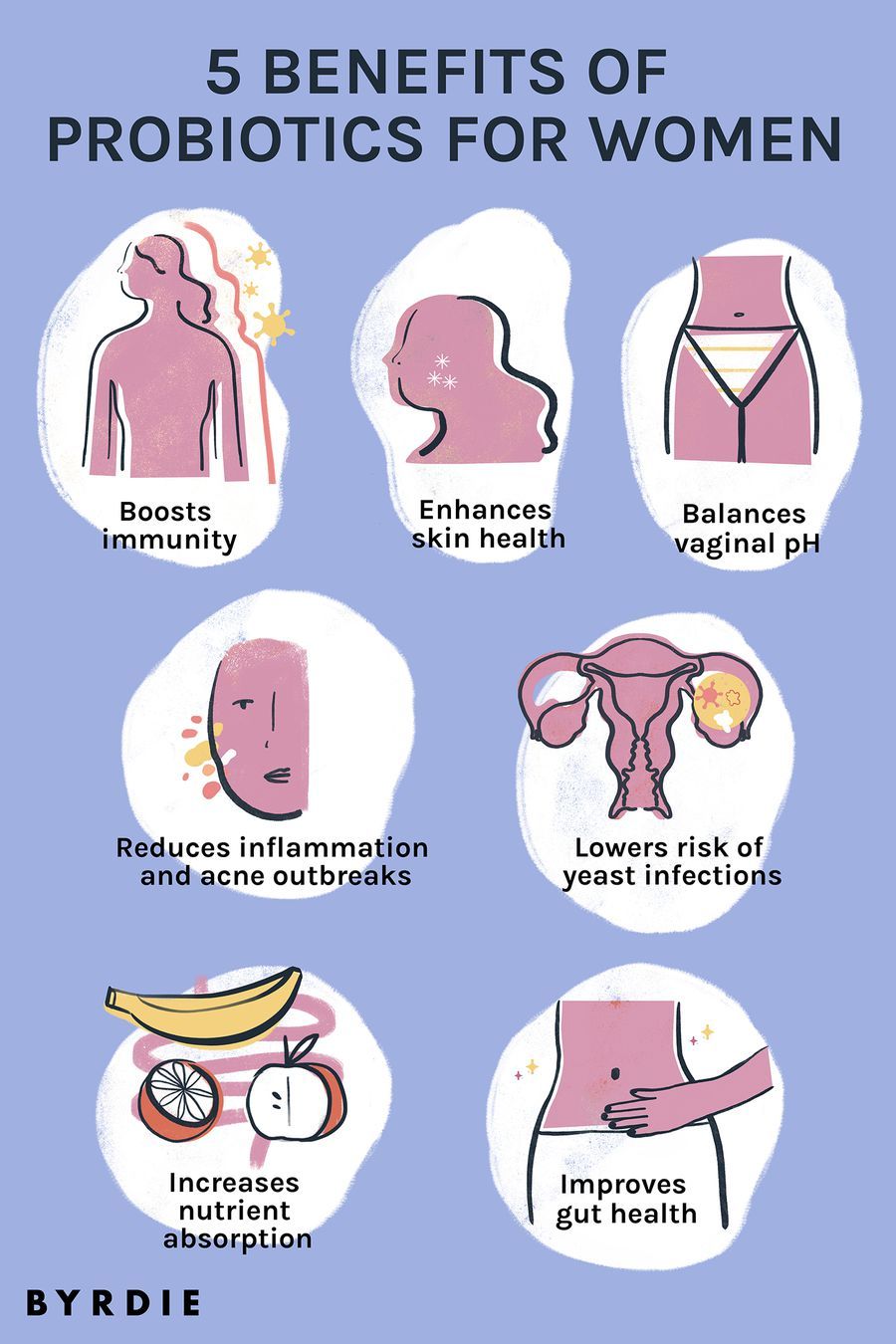
3. Probiotics:  These are foods or supplements that actually contain living microorganisms that either improve or maintain the “good” bacteria in our bodies.   The benefits of probiotics are amazing!  Remember, gut health is essential to our overall health and wellness.

* Probiotics can help prevent or treat diarrhea caused by infections or antibiotics

* Probiotics can improve symptoms of irritable bowel syndrome;

* They can boost our immune systems;

* They can reduce allergies and inflammation

If you suffer from any of the following, try adding a probiotic into your daily regimen:  

* allergies and asthma

* you’ve had food poisoning

* one or more mood disorders

* you’ve recently been on antibiotics

* you get sick often

* chronic skin conditions such as eczema or acne

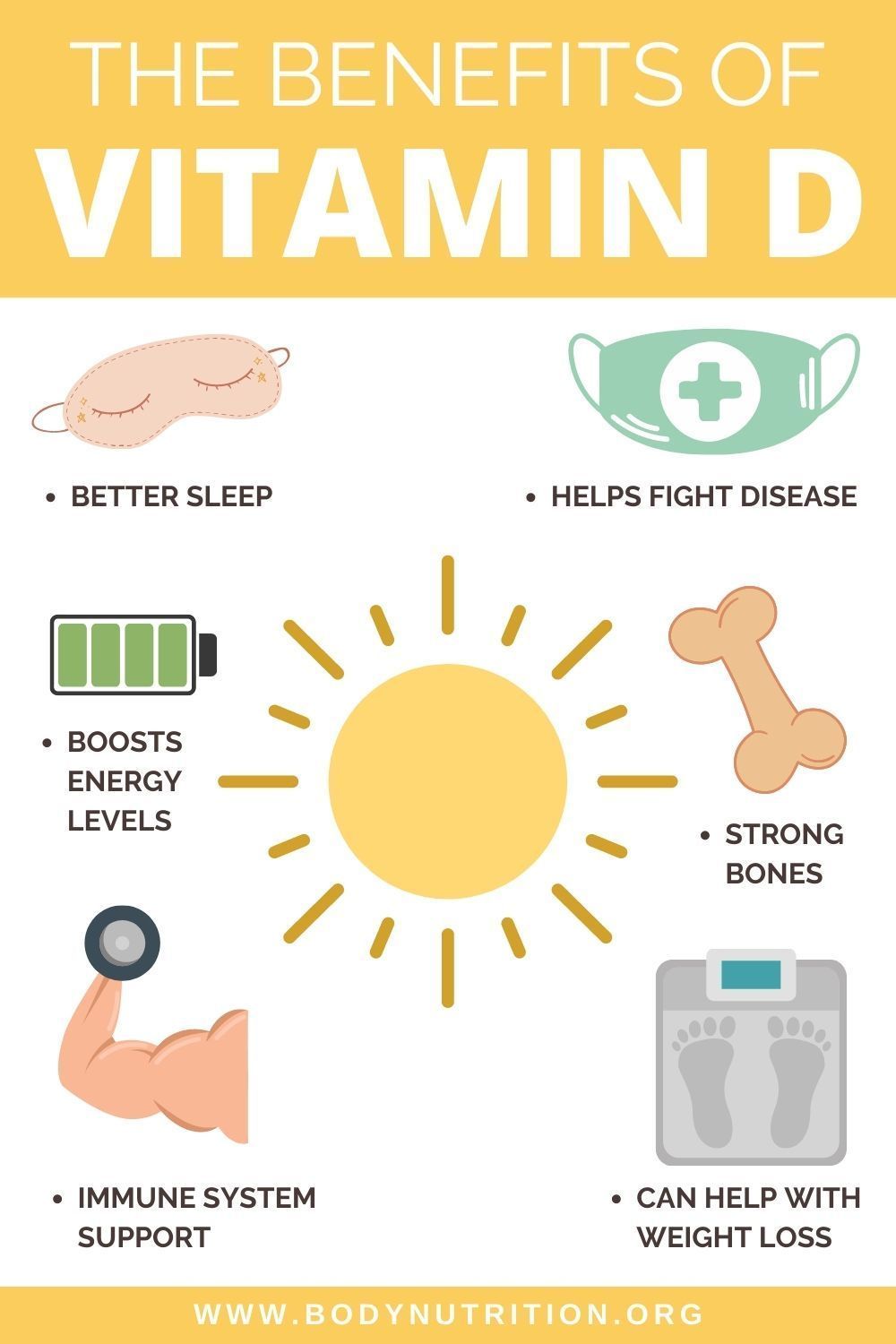
4. Vitamin D:  Of course, we would all love the opportunity to linger outdoors and soak up all the natural Vitamin D from the sun!  Depending on our jobs, where we live, seasons and weather, this isn’t always possible.  And certainly not possible to the extent that we can absorb the amount our bodies need.  This vitamin is needed for building and maintaining healthy bones, and our bodies can only absorb calcium when Vitamin D is present.  Vitamin D also regulates many cellular functions.  A deficiency of this vitamin can cause fatigue, nausea, muscle weakness, and depression.

Always check with your physician, get a full physical and have a full panel of bloodwork done to check for deficiencies. It is a very wise investment to hire a nutitionist or personal trainer to help you figure out exaclty how best to help you reach your goals and match your nutrition and supplements to an exercise plan. I would love to help you! Please reach out to me via the Contact Me link on this site!

Carbohydrates Are Our Friends!

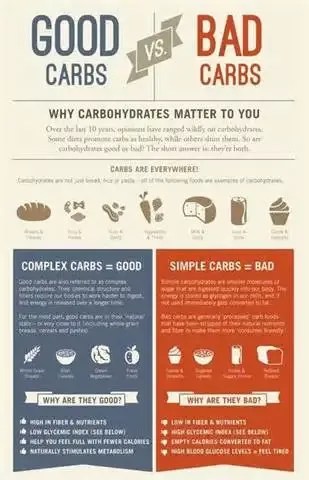
We tackled protein last week, so today we are all about those carbs!  My friends – carbs are NOT evil, and they are NOT your enemy!  You do not have to avoid them.  As you find with any and every thing, there are good and bad sources/types.  Processed, sugary foods are never healthy choices for any of us.  I suppose some forms of simple carbohydrates could be considered evil in the sense that they are SO tempting!  This covers cookies, cakes, chips, donuts, muffins, etc.  But there are SO MANY other forms of carbohydrates that are just packed with crucial nutrients that our bodies truly need!

There are various trendy diets that have led to faster weight loss for some, and there are a few who truly benefit from a true Keto diet.  However, for most of us, what we are truly looking for is sustainable weight loss by losing body fat.  Trendy diets are never successful long term because they aren’t sustainable or healthy for long term use.  Changing your lifestyle to incorporate clean, healthy nutrition is your true key to success.  Think about doing your grocery shopping around the aisles:  fresh, whole fruits, vegetables, lean meats, fish, and eggs.   When it comes to carbohydrates, there really isn’t a valid reason to avoid them when you make healthy carb choices.  For example, eat the oranges and peaches!  Avoid the containers of packaged, processed chopped oranges and peaches.  Yes, they last longer in your refrigerator; however, that means what you’re really getting is extra sugars and chemicals that are not in fresh, whole fruits.  In addition to getting the extra garbage, you end up missing out on the benefits like vitamins and minerals!  What’s the point?

Always check honest, respected sources when doing your research.  (Always, ALWAYS, research any diet or nutritional advice you get from a friend or family member, especially where fad or trendy diets are concerned,)  For our purposes today for carbohydrates, I checked into what information reidhealth.org, theclevelandclinic.com, eatingwell.com, and webmd.com had on carbs.

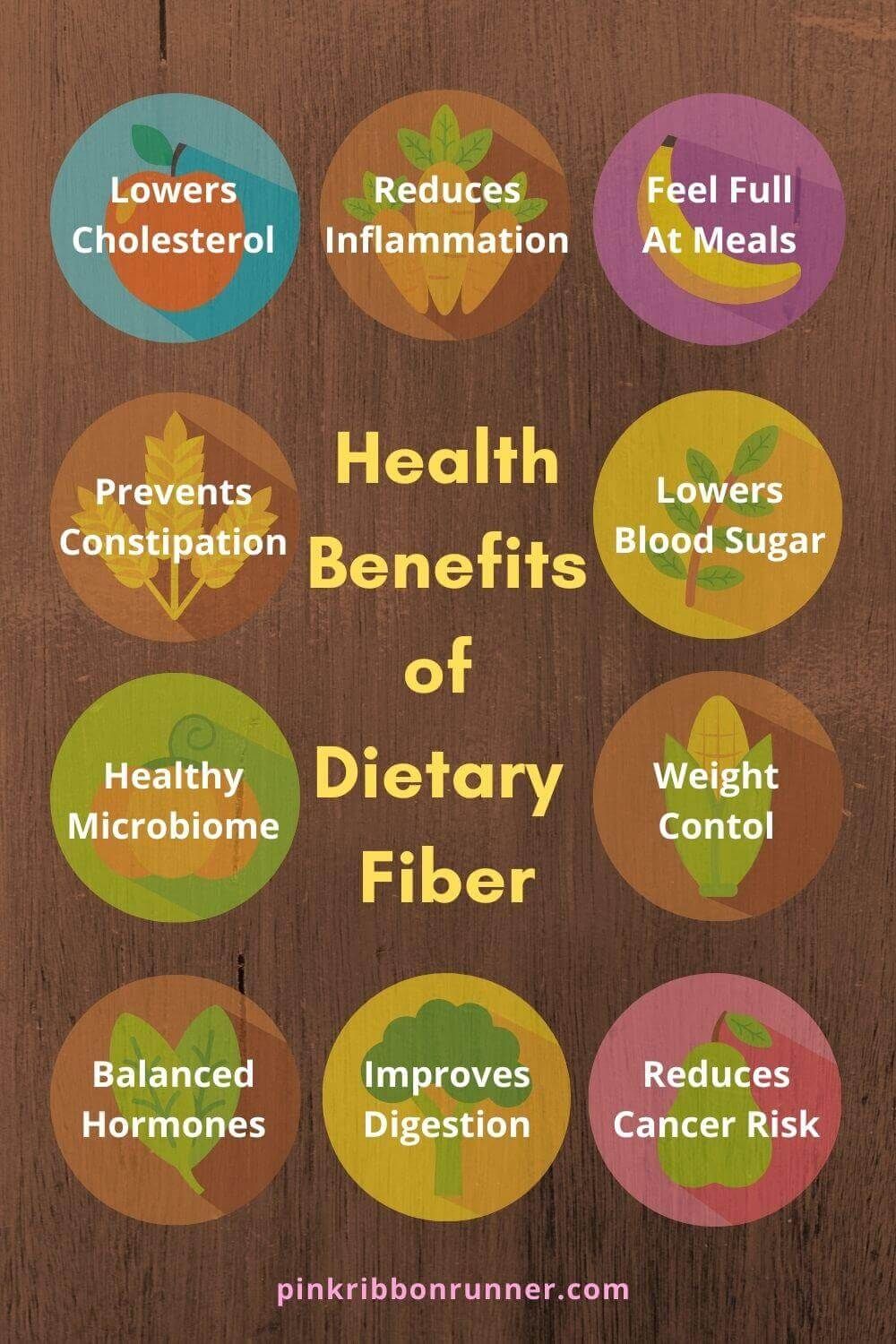
Let’s look at the benefits first:  Why do you actually need carbohydrates in your diet daily.  First of all, carbohydrates are your body’s main source of energy.  They help fuel your brain, kidneys, heart, muscles, and central nervous system.  Fiber is a carbohydrate that aids in digestion and helps you feel fuller.  Getting insufficient amounts of carbs in your diet can lead to headaches, fatigue, weakness, difficulty concentrating, nausea, constipation, bad breath, and vitamin and mineral deficiencies.  Benefits of eating healthy carbohydrates include:

  • Fuels your brain for more clear thinking
  • Helps reduce bloating as it decreases instances of constipation
  • Lowers risk of heart disease
  • Aids in better sleep
  • Decreases cancer risk
  • Increases energy
  • Aids in digestion
  • Helps burn body fat
  • Improves your mood
  • Aids in preventing weight gain, and can potentially aid in weight loss
  • Aids in trimming your waistline (when replacing processed foods with whole grains)
  • Improve your memory

Sounds great, right?!  Of course, these benefits come with the right choices in carbs rather than white, processed breads, cakes, muffins, donuts and ice cream.  I know that doesn’t sound fun, but hold on!   Good carbs can be really delicious, too!  Don’t think about what you’re denying yourself – change that thinking to looking forward to healthy choices AND the results they’ll bring!   Carbohydrates are broken down into two (2) main categories:

1. Starches/Complex Carbs

  • Whole grains
  • Potatoes
  • Yams
  • Carrots
  • Peas
  • Oatmeal
  • Quinoa
  • Beans – kidney, navy, black, pinto
  • Legumes
  • Brown rice
  • Whole-grain pasta
  • Nuts and seeds – pumpkin and sunflower seeds; almonds, cashews, and peanuts

**Non-starchy vegetables with lower grams of carbohydrates include:  leafy greens, green beans, spinach, cabbage, cauliflower, peppers, cucumbers, zucchini, and mushrooms.  

2. Sugars/Simple Carbs – be sure to include foods that contain NATURAL sugars rather than added sugars!

  • Fruits
  • Agave
  • Honey
  • Dairy products

Mix these examples of healthy carbohydrates into your diet daily, while minimizing your intake of sugars.  Where our overall health and wellness is concerned, it is best to avoid all refined sugars, processed foods and drinks.  I promise that taking in the recommended amount of healthy carbohydrates will insure you’re also getting fiber, and you will definitely feel and see the benefits!


In conclusion, our bodies need the proper amount of protein, carbohydrates and healthy fats in order for all of our systems to function best.  When we have deficiencies in these nutrients, our bodies will let us know – sometimes in unpleasant ways.  Be proactive with your health!  Clean, healthy nutrition is the answer.  If you feel that you need help in breaking it all down for yourself, or in planning grocery lists and meal plans, please reach out to a personal trainer or nutritionist.  I am more than happy to help you!  You can contact me through the Contact Me link on this site, or email me at FitTeacherMom@aol.com.

Just How Important Is Protein?

If you’ve been researching and/or talking with friends about what might be the best weight loss method, I’m sure the term macronutrients has been used.  Protein, carbohydrates, and healthy fats. . .which has led to so many “fad” or trendy diets.   The keto diet, in particular, has been touted by many as the best method.   A diet high in protein and low in carbs may be somewhat successful short-term, but it isn’t truly sustainable for most, nor should it be truly encouraged.  We all need protein!   Limiting carbohydrates is best done by cycling them and in making sure you are taking in the cleanest form of complex carbs.  Your body needs the fiber and other nutrients.

More on carbohydrates later, but for now, let’s get back to protein!!  We all need protein in our diets daily  to help our bodies repair cells and make new ones. Protein is also important for growth and development in children, teens, as well as pregnant women.  The vast majority of fitness, health, and medical resources, such as WebMD, Healthline, agree on the benefits and importance of protein!

Protein is a very critical part of the processes that fuel energy and carry oxygen throughout our bodies in our blood.  Quality protein also aids in making antibodies that fight infections and illnesses, helps maintain healthy cells, as well as creating new cells.

Let’s break down where you can find the best sources of protein first, and then the signs that you’re lacking protein:

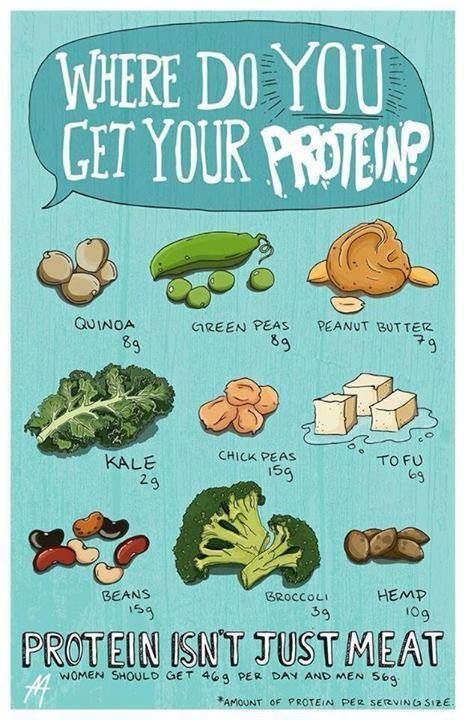
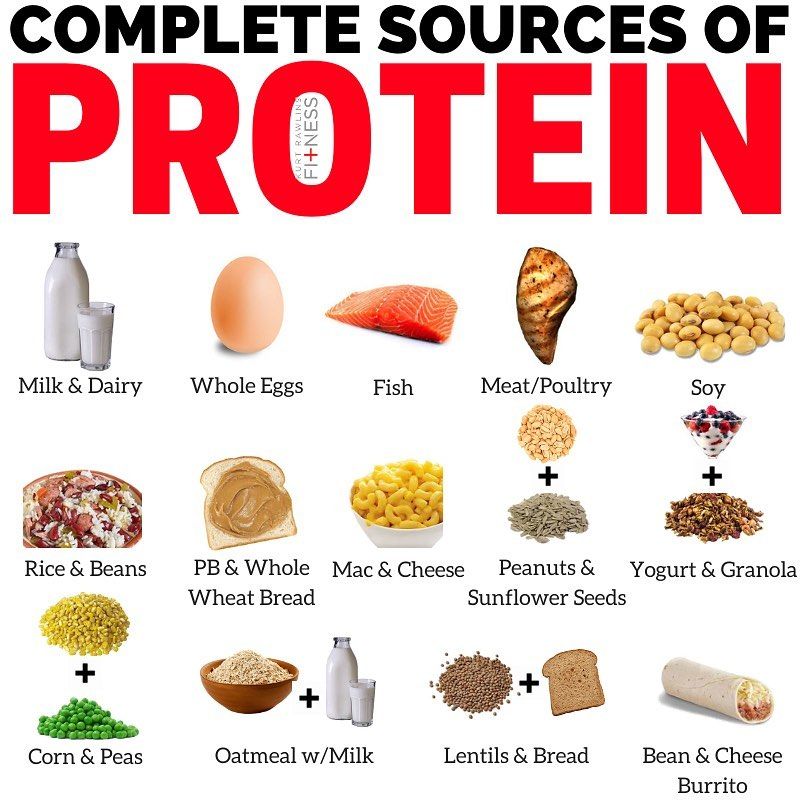
1. The best sources of quality protein can be found in various food sources, and protein supplements.  The best choices, naturally, are whole foods.

  • Fish, specifically white fish (orange roughy, tilapia, mahi, triggerfish)
  • Chicken
  • Turkey
  • Lean beef
  • Buffalo
  • Venison
  • Eggs
  • Lentils
  • Beans
  • Nuts 

2. Having a protein deficiency comes with many “warning” signs.  If you’re experiencing any of these, I recommend that you add more protein into your diet AND begin tracking your meals to insure how many grams you’re taking in each day.  (See last week’s blog about journaling!)

  • Fatigue and weakness:  A lack of protein over time can cause a loss of muscle mass, which naturally leads to losses in strength and stamina.  This loss of strength can then lead to a loss of balance and begin to affect your metabolism.  This can also lead to anemia, which makes you tired.
  • Swelling:  This one is the most surprising!  One of the more common signs that your body is not getting enough protein is edema, or swelling.  This can be evident in your abdomen, feet, legs and/or hands.  There are proteins/amino acids that circulate in your blood that help prevent fluids from building up in your tissues.  There are many other possibilities for this type of swelling, however, so always see your doctor if you have concerns!
  • Hair, Nail, and Skin problems:    The proteins of collagen, elastin, and keratin make up our hair, skin and nails.  A lack of protein leads to brittle, thinning hair; dry and flaky skin; and deep ridges in your fingernails.  
  • Hunger: Protein is a big source of energy or fuel for our bodies.  It makes sense that you’ll be hungry more often if your “tank” isn’t full.  There are many studies that have proven eating foods rich in protein help keep you feeling satisfied throughout the day.  The best example of this is  eating a donut, muffin, or sugary cereal for breakfast then feeling incredibly hungry within 30 to 45 minutes.  Try getting a protein-rich breakfast!  You’ll feel fuller longer, and you’ll find you feel better and have more energy.  
  • Injuries that won’t heal:  Collagen is one of the important proteins that is found in our connective tissues and in our skin.  Protein is also necessary for blood to clot.  A protein deficiency can cause a delay in healing for minor cuts and scrapes as well as sprains and strains.
  • Weakened Immune System:  Our bloodstreams need the amino acids found in proteins to help our immune systems make the antibodies that enable white blood cells to fight bacteria, toxins and viruses.  Protein is also necessary to aid in digestion and absorption of nutrients as we eat.

How much protein should we take in each day?  Well, that truly depends on each individual and his or her goals, but we all should be getting a minimum of 25% of our daily calories from protein.  Athletes will need a much higher amount of protein, but every single person needs clean quality protein.  

Please be very careful about any popular diets you hear or read about.  Where nutrition is concerned, trendy is rarely ever the best choice.  A successful meal plan should always consist of healthy fats, complex carbohydrates and lean proteins.   Tracking your meals and maintaining a journal can be exceptionally helpful.  Any quality personal trainer or nutritionist can help if you need nutritional guidance.  Feel free to contact me; I would love to help you!

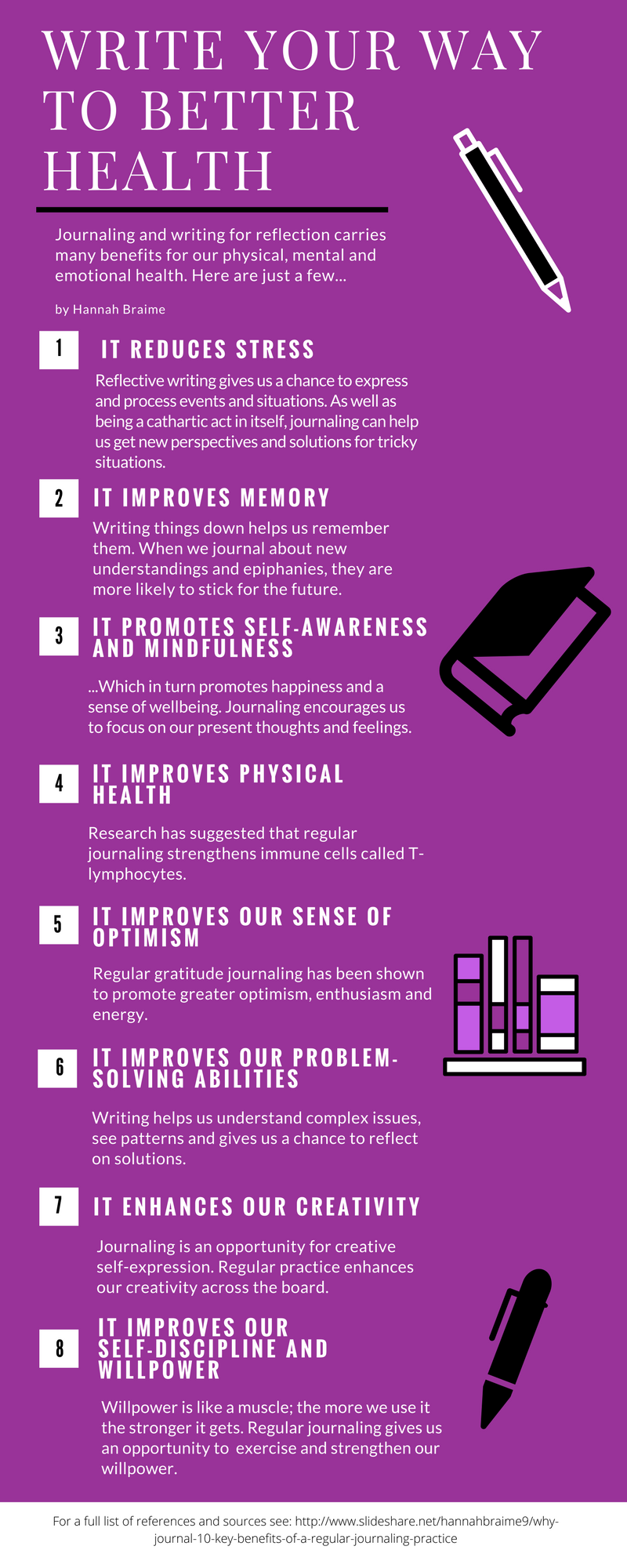
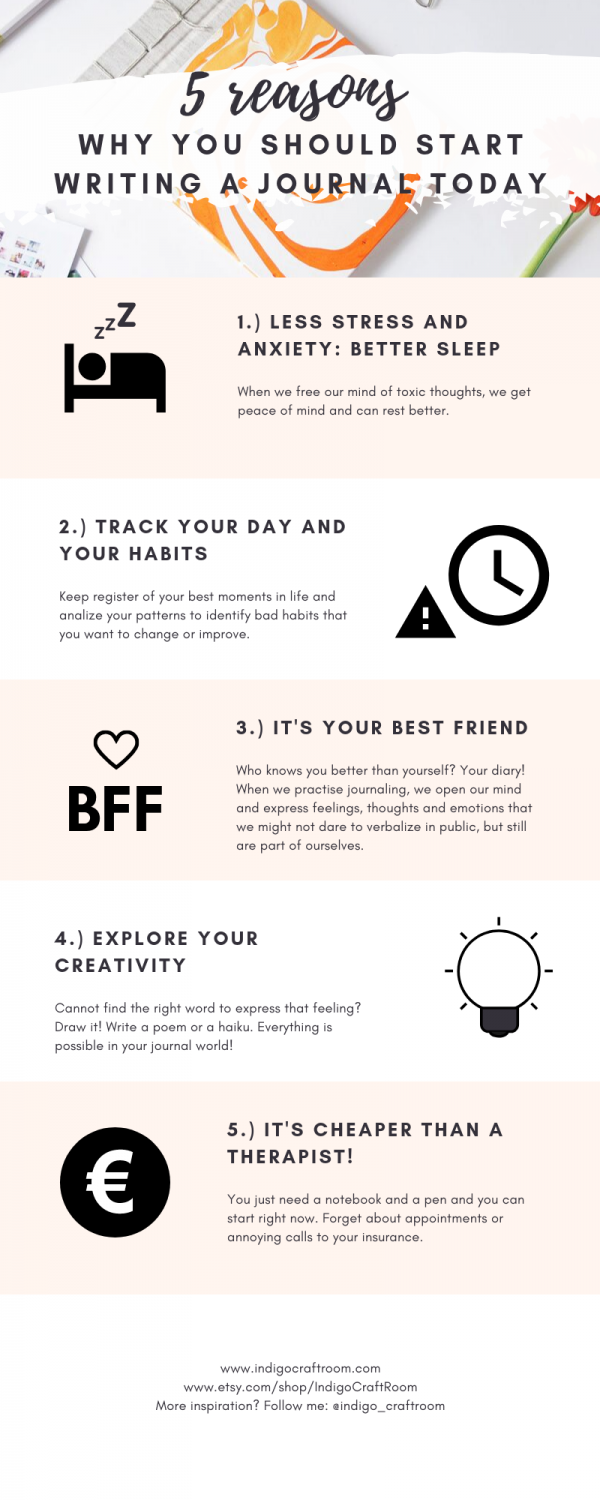
Why Should I Journal?

While maintaining a journal sounds like a time-consuming thing, it truly is beneficial!  There are many apps to aid in tracking your meals (MyFitnessPal), your workouts and stats (FitBit).  These are incredibly helpful, and honestly are crucial to my fitness journey.  However, there are things that these apps just can’t track.  In addition, you have to go from app to app in order to see your information rather than have it all in one place.  In order to know exactly what works for our bodies and what doesn’t, we should be journaling.  For example – do sweet potatoes fuel your body and aid in digestion, or have you found that they cause bloat for you?  Would you actually know which food causes issues if you aren’t journaling?  If we had a great night’s sleep one night, then an awful night a few days later, can you go back to your journal to see if something was different on those days?  

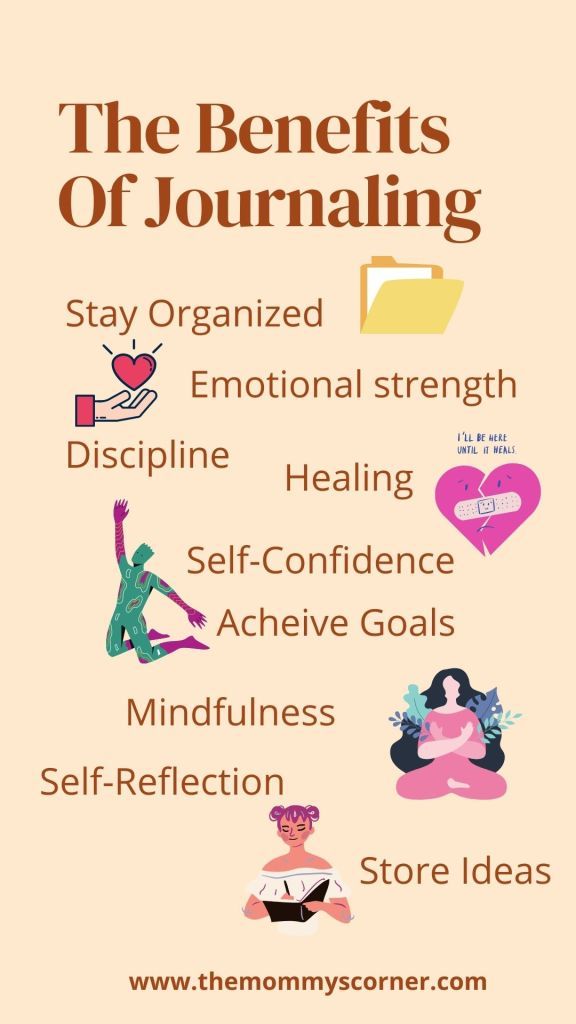
Let’s look at tangible benefits from journaling!  There are many websites, including medical ones like Kaiser Permanente, that encourage journaling, and list the benefits.

1. Journaling helps you achieve goals.  “If it ain’t written, it didn’t happen” applies here!  When you use a journal to list your goals, it can help you keep track of your inventions and progress.  Writing your goals down and listing the steps you’ll take can help keep you moving forward, and keep you motivated.

2. If you keep your journal close and make writing entries a daily habit, you can easily track your progress by looking at past entries.

3.  Seeing your progress can keep you motivated!  Once you begin to feel that you’re in a plateau, you can see how far you’ve come!  Seeing results can keep you moving and boost your confidence.

4. It seems obvious,  making journal entries will also improve your communication skills – both written and spoken.

5. Even if you’re tracking your meals in an app, keeping a journal of your meals and any adverse reactions can be extremely valuable!  You’ll have a definitive record of foods, seasonings, and any reactions (bloating, extra gas, upset stomach, indigestion, etc.)  

While some people keep journals for various reasons, you could easily combine several into one journal.  For example, instead of having a fitness journal, a food journal, and a daily/memory journal – include it all in one.  Having a written record for each day’s workouts and meals in the same journal with weekly progress updates, goals, thoughts, obstacles, observations, etc.  is your best reference and guide book for future progress.  

It might seem overwhelming, but this journal will be for you, and you alone.  YOU make it exactly what YOU need, which means you can tweak it as you go along.  Add what you need or want, and cut what you don’t want!  Some things you might want to track and keep record of for your fitness and health transformation journey might be:

* Starting weight and body measurements, clothing size

* Day 1 progress pictures

* Long-term and short-term goals

* Your plan, step by step, for achieving your goals

* Track daily workouts; this will give you visible proof of your progress.  So list:

  • Type of workout (class, run, walk, lifting, yoga, etc.)
  • Distance, time, exercises, sets, reps & weight

* Track daily meals, to include all snacks, drinks, salad dressings – everything.  Make notes for any reactions (good, unpleasant, or just different) you notice after eating.  List serving sizes.

* List your daily water intake

* Every two or three weeks, update your progress photos, weight, body measurements

* Make entries about any changes in your sleep (quality, quantity), energy levels, clothing sizes, mood

* Make entries about any illnesses or injuries, even if one day you’re feeling more fatigued than another.

Once you have a written record of all of these things, you have the perfect resource to review when something seems off.  Go back to see if you’ve noticed it before, and what seems to be the same or different from your day to day activities and nutrition.   This can be truly helpful in the event you develop a food allergy, or something in your workout routine aggravates an old injury or inflammation issue.  Keeping a record of your goals, observations, and plans as well as your daily activities gives you tremendous insight into your progress.  This can certainly keep you motivated when you look back to see just how far you’ve come!  Remember, we’re looking for ALL of the non-scale victories!!  You could find some hidden treasures of progress tucked away in your journal entries!  

It will likely help to find a really pretty notebook to start your journaling; something that you’ll look forward to digging into!  Maybe get a set of really pretty pens to go with your new journal.  Then get started!  You might find that you begin to look forward to writing things down and/or that it relieves some stress in the process! 

All About the Shoes

As fitness levels improve, workouts become more intense, and the impact on our bodies can take a toll.  As crazy as it sounds, footwear is crucial.  Are you wearing the proper shoes for the workout(s) you’re doing?  You will likely need shoes for lifting in the gym that are different from shoes you wear when running.  

With the weather warming up, most of us are more than ready to get outside!  Taking our workouts outside is an incredible idea as well.  In addition to making sure we all have proper exercise clothing, don’t forget your shoes! Similar to fingerprints, our feet are different as well.  Some of us have high arches, some have low arches, and our gaits are different as well.  Consistently wearing the wrong shoes can cause many issues, such as:

 1. Foot pain

 2. Ankle pain

 3. Knee pain

 4. Hip pain

 5. Lower back pain

     Wearing the proper footwear is incredibly important – not only to your performance, but also for your health!  Your lower back, hips, knees AND feet will reap the benefit of proper shoes; conversely, they will suffer from repeated wear of the wrong shoes.  The trick here is that our feet are nearly as different as our fingerprints, and the shoe that works best for your workout partner could well be the worst shoe for you!  

The best shoe for you will depend on your sport of choice, your gait, and your foot (high or low arches?  Pronated instep?)  The good news is that there are several athletic shoe stores that specialize in assisting you to find the proper shoe for your foot and your activity!   In the metro Atlanta area of Georgia, we have Big Peach Running Company, New Sole, and Run Fit stores.    Be sure you tell the person helping you which activity or sport you participate in so they can help you choose the very best shoe.  

Here a few tips for finding the proper shoe, according to the Athletic Shoes OrthoInfo web site:

  • If you have the luxury of different types of athletic shoe stores, try to find one that caters to your particular sport
  • Try to wait until after a run or a workout to try on shoes as your feet tend to swell throughout the day
  • To insure the best fit, wear the same socks you tend to workout in
  • Make sure the back of the shoe at your heel, the part that holds your heel in place, grips your heel comfortably and firmly to maintain stability
  • There should be at least a half inch space between your longest toe and the tip of the shoe
  • Make sure the toe box has ample room for you to wiggle your toes; your toes shouldn’t feel crammed into the tip of the shoe.
  • When you try on shoes, be sure to walk around the store on different surfaces (carpet, hard flooring, even concrete or grass if possible) in order to make sure they are comfortable.
  • Try on the right AND left shoe to insure they are comfortable and fit properly.

Finding the proper shoe for YOUR foot, and for your sport is truly important. It can get expensive, of course, but I guarantee it is a wise investment! Since my feet have really high arches, I have a pair of Topos with a wide toe box and wonderful arch support for running and other workouts. I also wear Otomix high tops for training legs. It seems silly to have two shoes for my workouts, but it truly makes a huge difference! At least take the time to have your foot and your gait analyzed to get their recommendations for your particular feet!

Don’t Sleep on the Power of Rest

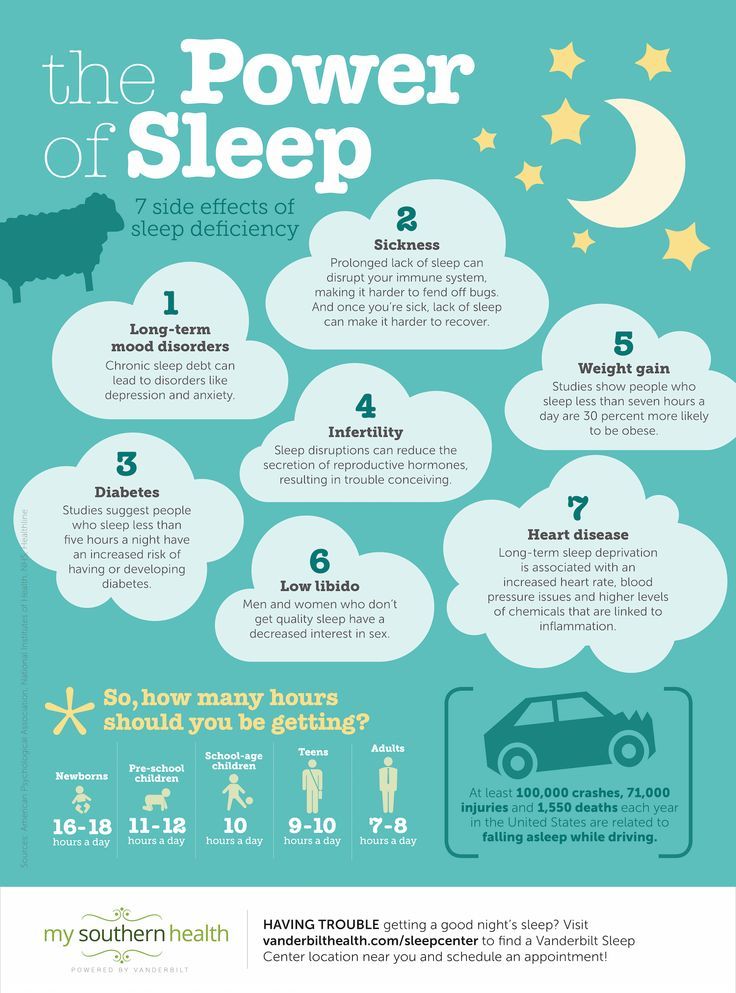
Those of you who know me or have been following my blogs know how much I “preach” about getting your workouts in, being active, prepping healthy meals, journaling, etc.  It likely sounds like I want everyone to go, go, go all the time.  We DO need to be active over being sedentary.  Eating clean nutritious meals takes effort – planning, preparation, and implementation.  But there is a very real issue in overdoing, over taxing your body and your brain, and in over training.  Rest HAS to be an integral part of a healthy lifestyle.  There is a very real difference between getting rest and being lazy!  Your body needs rest, and it needs at least seven (7) to eight (8) hours of sleep each night.  Believe me, I know how difficult that can be!  Even if I had eight hours to sleep, I’m at an age when my body just won’t sleep straight through more than a couple of hours at a time.  

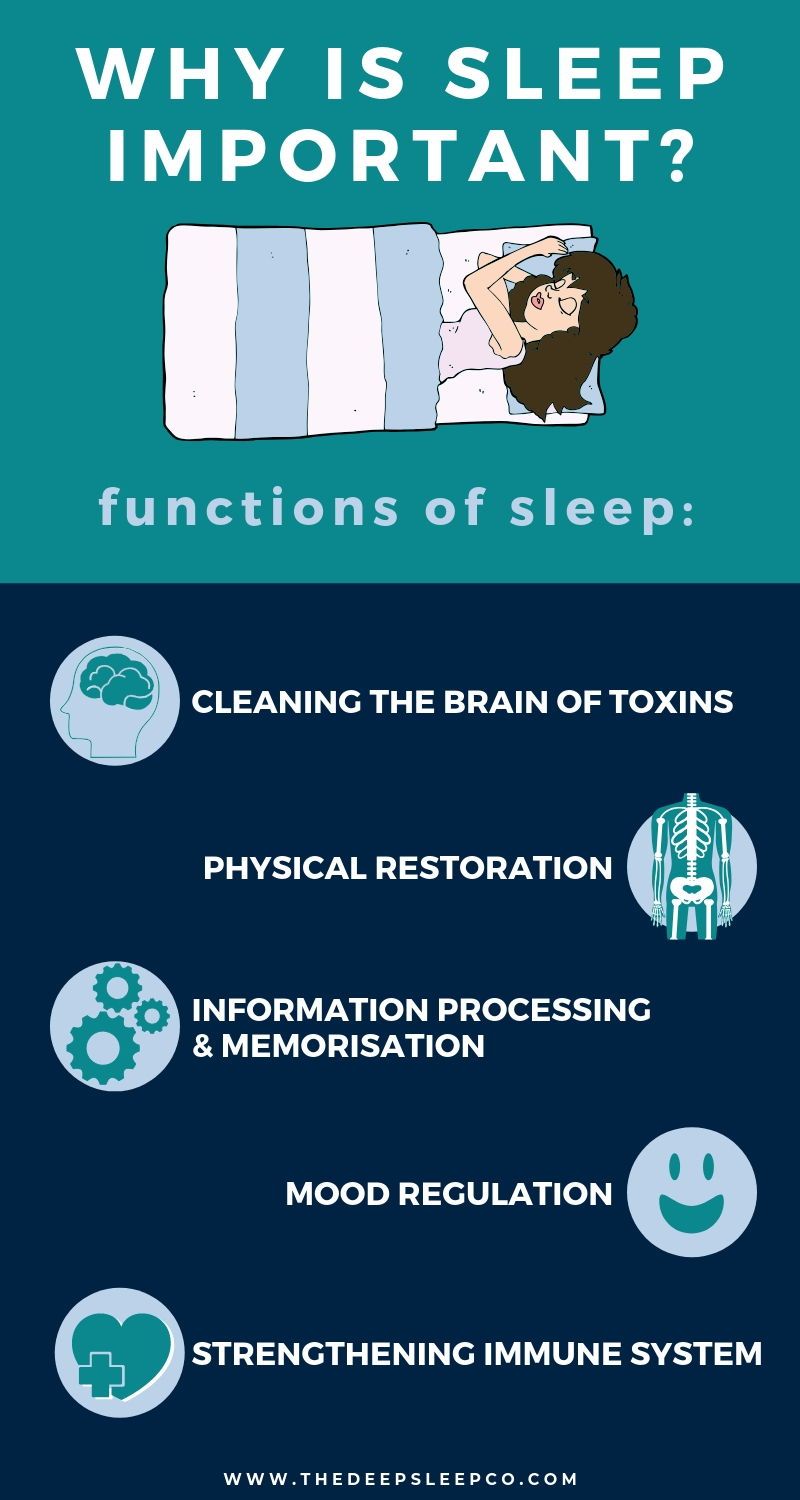
First, let’s look at all of the benefits sleep provides, per SCLHealth, and the American Heart Association, just to name a few.  Even though this seems pretty obvious, there might be some hidden jewels!  

1. A good night’s sleep boosts your immune system.  We’ve always been told that sleep is the best medicine, and that we need to rest when our bodies are sick.  Getting enough rest can actually strengthen our immune systems and prevent us from getting sick!

2. Getting the proper amount of sleep can aid in the prevention of weight gain.  Guess what comes into play here?  Hormones – yup, those always pesky hormones!  NOT getting enough quality sleep causes your body to produce the hormone ghrelin, which boosts appetite.  At the same time, your body decreases the production of the hormone leptin, which tells you you’re full when eating.   So – without adequate rest, your body reacts by telling you you’re hungry more often but lacks the ability to let you know you’re actually full.  This can lead to extra snacking and to cravings for junk foods!

3. A good night’s sleep can strengthen your heart.  When you’re tired, especially over tired or in a state of near exhaustion, your body releases cortisol – yet another hormone – which is a stress hormone that causes your heart to work harder.  A lack of adequate rest can lead to a rise in your blood pressure and can even lead to a heart attack.

4. Getting more quality sleep can improve your mood!  I know this one seems obvious, which is all the more reason to get that sleep in!

5. If being overly tired causes you to be less productive, can you imagine how much better your day will go if you get quality sleep?!  Not only your mood is improved, your productivity and your focus will be improved!

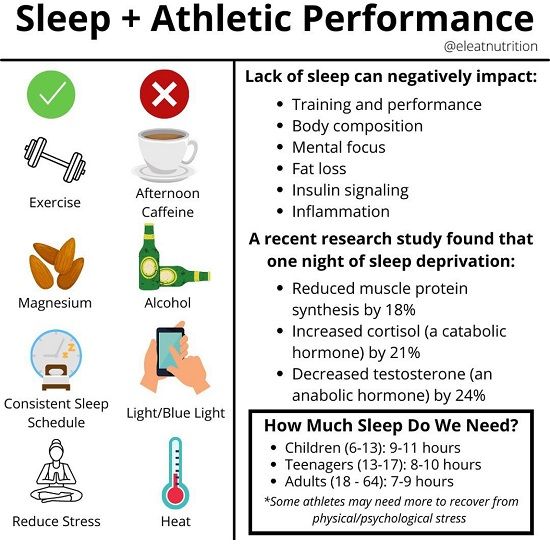
6. Getting quality sleep can surely improve your athletic performance!  This is true regardless of your sport of choice – lifting weights, running, soccer, basketball, dance, Crossfit, yoga, etc.

The biggest obstacle is life itself, isn’t it?  We are all so busy!  We have our children, their schedules, spouses and their schedules, jobs, meals to prepare, dishes and laundry, etc., etc,   So let’s look at some tips that can help us get that quality sleep, from some very reputable sources such as Healthline and the Mayo Clinic.

  • Try to get more exposure to bright light each day.  If your work environment is dark, try opening windows or at least let the light shine in at home!  Natural light is obviously the best, so get outside as much as possible when you can.
  • Try to decrease the amount of screen time in the evening.  The “blue light” emitted from computers, smart phones, and tablets.  Exposure to these lights affect your circadian rhythm by tricking your brain into thinking it’s still daytime.  This can cause your body to produce less of the hormone melatonin, which causes your body to relax and aids sleep.  There are tips here:  1) wear special glasses that block the blue light  2) Install an app that blocks the blue light on your smartphones; they are available for both android and iPhones.  3) Turn off the tv and any bright lights 2 hours before turning in for the night.
  • Avoid caffeine late in the day
  • Avoid or at least reduce irregular or long daytime naps.  Short, “power” naps (about 30 minutes in length), however, can be beneficial!
  • Do your best to set a consistent bedtime and waking schedule.  Your body will adjust – just like the sleep schedule you set for your children.  It will work for grown ups, too!
  • Try taking a melatonin supplement.  Since this is the hormone your body naturally produces that aids in sleep, it is completely natural.  By taking only 2mg before bedtime, you may have improved quality of sleep and wake up feeling more energized.
  • Evaluate your bedroom environment.  Look at factors such as temperature, noise, external lights, and even how your furniture is arranged.
  • Avoid eating late at night, especially heavy foods
  • Establishing a bedtime routine can be very helpful.  Try setting a consistent routine about 30 to 45 minutes before your bedtime.  This can include relaxing in hot bath, listening to relaxing music, reading a book, deep breathing, etc.
  • Make sure you have a comfortable pillow, mattress, and sheets!
  • Just to be safe, if after instituting these things with no improvement, see a doctor to rule out a sleep disorder.
  • Get regular exercise!!!  You knew it was in here, right?  Not right before bed (unless you try some restorative yoga), of course, but getting in some regular exercise will definitely improve your sleep!

Should I Do Cardio or Should I Lift?

The big question:  should I do cardio or lift weights?!  Which one will help me reach my goal faster?  This is very similar to which came first, the chicken or the egg. . .

The big answer:  You need both!!!   In order to improve your overall fitness level, overall health, and lose body fat (and build or maintain muscle mass) all of your internal systems will benefit from BOTH forms of training.  I will break down the benefits of each in this blog, but please understand that it really isn’t beneficial to choose only one.  Even if aesthetics aren’t your main goal, implementing a blend of cardio and strength training is always your best choice.  These are not just my opinions, but facts backed up by the American Heart Association, Healthline.com, and the Better Health Channel, just to name a few.

I’ll start with my personal favorite – strength training.  I’m not a huge fan of cardio, and I LOVE LOVE LOVE lifting!  There are so many mental and physical benefits to strength training.  Here a just a few:

  • Improves muscle tone and strength
  • Decreases risk of injury (bones and surrounding tissues become stronger and more protective)
  • Reduces risk of osteoporosis
  • Improves and maintains flexibility and balance (which helps us remain independent as we age)
  • Manages weight and increases the fat to muscle ratio
  • Helps prevent, or at least control, chronic conditions such as arthritis, heart disease, diabetes, back pain, obesity, and depression
  • Improves mobility and balance
  • Improves posture
  • Improves sleep and helps decrease instances of insomnia
  • Improves strength and stamina to make everyday activities more manageable and easier
  • Boosts your metabolism (building muscle increases your metabolic rate as muscle burns more calories than body fat)
  • Decreases abdominal fat
  • Decreases risk of falling

There are various methods of strength training, which means that joining a gym isn’t a necessity if your finances won’t allow for a membership or you find that environment intimidating.  Working out alone is preferable to some, while others flourish in a community workout setting.  Strength training is resistance training, so body weight exercises are a fantastic place to start if you have no equipment.  (Yoga plugs in here nicely.)  Obviously, most gyms provide a wide variety of free weights, cables, and machines.  You can also get amazing benefits and results from barbells, dumbbells, kettlebells, and resistance bands at home!

Moving onto cardio!  Just because cardiovascular training isn’t my favorite doesn’t mean it isn’t important.  In conjunction with strength training, cardio is the third part of three crucial components in improving your physical fitness and health.  For the record, nutrition is actually the first component and strength training is the second.  Benefits of cardiovascular training include:

  • Recommended by the American Heart Association for strengthening your heart and helping it operate more efficiently
  • Lowers blood pressure
  • Lowers cholesterol
  • Aids in regulating blood sugar
  • Reduces asthma symptoms
  • Reduces chronic pain
  • Helps improve sleep
  • Regulates weight
  • Strengthens immune systems
  • Improves brain function
  • Improves mood
  • Improves endurance

As with strength training, there are various ways to get that cardio in – with or without equipment.  In good weather, you can always take it outside for a walk, run, ride a bike, interval training circuit, create or join a boot camp, jump rope, swim. . .  I love a good interval training circuit to break up the monotony and keep my heart pumping!  Mix in jogs and/or sprints, walking lunges, jumping jacks, plank jacks, pushups, pop squats, step ups on benches, run stairs or hills, etc.  In any weather cardio equipment works great!  Pop in your headphones and get busy on stationary bikes, elliptical machines, treadmills, or a tabata interval session (squat kicks, plank jacks, shoulder taps, burpees, donkey kicks, pop squats, lunges, squats, pushups, etc.)  And don’t ever forget cardio classes!  There are SO many!!  Dance fitness, Zumba, step classes, yoga, pilates, body pump, etc.  I know that all Gold’s Gyms offer a wide variety of classes all times of the day, so you’ll be able to find one that fits in your schedule!

To sum it all up, you definitely need both cardio and strength training to get the best results and to feel your best.  But don’t underestimate the importance of good, clean nutrition!  If you’re increasing your physical activity, you need to FUEL your body with good foods.  Fast foods and junk foods will add to body fat, NOT feed your muscle, gunk up your arteries, and will hurt your workouts.  So get out there and get busy!  You’ll surprise yourself by having fun and looking forward to your next workout!  Personally, weight training is easy for me, and I look forward to it.  Cardio is much easier and more enjoyable for me with friends.  Find your community – or create your own!  Invite friends to workout with you.   Take a class or two; invite friends or make new friends there.  Ask them to join you in the weight room after or before class!

As always – if you just don’t know where to start or need help implementing a plan, please seek out a personal trainer.  I would love to help you reach your goals and live your best life!!  If you don’t have a trainer in mind, click on the Contact Me link on my site and send me an email.  We can at least discuss your goals!