What In The World Are Macros (And Why Should I Care?)

Maybe you’ve heard people talking about or seen things written about “macros” and are curious.  Maybe someone has recommended you count your macros and/or incorporating macros into a meal plan over dieting.  YESSS!  Let’s talk about why these macros are SO important!  

To begin with, macros is just short for macronutrients.  The macronutrients we focus on are:  carbohydrates, fats, and protein.  All diets utilize macronutrients, even if it isn’t a main focus.  I personally prefer living by macronutrients and eating clean, healthy foods over all fad diets.  

One issue with diets is they tend to have time limits, or lead people to believe there is a starting and ending date.  The problem with this is that nothing has really permanently changed.  If you are successful with a trendy diet for the recommended time limit of that diet, but return to previous eating habits, you will very likely be right back where you were before.  In order to maintain those successes and maintain a healthy weight, you will need to eat healthy consistently.  If you want to be healthy and fit for life, you need to maintain fit, healthy lifestyle habits!

Calories are important to count, and should certainly be included in your macronutrient numbers.  There is no consistent number of calories for every person; this is as individual to you as your fingerprint.  The number of calories you should take in daily will depend on your height, weight, age, and activity level.  In order to maintain muscle and keep your metabolism active, you must eat at least the number of calories that is your Basal Metabolic Rate (the number of calories your body needs in an inactive state to provide the necessary energy).  This number will be your minimum.  In order to induce fat loss, you will need to create a caloric deficit between the number of calories you take in and the number of calories you burn in a day’s time.  

Ensuring that you get the proper number of grams of  lean protein, complex carbohydrates, and healthy fats in each day is the key.  Did you catch the descriptors there?  LEAN sources of protein, COMPLEX carbohydrates, and HEALTHY fats!  This does not include fried chicken, loaded cheeseburgers, donuts, ice cream, chips, etc.  Let’s break down examples of the best macronutrient options:
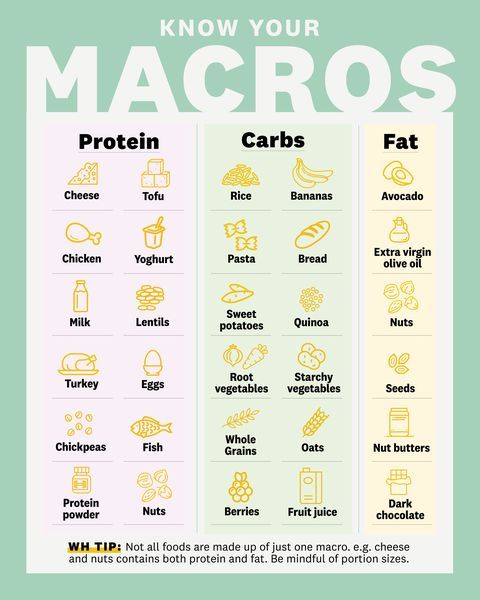
1. Complex Carbohydrates:  Sweet potatoes, baking potatoes, red potatoes, quinoa, oatmeal (real not instant), jasmine or brown rice, rice cakes

2. Healthy Fats:  avocado, cashews, almonds, feta cheese, olives, extra virgin olive oil, coconut oil, salmon, natural peanut butter, almond butter

3. Lean Protein:  Boneless, skinless chicken breasts, ground chicken, turkey, eggs, white fish (tilapia, orange roughy, mahi, triggerfish), 

Okay, fine, you say. . . now what?  How do I know how much of each macronutrient do I need?  Well, that also depends on you.  Again, there is no main number for every person.  The amount of lean protein and complex carbohydrates an individual needs depends on your weight and how much exercise you do.  When it comes to protein, your body cannot store it.  Once your body reaches the amount of protein your body needs, it is then converted to energy or fat.  Most fitness and medical professionals recommend that you concentrate on meeting your protein goal, then look at carbohydrates and fats to meet your caloric goal.

Carbohydrates provide fuel for your body during high-intensity exercise.  This allows your body to use carbs during exercise instead of protein, which in turn allows your body to retain your muscle mass.

When it comes to fats, most people typically try to stick with low fat or cut fats out.  We all need to include  20 to 35 percent of our daily calories from healthy sources of fats.  Healthy fats are found in natural sources – plants and animals.

There are many online macronutrient calculators you can use to figure out your specific needs.  These will ask for your age, height, weight, and some will ask for your activity level.   A nutritionist or personal trainer can also help you with these and prepare meal plans specifically for your needs.  Some of the sites that I prefer for calculating macros are:

1. www.Bodybuilding.com

2. http://www.calculator.net

3. http://healthyeater.com

It’s NOT All About The Numbers

It’s no big surprise that the vast majority of the population is preoccupied with either losing or maintaining weight.  One of the most-used tools for measuring weight is the dreaded scale. . . Yes, it IS an important number, but it is most certainly not the most important number!  Watching that number go up or down can do more damage to your motivation than you think.  

The first thing to consider is body composition.  Even uber fit, muscle-bound athletes with very low body fat will have BMI (Body Mass Index) numbers in the “obese” range.  This scale does not take body composition into consideration!  Anyone who carries a good deal of muscle can weigh the same as someone who carries a good deal of body fat, and have the same BMI.  You can see how this number is not really helpful!  Body composition is made up of:

  • Body Water
  • Bone mass
  • Muscle mass – skeletal muscle AND lean muscle mass
  • Body fat 
    • Body fat percentage
    • Subcutaneous fat (under the skin)
    • Visceral fat (around the internal organs)

Clearly the goal in any journey to a healthier lifestyle is to lower body fat and increase lean muscle mass.  Staying hydrated and getting in enough water is also key to maintaining a healthy body composition.  Depending on the type of scale you use, you may only have access to one overall number for body weight.  Do NOT let that number define you or cause you undue stress.  You also do not want to let this number guide your view of success.

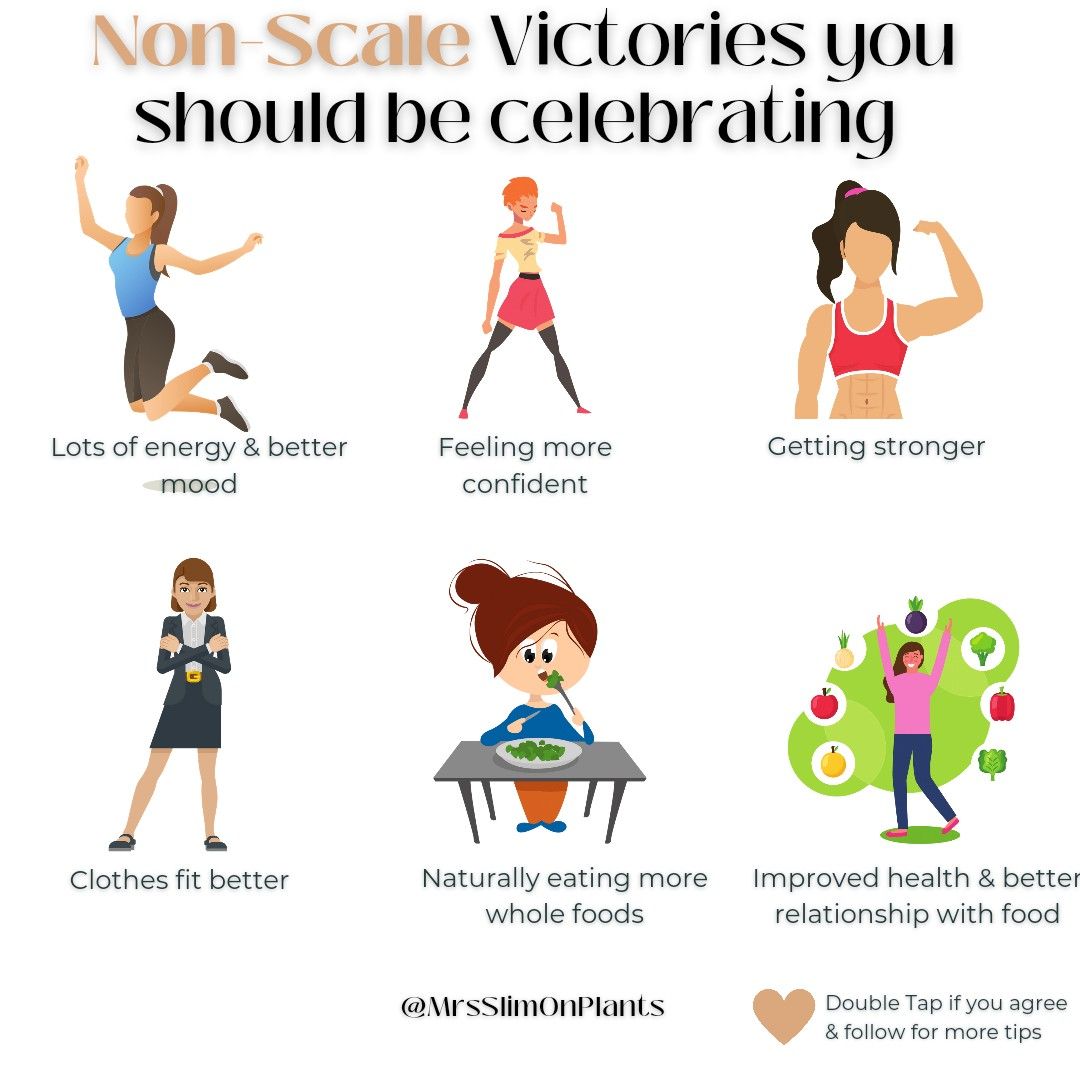
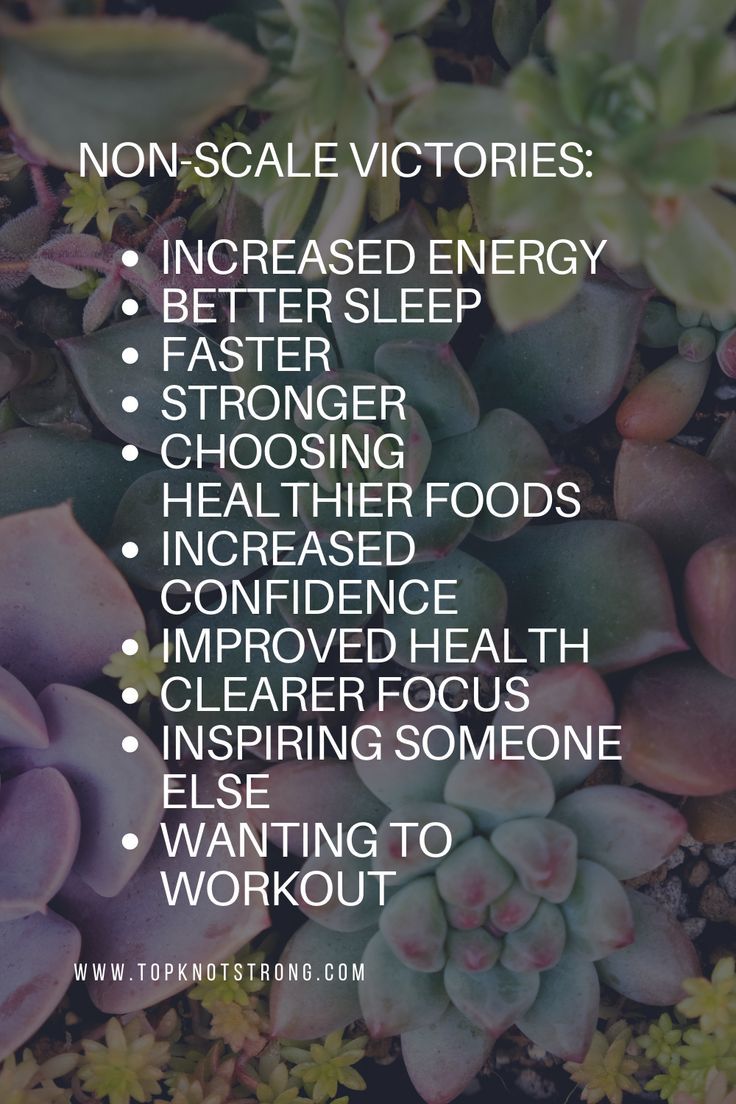
Your overall body weight number on the scale is only a small part of your whole story.  Yes, the most common presumption is  to see that number drop daily.  However, if your training program incorporates any resistance training (which it should), you are building muscle.  While that number on the scale may not change much, your body composition very likely is changing!  Taking this into consideration, let’s look at what I LOVE to call NSV – Non Scale Victories.  These can be big or small improvements you notice in your body, health, and/or fitness level!  Here are a few examples:

1. Your clothes are fitting more loosely.  Maybe you’re even wearing pants or an outfit that you haven’t been able to wear in a while!

2. You have more energy for your workouts AND for your day to day activities

3. You find that you are sleeping better, maybe getting more restful sleep and/or waking feeling more rested and energized.

4. You’re seeing personal bests in your workouts!  You are faster, stronger, and have more endurance.  What once seemed nearly impossible is now easy.

5. You notice that your balance, flexibility, and mobility are improving.  These can lead to an increased ability for you to enjoy activities or hobbies you weren’t able to for a while!

6. Your focus and memory are sharper.  Maybe you even notice that your attention span has improved.  Cutting out sugars, processed foods, and increased activity all lead to improved brain function!

7. Your skin looks more healthy.

8. Keep track of ALL of your measurements!  You may find that you’ve lost inches!

9. You find that you’re managing anxiety and/or stress better.

10. You find that chronic pain is lessened!   More activity and lower body weight eases strain on your joints, and can certainly help keep arthritis inflammation at bay.

11. You realize that your mood has improved; you feel happier more often.

12. Additional and/or improved community – your new workout buddies are THE best!  You look forward to seeing them and to working out with them.  You find that you have incredible encouragement and support within this community.

13. Health and medical numbers are improving!  Maybe your cholesterol and blood pressure numbers, as well as blood sugar levels are better.

14. Your financial accounts are a little healthier if you’re eating at home and not in fast food drive-throughs regularly.  You are also less likely to need over-the-counter medications or doctor visits due to improved health!

15. You feel more confident in taking on any new challenge.  You’re definitely more comfortable in planning healthy meals and in tackling new workouts.

Look back over these non scale victories again – how many have you already experienced?  I recommend starting a journal, if you haven’t already.  This can be hand-written or digital – it’s up to your personal preference.  Go back to your Ground Zero – your first few days.   Include photos of yourself, weight, and any measurements you had taken.  Date that first entry, include the things listed above, as well as your reason(s) why you began a journey to become healthier and more fit.  List any goals – short and long term.  Every two or three weeks, start a new entry that includes updated weight, body measurements, and make note of ANY of the above non-scale victories you’ve realized since the first few days.  List anything, any improvement, you want to celebrate that’s above and beyond the number on your scale.

Yes, I DID say celebrate.  I meant that – celebrate your successes!  That doesn’t necessarily mean you eat a piece of cake or 23 cookies.  Maybe you earned a new pair of leggings or a new workout shirt!  Maybe you earned a new gym bag, hat, ponytail scrunchies, shoes – some reward that feeds back into your new lifestyle!

If all of this sounds promising to you, but you’re unsure how to get started, I would love to discuss it with you.  Having an experienced, knowledgeable trainer in your corner can surely be a wise investment.  Feel free to contact me on my site through the Contact Me link, or email me at FitTeacherMom@aol.com!

Are Multivitamins Really That Important?

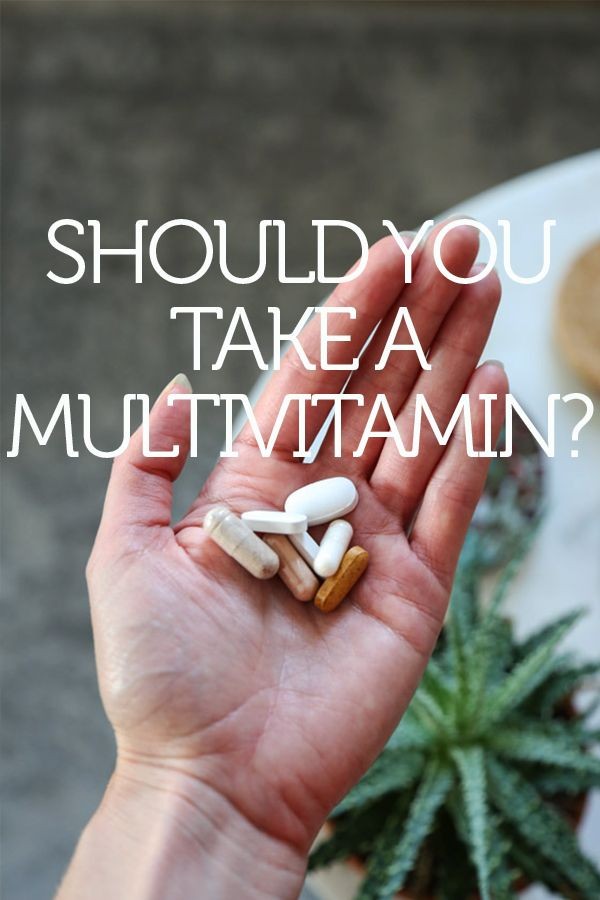
I’m certain that each of us has heard “take your vitamins” daily throughout childhood and almost as often as adults.   Guess what?  They really are important!  I hope you’re all taking them still, and if you aren’t, go on and add them back into your daily routine!  Here’s why –

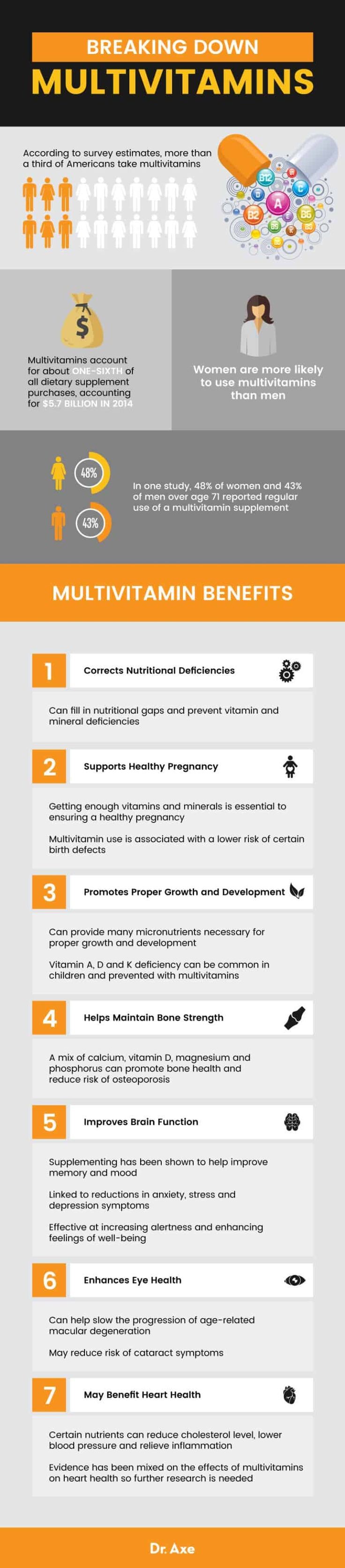
Even when eating clean and making sure that you’re taking in the proper nutrients, multivitamins help fill in any nutritional gaps.  Think of vitamins as additional nutrient insurance, regardless of age, stage of life, and dietary preferences. There are as many reasons to take a good multivitamin as there are formulations for them:

  • They boost immune function
  • They boost longevity
  • They boost brain health (help prevent the onset of dementia-related diseases)
  • They boost healthy hair, nails, and skin
  • They boost bone and muscle function
  • They boost heart health
  • They boost overall eye health

Need a boost?  Maybe taking that multivitamin is a good idea after all!!

So you’ve decided to add vitamins back into your daily routine, but there are SO many choices!  Which brand and which formulation is best for you?  Here are a few tips, per UT Southwestern Medical Center:

  • Look for the USP (U.S. Pharmocopeial Convention) verification logo or seal.  You can check your vitamin online through http://Consumerlab.com or NSF.org.
  • Choose a vitamin with 100% of the daily value of most of its ingredients.  
  • Look for the right blend for your gender and age, as nutrient needs can vary depending on these factors.  If you are in any phase of menopause or perimenopause, you will need higher concentrations of calcium, Vitamins B6, Iron, etc.  If you have questions, ask your doctor, nutritionist, or pharmacist for suggestions.
  • Be sure to look for essential micronutrients such as:
    • vitamin c, 
    • calcium, 
    • magnesium, 
    • iron, 
    • potassium, 
    • Thiamin, riboflavin, and niacin
    • Selenium,
    • Zinc,
    • Vitamins B6, B12, and folate
    • Vitamins A, E, and K
    • Vitamins D2 or D3

One other tip is that, while gummy vitamins are certainly easier for those who have trouble swallowing large pills, the quality and quantity of nutrients will be less than the standard form due to how they are made.

While finding the right brand and formulation can be daunting, rest assured that simply adding a multivitamin to your daily nutrition will be a huge boost!   I personally recommend taking vitamins in the morning WITH your first meal.  I never take them on an empty stomach.

If you aren’t already using a multivitamin, I highly recommend that you do.  Filling in nutritional gaps will surely help you reach your goals and maintain your health and immunity!

Stay Thirsty, My Friends!

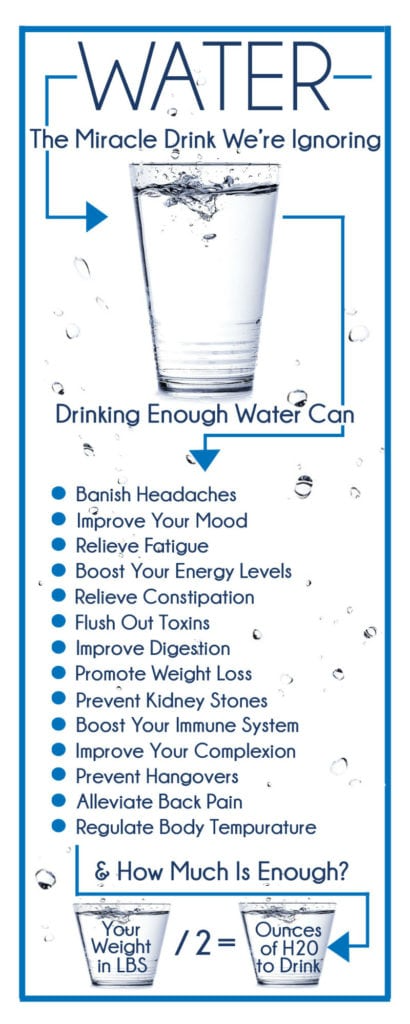
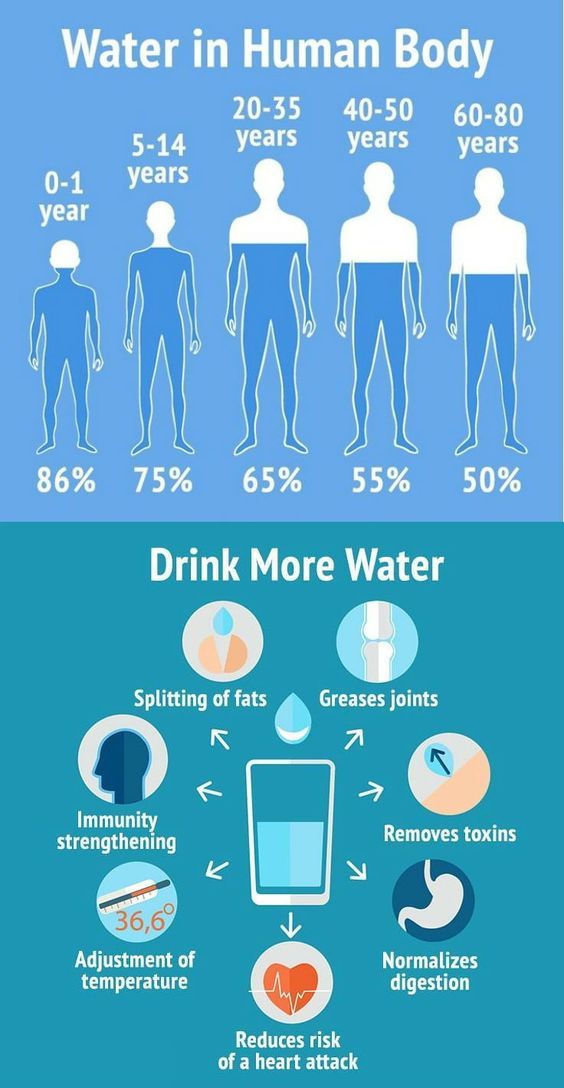
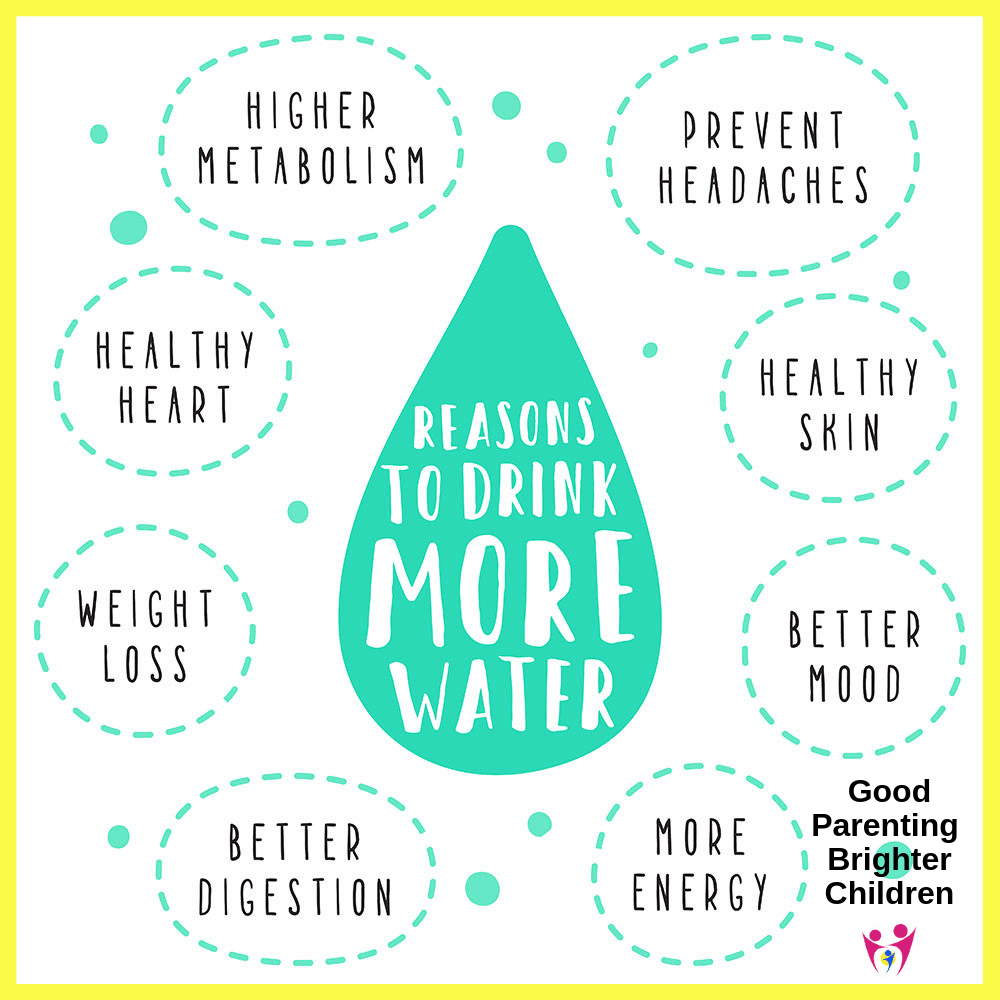
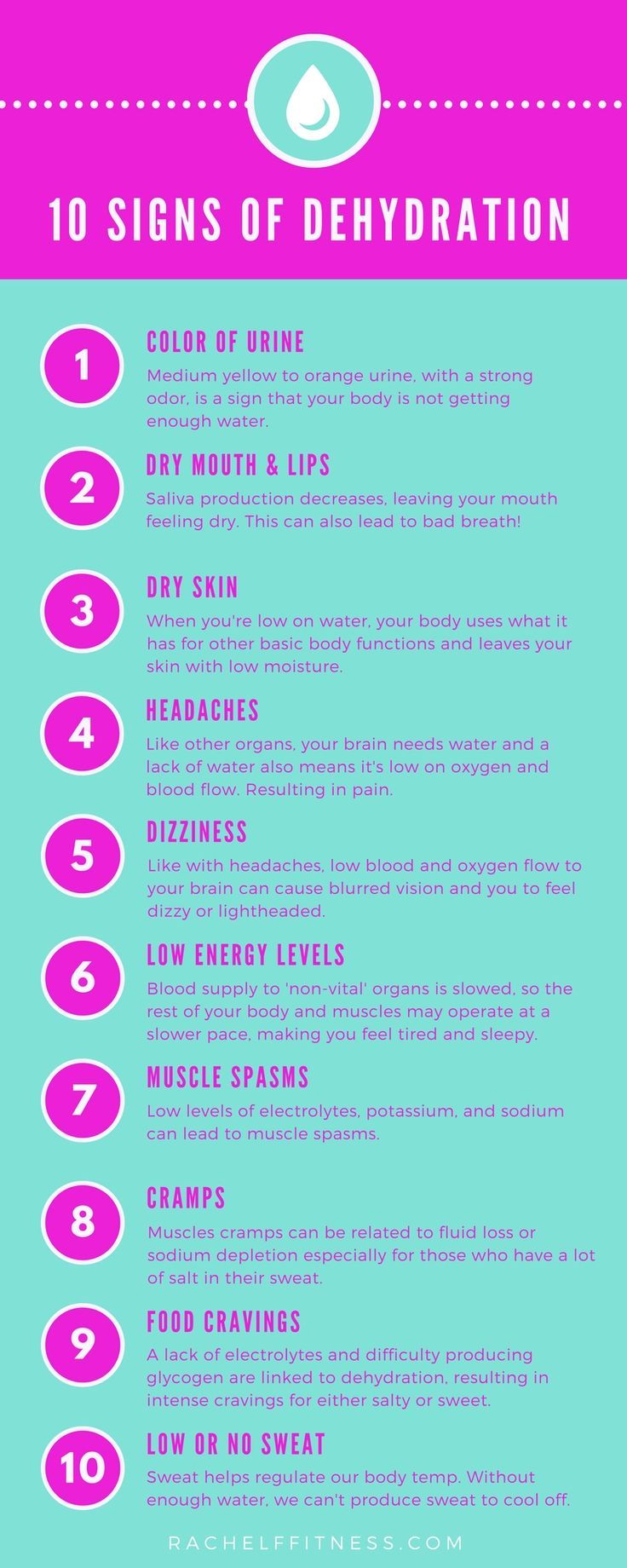
If you know me, you already know how I feel about drinking water.  Water is SO, so important for our bodies, for our health.  Of course, water is the lowest calorie drink we can take in; it’s also the purest with no added chemicals, preservatives, sugars or artificial sweeteners.  There are countless benefits. . . and ZERO adverse side effects.  

Here are just a few reasons you should be drinking water daily, as provided by Harvard Health, Healthline, and Medical News Today – just to name a few:  

  • carrying nutrients and oxygen to your cells
  • flushing bacteria from your bladder
  • aiding digestion
  • preventing constipation
  • normalizing blood pressure
  • stabilizing the heartbeat
  • cushioning joints
  • protecting organs and tissues
  • regulating body temperature
  • maintaining electrolyte (sodium) balance.

Keep in mind, while you should drink at least 64 to 80 ounces each day, you need more water when you are:

  • Outdoors in hot climates
  • More physically active
  • Running a fever
  • Experiencing nasal congestion and/or drainage
  • Experiencing digestional upset (vomiting or diarrhea)

I know some of my clients just don’t like water – because it doesn’t really have any flavor, or they are really hooked on drinking sodas, flavored sports drinks, and sweet tea.  Here are a few things to keep in mind about these drinks:

  • In addition to having too many chemicals and sugars, sodas are also dehydrating.  There’s simply NO good reason, nutritionally speaking, to drink these.
  • Flavored sports drinks, such as Gatorade and Powerade, typically contain more sugars than electrolytes.  Look for a healthier alternative that is lower in sugar.
  • All alcoholic beverages contain hidden sugars and can be dehydrating.
  • Any drink you have that is dehydrating will require you to drink additional water to insure you’re properly hydrated!

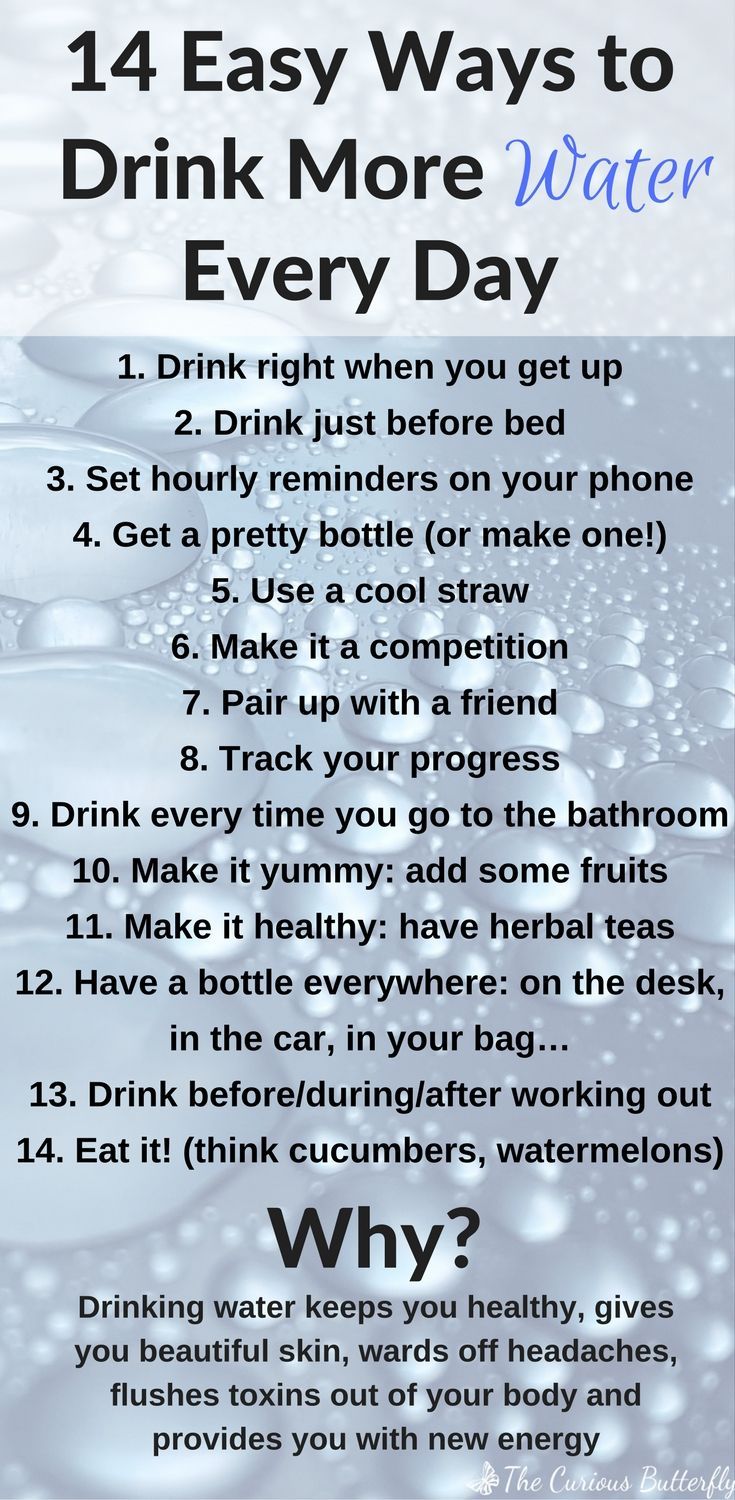
If you weren’t already sold on the benefits of water, are you ready to do better with your water intake?  Here are a few tips to help!  

  • In keeping with better, cleaner nutrition, add protein powders into your meal prep.  Instead of using milk or almond milk, use water.  Boom!  You can add eight (8) to 12 ounces of water with a healthy snack.
  • Invest in a really pretty or fun bottle for yourself.  Even though it seems like a silly mental trick – it works!!  It’s like a little reward for doing something good for yourself.  You can refill it as needed throughout the day.
  • Order water when eating out.  It goes with ANY dish, and will also save you money.
  • My favorite soda alternative is Spark (made by AdvoCare).  Not only does it have caffeine, it also contains Vitamin B6, B12, Taurine, among other amino acids.  I always mix it with at least 12 ounces of water!  
  • Add a wedge of lemon or lime.
  • Use a straw.
  • Create a competition with a friend or group of friends.
  • Track how much you drink each day.

Our bodies NEED water!  Every single one of us will feel better if our bodies are hydrated.  What have you got to lose?  You’ll feel better, be healthier, AND save money!  Cut back on sodas and sugary drinks.  Just give it a try for a few weeks – prove me wrong!! 

Nature’s Super Food ~ Flaxseed

You will never hear me tell you about a “magic” pill or potion, because that simply doesn’t exist.  Improving your fitness level, your health, and losing or maintaining your body weight will best be achieved through maintaining a healthier lifestyle.  In order to be successful, you will have to put in some consistent effort, and you will need to be disciplined.  The GOOD news is that it is NOT impossible, and it honestly isn’t as hard as some people believe.  There are some “super foods” that can help us achieve and maintain a healthier lifestyle!  

Let’s look at a true super food that nature gives us – NO chemicals or preservatives required!!  It’s flaxseed!  You can find it in many forms – ground, whole seed, and oil.  The whole seed is the only form not recommended, simply because the hull stays intact, and digestion does not take the nutrients.  Either ground flaxseed or flax oil can easily be added into your favorite recipes.  It’s SO easy!  I mix it into my protein coffee in the mornings.  

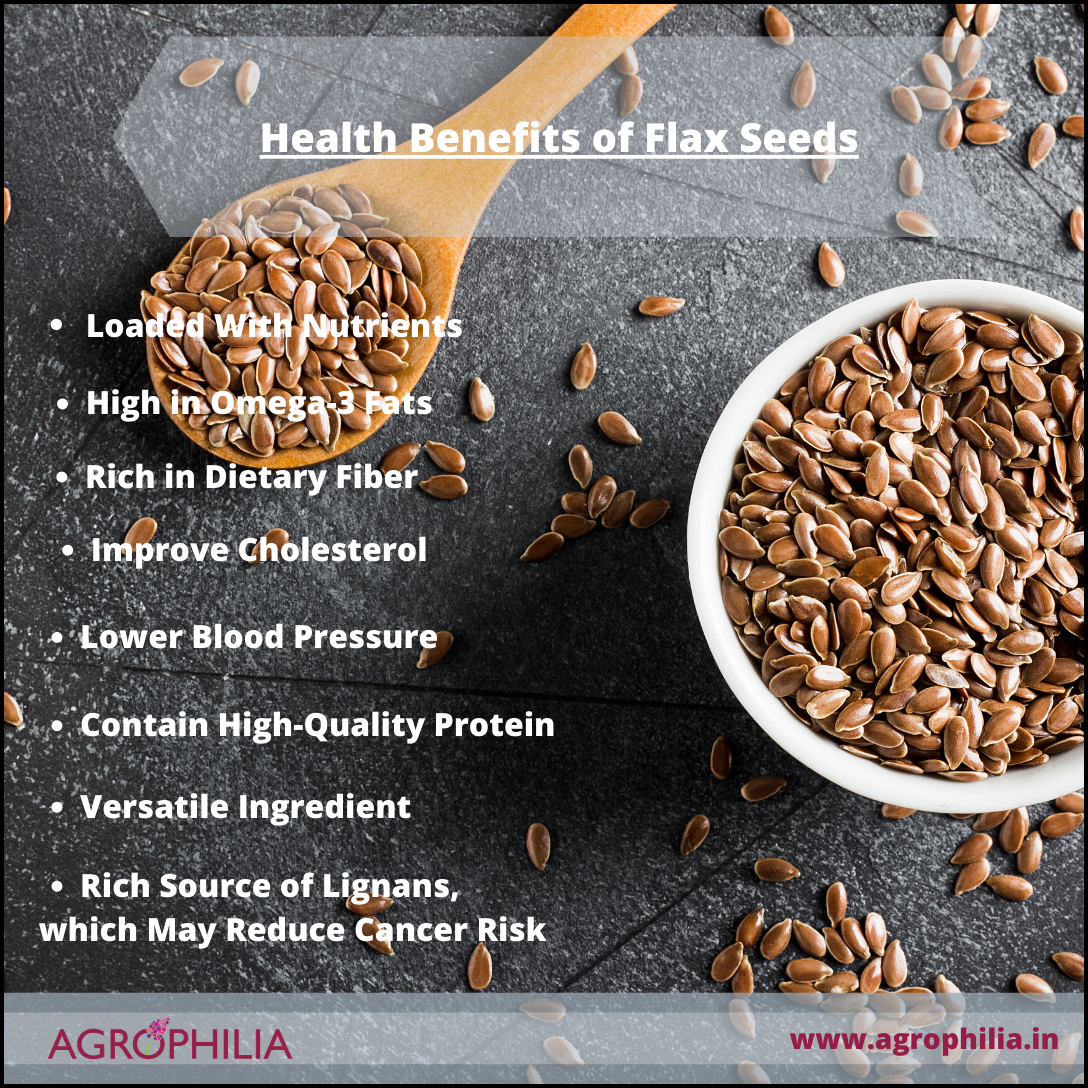
Flaxseed has multiple benefits.  I researched several resources – WebMD, Cleveland Clinic, HealthLine, BetterMe, and Women’s Health to find that they all agree on the top benefits.  These are:

  • Omega 3 essential fatty acids:  These are the “good” fats that have been proven to improve heart health.
  • Prevent cancer:  Many recent studies show that flaxseed may have protective effects against certain cancer cells.  The plant omega 3 fatty acid found in flaxseed inhibited tumor growth in some studies.
  • Lignans:  These have both antioxidant and estrogen properties.
  • Helps prevent Cardiovascular disease:  The plant omega 3 fatty acids are at work again!  Flaxseed also has anti-inflammatory properties that aid in normalizing the heart beat.  Newer research shows that flaxseed also can aid in lowering blood pressure AND cholesterol.  There have also been studies showing that diets which include flaxseed omega 3’s aid in preventing the hardening of arteries!
  • Helps decrease inflammation:  Two components in flaxseed, ALA and lignans, may help reduce the inflammation that accompanies certain illnesses. 
  • Helps decrease hot flashes:  Many studies have proven that the addition of flaxseed decreases not only the occurrence of hot flashes, but also the severity.  I can attest to this personally.  I am post menopausal, but recently I felt “under siege” with hot flashes.  My personal research and discussions with dieticians and nutritional experts convinced me to add flaxseed into my daily diet.  It may take up to two weeks to feel the full result, but it definitely works!  Initially I added 2 tablespoons of ground flaxseed into my protein coffee.  I’m now using flaxseed oil.  I have seen a definite decline in how often the hot flashes occur, as well as in how severe and how long they last.  I definitely recommend the use of flaxseed – if for no other reason than help with these!
  • Boosts immunity:  Flaxseeds are a great source of magnesium, which is a mineral essential for the proper function of our nervous system.  It also helps regulate our blood sugar levels, and can reduce symptoms of anxiety, depression and even migraine headaches.  If you’re experiencing any of the following, you may have a magnesium deficiency – diabetes, cardiovascular disease, osteoporosis, insomnia, and migraines.  Try adding in some flaxeed!
  • Promotes weight loss:  Due to the high fiber content of flaxseed, it can help improve your gut health and help you feel fuller when you eat.  This also helps prevent constipation and keep your digestive system working properly.

So, flaxseed sounds amazing, doesn’t it?!  Are you ready to add a little into your daily routine, but wondering how?  There are so, so many fabulous options!  Try adding either the ground flaxseed or flax oil in any or all of these options:

  • Protein shakes or smoothies
  • Sprinkled into yogurt
  • Sprinkled over a salad or into salad dressing
  • Baked into muffins or breads
  • Add it into soups or stews
  • Add into casseroles
  • Add into oatmeal
  • Mix into water and drink
  • Mix into coffee

Give flaxseed a try!  Just remember to use either the ground flaxseed or the oil rather than the whole seed.  No, flaxseed alone won’t change your life.  However, it will certainly aid in improving many areas of your health and in maximizing your efforts in cleaning up your nutrition!  Make sure you keep consistent workouts in the mix, and you are well on your way to your best self!

If you find that you want or need any additional help or support with your exercise or nutrition, I would love to help you!  Your health is definitely a wise investment – for your family as well as for yourself!

Motivation Versus Dedication

Have you seen people in your gym or in your circle who seem to have an easier time or more success than you in reaching their goals?  Someone whom you believe has something you don’t?   Don’t you dare fall for that!  No one is always motivated, and crushing goals is just as hard for everyone.  Those “lucky” people you see who seem to always crush their goals aren’t nearly as lucky as you think.  And they aren’t always motivated each and every day.  Every single human has obstacles; success or failure all stems from how we handle those obstacles.

Dedication (discipline) will take you a lot farther than motivation.  Pick a goal or an athlete/person who motivates you.  That’s  a fantastic way to start!  Just remember that ideal physique that is motivating cannot possibly be responsible for your goal.  It’s all up to you!  So, set and then commit to your goal – and plan each day around reaching that goal.  It’s absolutely ok to dream big!!  A dream is simply a goal with a deadline.  So set those goals – maybe even a long-term goal and a few short-term goals.

This isn’t a vague idea or notion.  Need some concrete steps to move forward?  Here you go:

 1. Write it down!  Begin a journal and write down your goal(s).  Set a deadline for yourself.  Make a plan.  Date each journal entry, including the first day.  Write down any beginning standard of measurement – weight, measurements, energy levels, clothing size, fitness ability (running distance, lifting max, etc.,)

 2. Write important dates and reminders in your calendar or planner.  Enter them on your phone.  Scheduling important steps will be reminders on the days that motivation can’t be found.  This is where dedication kicks in.  Follow your plan!

 3. If healthier eating is something that will help you reach your goal, write out grocery lists that consist of clean, natural foods.  Schedule one or two days to do your grocery shopping, and DO NOT deviate from your list!  

* Schedule a day or two every week to cook and prepare healthy meals ahead of time.  Separate foods into meals and put into easy to grab containers for on-the-go.

 4. Getting workouts in consistently each week will also help you reach your goals.  Schedule these as well, even down to what you plan to do each day.  For example:  Fitness class on Mondays and Thursdays, resistance training Tuesday, Wednesday, and Thursday, boot camp or yoga on Saturdays.  

* Pack your gym bag with everything you’ll need the night before.  If you’re heading to the gym or fitness studio after work, you’ll be ready.  

 5. If you’re not sure what steps to take, need consistent accountability, and/or are truly dedicated to crushing your goals, seriously consider hiring a personal trainer.  Leaving the “heavy” planning to a professional relieves a lot of stress for you.  All you do is follow the plan!

 6. DO NOT GIVE UP.  No matter what happens, no matter what types of obstacles life throws at you – keep going!  We all have off days.  We all make mistakes and slip off track.  Beating yourself up and giving up is never the answer.  Give yourself some grace.  Get right back on track.  

* If you get sick, let your body rest and recover.  Stick with healthy eating.  Your body will recover more quickly!  

Being motivated is fantastic!   It definitely gets you moving in the right direction in setting goals and in taking those first steps.   That initial motivation will waver and wane… make that commitment, establish a plan, and be intentional, be disciplined.   Look for that professional personal trainer to help you establish a realistic plan.  YOU are in control!!

Ahhh Sugar, Sugar

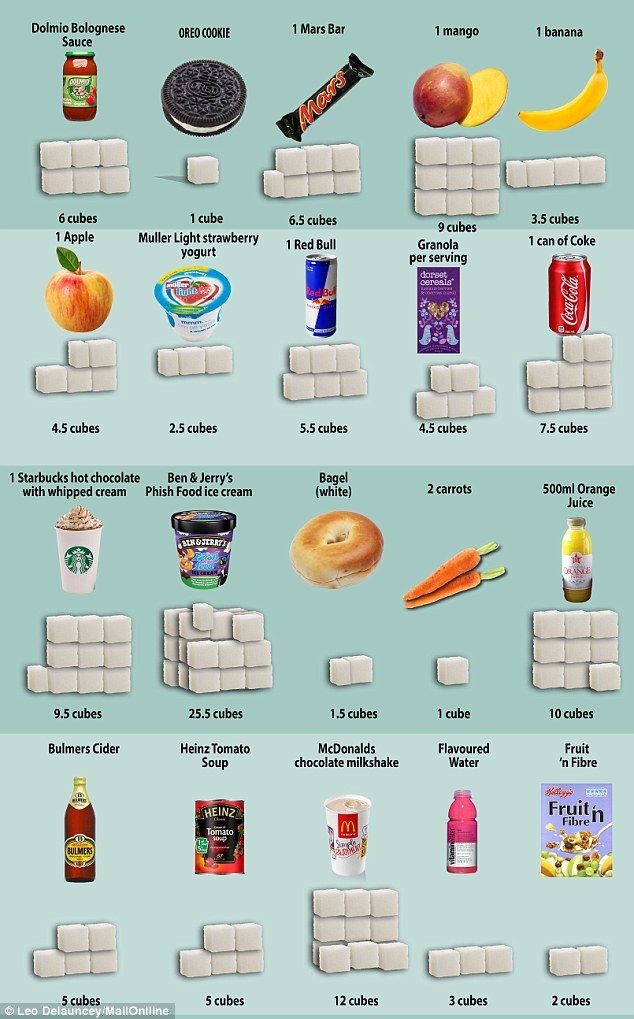
Who doesn’t have a sweet tooth?  Who doesn’t love dessert?!  Even though most of us have different preferences, the vast majority of us crave sweet treats.  For goodness sake, there are holidays all about candy and treats!  While we all know that these sweets are unhealthy for our bodies or our teeth, everyone may not know how many hidden sources of sugar we ingest daily. I also doubt most people know just how dangerous sugar is!

Since the Corona virus pandemic hit in 2020, people are more concerned with staying healthy than ever.  God designed our bodies to protect our natural immunities – provided we take the proper care of them!  Obviously, clean, natural foods are best for us.  Each of us knows the obvious; for example, that we need vegetables more than we need cookies or donuts.  But there are too many hidden sources of sugar in our diets daily:

* concentrated fruit juices

* sweetened yogurt

* children’s cereals

* individual packs of fruit (orange slices, diced peaches)

* ketchup

* low-fat snack packs

* energy drinks

* energy bars

* recovery drinks like Gatorade and Powerade

* salad dressings

* crackers

* dried fruit

* potato chips, cheetos, etc.,

* bread

* alcohol

Your safest choice is to avoid processed foods.  Refined, processed white breads, chips, pastas, fruit, etc., will be loaded with hidden sugars in addition to many other chemicals and preservatives that just aren’t healthy for you.  Now you have an idea how and where sugars can hide.  Are you aware of all of the dangers of sugar?  Let’s talk about some of those:

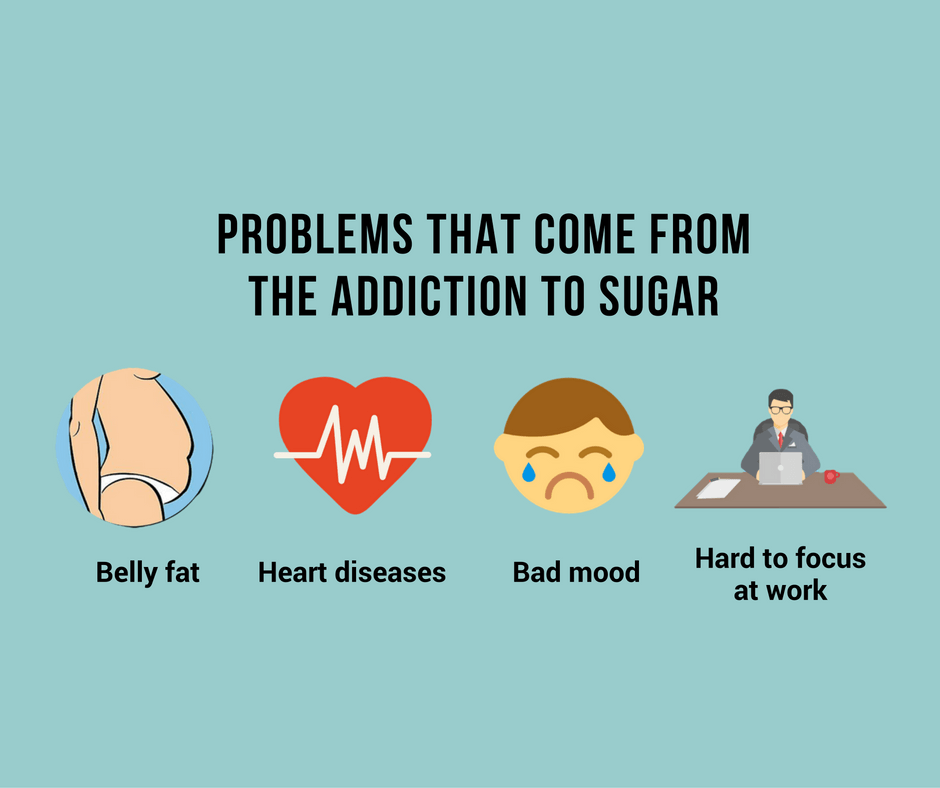
* increase your risk of heart disease

* will cause weight gain

* has been linked to acne

* increases the risk of Type 2 Diabetes

* could increase risk of cancer

* could increase risk of depression

* could increase skin aging process

* could increase cellular aging

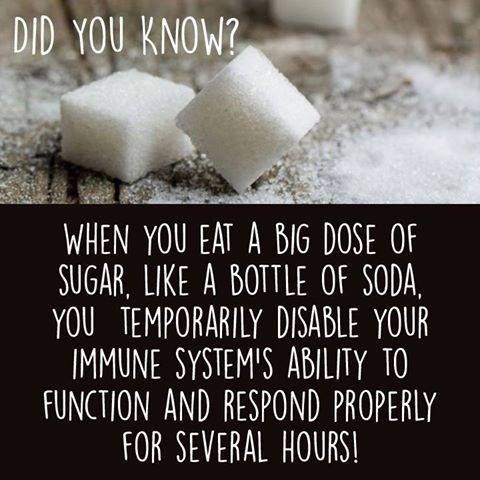
* can suppress your immune system

* can cause tooth decay & gum disease

* will affect cognitive function and ability to focus in children

* increases stress

* can take the place of important nutrients

Are you worried that you may be taking in too much sugar?  Here are a few symptoms of too much sugar:

* brain fog

* decreased energy; energy crash

* difficulty sleeping

* heart disease and heart attack

* mood disorders

* skin issues – acne and wrinkles

* tooth decay

* cravings and weight gain

* Type 2 Diabetes

* high blood pressure

* digestive issues

* you’re always hungry

* joint pain

* constantly bloated

* loss of strength and/or muscle mass

* loss of motivation to work out

* food never tastes sweet enough

Your health and longevity is worth far more that yummy treat!  Find a balance and alternatives to satisfy your sweet tooth. There ARE alternatives that are just as yummy! I promise you’ll feel better – now and for the long haul.  Always see your doctor if you have concerns about your health.  It’s better to rule out an issue and have peace of mind in moving forward.  And always reach out to a personal trainer or nutritionist if you want accountability and/or assistance in establishing a plan!

Why New Plans Fail – The Measure of Success

Who isn’t chasing that “perfect” bikini body?!  We all want to lose body fat, maintain a healthy weight, and build lean muscle, right?   Let’s just agree, for the purpose of this blog, that toning up is the same as building lean muscle.  (Because it is!)  Gaining lean muscle mass while losing body fat leaves your body looking much more shapely and toned, not bulky.

So many people start off on a plan that may or may not be well-suited for their goals and lifestyle.  They desperately grab onto the idea of a plan or fad diet that a friend had brief success with, and then wonder why it didn’t work for them.  Does that sound familiar?  Be very intentional and very selective when choosing a plan to follow – fad diets are just that, fads.  In order to be successful long term, keep in mind that you need to look into a plan that you can and will maintain for your lifetime.   Set a realistic goal for yourself.

Eight reasons that people fail with weight-loss plans:

 1. They don’t eat enough.  Yes, I said enough!  You cannot starve yourself; your body needs fuel.

 2. People don’t eat enough of the right foods.  Make sure the plan you follow allows for you to have the right amount of lean protein, complex carbohydrates, healthy fats, and green vegetables.  Do NOT avoid complex carbohydrates or green vegetables!  Your body needs all the good things in vegetables AND fiber!

 3. Most folks rarely drink enough water.  Remember that all drinks (sweet tea, sodas, and most energy drinks) have calories, among other things; water does not.  We should all take in a minimum of 64 to 80 ounces of water each day.

 4. People tend to rely too much on pre-packaged, processed foods.  Avoid, or at least cut way back, on processed foods.  Especially the ones labeled as “healthy” or “diet” because they tend to have more chemicals and preservatives than natural, whole foods.  This includes granola and energy bars.

 5. Many people tend to simply give up when they encounter obstacles rather than to keep going.  Consistency will get us so much farther toward our goals than perfection!  Just keep going; if you hit a “speed bump,” get over it and get back on track.

 6.  Almost everyone who begins a new weight or fat loss regime relies on the number on the scale.  Yes, it IS the standard we use to measure weight, including the losses and the gains.  Keep in mind that your body composition is not broken down in a standard scale.  If you’re consistently getting in healthy meals and good workouts, you’re still making progress even if the scale number does not move as much as you believe it should.  Look for the NON SCALE victories!  Are your clothes fitting differently?  Are you sleeping better?  Are your balance, flexibility, mobility, and strength improved?  Are your energy levels higher?  

 7.  Believing that one can “outwork” bad eating habits is certain sabotage.  Working out is definitely crucial; however, hours well spent in the gym will be wasted if your nutrition is lacking.  We all need to fuel our bodies properly in order for them to function at their healthiest.

8. Comparing your progress, your physique, and/or your life to someone else is never helpful. Comparison is truly a thief, and can certainly be deadly to your goals. YOU alone have your specific God-given genetic blueprint, and YOU alone live your life with YOUR personal goals and obstacles. Be kind to yourself, and stay in your own lane! Keep your eyes on your prize, not on anyone else!

Read these again, keeping YOUR habits and YOUR lifestyle in mind.  Which of these pitfalls are your obstacles?  Be intentional with planning your meals, and be very intentional about eating enough!  Skipping meals will never get you close to crushing your goals.  

Be very intentional about every bite and every sip you put into your mouth:  Is this healthy?  Is this a waste of calories?  Is this a lean source of protein?  One way to be accountable to yourself is to track your meals and water intake.  Create a journal for yourself, or use an app like MyFitnessPal on your phone.  Track everything!  You’ll know what you’re taking in each day, and which macronutrients (protein, carbohydrate, fat, and calories) you need more of each day.

There are also many apps available to track your workouts.  Apple watch, FitBit, Samsung, etc., all have watches that sync with phones and track your movement and calories you burn daily.

If you find this a little daunting, or you feel that you need more accountability, I highly recommend you seek the help of a certified, experienced personal trainer.  Ask friends for recommendations!  There are many personal trainers out here – some are amazing and some are less than great.  Interview potential trainers, and know that even though you get great recommendations for two or three, only one of those might be the best fit for your personality, your goals, and your schedule.  Please feel free to email me at FitTeacherMom@aol.com or contact me via my Contact page at http://FTM-Wellness.com.  I’m always here to help!  

Don’t just make a resolution for the New Year – commit to making a permanent lifestyle change.  I guarantee you won’t regret it!  In addition to the aesthetics of losing body fat and becoming more fit, your overall health will benefit!  Being healthy is the fountain of youth, for sure.

It’s A Stretch

What is your mental image of yoga?  Women sitting around chanting?  Ridiculously difficult poses?  Something you couldn’t possibly do or even want to do?  Let’s change that!!!

I completely get it!  I used to think the same thing, until I actually tried it.  There are SO many variations of yoga, and each instructor puts his or her own personality into their classes.  So no class is exactly the same.  Here is why YOU CAN and SHOULD give yoga a shot:  it IS incredibly good for you mentally and physically, there IS a level and pose modifications for every person, and there are in-person and online options for you.  

First, let’s look at the different options you have for classes.

1. Class length:  Classes can be anywhere from 20 minutes to 90 minutes.

2. Class Locations:  

* Most local gyms, especially the chain-type gyms, offer yoga or stretching classes as part of their membership.

* Check locally!  You might be surprised how many yoga studios might be within an easy driving distance from you.

* Your own home!  There are so many options for some yoga studios or instructors offering online downloadable or live Zoom classes.  There are also MANY options on YouTube.  I highly recommend the Down Dog app for at home classes on your own schedule.  It is extremely user friendly, gives you the choice for level of yoga, type of yoga, and the length of time you want.

3. Class Types:

* Restorative – this is relaxing, recovery stretching at a slower pace.  Some stretches can be intense, but YOU put into it what your body allows you to.  There are always modifications for every pose, and you WILL benefit from each one!

* Cardio Flow – these classes are obviously more vigorous and will get your heart rate up.  You will use your own bodyweight as resistance, and move into and out of poses/stretches more quickly.

* Full Practice – this is a mix of standing and seated poses, and will typically have you moving during the “work” portion of the class, with more deep stretching near the end.

* Strength or Yogalates – you work pretty hard in and out of poses, then hold poses/stretches to build strength.

All of this is interesting, you say, but exactly how will yoga benefit me?  Well, let me count the ways!  

If you’re consistent:

1. You will gain increased muscle strength and tone;

2. You will gain increased mobility and flexibility;

3. You will gain improved energy levels;

4. You will gain improved breathing that promotes calmness;

5. You will gain circulatory health;

7. You will gain improved balance;

8. You will gain improved mood and stress relief;

9. You will lose body fat;

10. You will gain injury protection by releasing tension and tightness in muscles, and relieving pressure and tension on your spine, lower back, and hips

11. You will gain improved rest and sleep; and

12. You will be so pleased with all of these benefits, you will be challenged to improve your practice which improves your overall health!

My chiropractor and my posing/training coach strongly suggested that I try yoga for all of the above reasons, and many more.  After taking a few classes, I fell in love and became so passionate about yoga that I became certified to teach it as well.  In my opinion, medical doctors should issue prescriptions for people to try yoga and massage therapy over every other medication for pain relief, anxiety, arthritis, high blood pressure – you name it.  With prescription medications come negative side effects; with yoga come incredible health benefits that improve your overall wellness!

So give it a try and let me know what you think!!

Help! I Think My Thermostat is Broken!

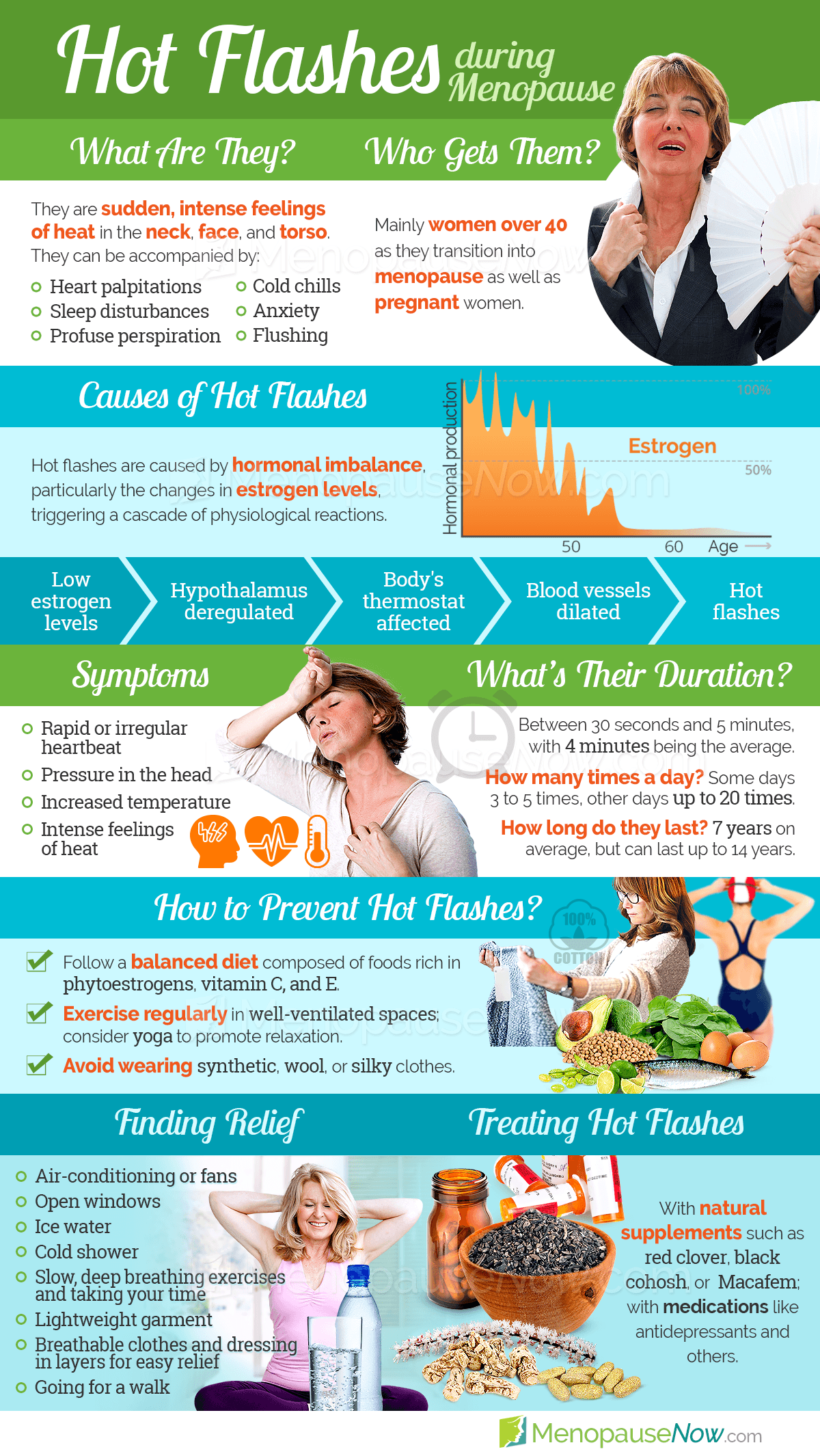
Is it just me or is it really hot in here?!  Do you ever experience moments when you feel an intense, sudden heat flush?  You look around at those around you, and they seem unaffected?  Hormone imbalances that come with perimenopause, menopause, and post menopause certainly wreak havoc on our bodies.  As if we haven’t been through enough already!!  OH!  And, thyroid issues can also cause hot flashes.  There are so many different symptoms women experience, such as fatigue, dry skin, night sweats, crankiness, itchy skin, etc., but the worst for me personally has been the hot flashes (with a side of night sweats).

Hot flashes start in my core, with an intense heat wave that immediately causes beads of sweat to break out in my scalp, hairline, face, and the dreaded boob sweat.  It’s intense, sudden, and miserable.  When it finally subsides, it leaves me wet/sweaty, which then leaves me really cold.  I’ve found that if I dress in layers (tank top under a tunic), I can peel off the top layer to minimize the heat somewhat. Sound familiar?

I definitely recommend seeing your doctor and having your levels checked.  Don’t be afraid to discuss your symptoms and any issues you’re experiencing.  They can’t help you if they don’t know!  Some doctors will offer hormone replacement therapy or some type of prescription.  All prescriptions come with side effects, and I personally prefer to deal with one issue head on rather than creating additional issues with the side effects. Discuss ALL of your options with your doctor to see what will work best for you.

There are many natural options.  The vast majority of these are, of course, in your diet.  During menopause, women’s estrogen levels decline, which can lead to hot flashes and night sweats.  Dietary sources of estrogen (also known as phytoestrogens) are naturally occurring in plant form, and may interact in a similar fashion to the estrogen that our bodies produce.  Per Healthline.com, and other various sources, some researchers are concerned that a high intake of these phytoestrogens may cause a hormonal imbalance, although most evidence has linked them to positive health effects.  In fact, there are many studies that have shown phytoestrogen intake is linked to decreased cholesterol levels, improved menopausal symptoms, and a lower risk of oseoporisis.   It seems the key here is to take the recommended daily allowance of these.

Here are some sources of phytoestrogen foods:

1. Flax Seeds:  Mixing 2 tablespoons of these in ground form into your protein shakes, yogurt, or smoothies daily is the easiest way to go here.  

2. Soybeans and edamame:  there are many different forms of these and ways to ingest them.

3. Dried fruits:  Stick with dried apricots, dates and prunes as these have the highest phytoestrogen content.

4. Sesame seeds:  Regularly eating these has been shown to increase estrogen activity in postmenopausal women!

5. Garlic:  Along with many other health benefits, the phytoestrogens found in garlic may also help reduce bone loss due to estrogen deficiency.

6. Peaches: Oh happy day, right?!

7. Berries: Specifically strawberries, cranberries, and raspberries

8. Tofu:  Any vegans out there?  This is a wonderful source of protein as well!

9. Cruciferous vegetables:  Be sure to get cauliflower, broccoli, brussel sprouts, and cabbage in your diet daily!

10. Tempeh:  This is a common meat replacement for vegetarians.

11. Vitamin E:  This is found in soybeans, sunflower seeds, nuts, seeds, and leafy green vegetables.  As most of these have already been listed above, this is even more reason to get them into your diet today!

12. Apple cider vinegar:  The raw, pure apple cider vinegar helps regulate toxins our bodies try to get rid of when we sweat (during those hot flashes and night sweats).  If symptoms are frequent and severe, mix two tablespoons of unfiltered apple cider vinegar with water or juice twice a day until they ease off.

13. Vitamin B:  Great sources of this vitamin are fish, whole grain breads, legumes, and avocados.

Another way to control these symptoms, in addition to the above-listed nutritional additions, is to manage your stress levels.  Remember, hot flashes are just one of the super annoying symptoms all stages of menopause brings.  Hot flashes, specifically, have been linked with stress and anxiety.  Women in this stage of life with high levels of stress often report more severe and more frequent attacks of hot flashes by almost FIVE TIMES.   One of the very best ways to manage stress is with exercise.  Find the form of exercise that you enjoy the most, and plug that into your daily routine.  It seems so ironic that working up a good sweat can help offset the things that cause hot flashes, that also make you sweat.  I promise you that I enjoy a good workout, and how I feel after.  I completely LOATHE every single thing about hot flashes. 

Because these hot flashes are tormenting me, I’ve done a lot of research.  I’m personally plugging these helps into my daily routine, starting today!  I’ll keep you posted on my progress.  If you try any of these and have success, please share that with me!   Good luck, friends!